 Arico Home
Mulifanua sits on the north-western coast of Upolu in Samoa, anchored by the Mulifanua Wharf — the country’s principal inter-island ferry terminal linking Upolu with Savai‘i, and the arrival point that feeds a steady stream of resort development, diaspora-funded family builds, and government-assisted housing upgrades across the north coast corridor. For cabinetry specifiers, this geography creates a very specific procurement profile: low-volume, high-customisation, sea-freight-constrained, humidity-sensitive.
That profile is why a Shaker-style cabinet that performs in a temperate showroom will not automatically perform in a Mulifanua beachfront villa. Salt-laden air, monsoon-season relative humidity peaks, and long container transit times place real demands on substrate stability, finish adhesion and joinery tolerances. Arico Home’s role as a Shaker Style Cabinets Manufacturer & Exporter serving the Mulifanua market is therefore not simply to ship boxes — it is to engineer flat-pack and semi-assembled cabinetry that arrives square, seasonally stable, and ready for local installation teams.
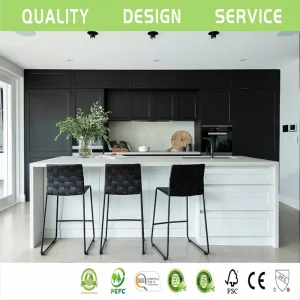
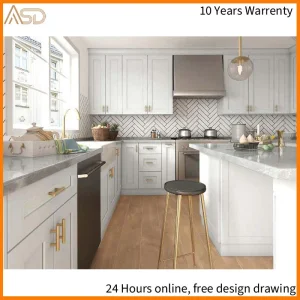
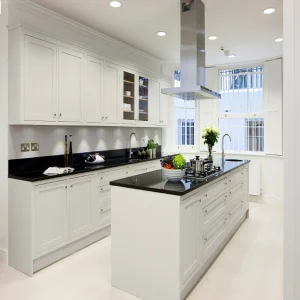
These four configurations are the most frequently specified starting points for Mulifanua residential and hospitality fit-outs — each available with humidity-tolerant substrate options, marine-grade hardware upgrades and flat-pack or semi-assembled shipping formats.
Mulifanua is not a large metropolitan furniture market — and that is precisely what makes it a technically demanding one. The local cabinetry trade is dominated by small-to-mid joinery workshops serving owner-builder families, church and community projects, and the resort belt stretching along the north-west coast toward Faleolo and Manono.
Mulifanua has no large-scale panel processing plant. Local workshops rely on imported sheet goods and hardware, which means every cabinet set is a logistics decision as much as a design decision. Container fill efficiency, flat-pack nesting, and the ability to consolidate multiple rooms into one shipment directly determine landed cost. Arico Home’s export engineering team builds each Mulifanua order around a container-loading plan before the first panel is cut.
Procurement teams sourcing from China for Pacific and Oceania markets have shifted their evaluation criteria over the last five years. Price-per-linear-metre still matters, but it is no longer the dominant variable. Based on Arico Home’s work with buyers across the Middle East, Australia, Southeast Asia and the Pacific, four expectations now define supplier selection:
Buyers want to know the exact substrate, glue class, and finish system — not a generic “solid wood” claim. E1/E0 emission documentation and CARB-compliant boards are increasingly baseline requirements.
Pre-drilled, numbered, hardware-bagged and diagrammed. Overseas buyers are unwilling to absorb the cost of local re-drilling or re-machining on a remote island site.
Mixed orders — kitchen plus wardrobe plus vanity — must nest into one container without dead space. Volume optimisation is now part of the quotation conversation.
Coastal humidity performance, salt-air hardware resistance, and finish adhesion under transit temperature cycling are now explicit specification requirements.
Buyers want their own brand on cartons, their own door profile adjustments, and their own hardware brand — without losing factory pricing.
Replacement part commitments, photo-based QC reports, and a named export coordinator replace the old “ship and forget” model.
Rather than treating a Mulifanua order as an isolated transaction, Arico Home applies a four-layer solution framework that addresses the structural problems of supplying cabinetry to remote island markets.
Every project begins with a technical drawing review: door profile selection (classic five-piece Shaker, slim-shaker, or flat-shaker), carcass thickness, hinge and runner specification, and toe-kick detailing. Our designers convert imperial site measurements into metric production drawings, flagging any dimension that would create an awkward filler or a compromised drawer stack.
For coastal Samoa, we typically recommend plywood carcasses over particleboard for structural boxes, moisture-resistant MDF for painted door faces, and either 2PAC polyurethane or PVC thermofoil finishing depending on budget and abrasion exposure. Solid wood shaker doors in maple, oak or rubberwood remain available where the design language calls for authentic grain.
Flat-pack is the default for Mulifanua shipments, but we also offer semi-assembled carcasses where local assembly labour is scarce. Each carton is labelled with room, unit code and installation sequence, and a printed + digital installation guide is included.
Commercial invoice, packing list, bill of lading, fumigation (ISPM-15) certification for any timber packaging, and certificate of origin are prepared as standard. Where buyers require it, we coordinate third-party pre-shipment inspection.
Supplying Mulifanua means accepting that the buyer’s project manager is often 8,000 km away from the factory floor, and the installation crew may be a five-person local team with limited cabinetry tooling. Our support model is built around that reality.
Note: Import duty, biosecurity clearance and local building code compliance in Samoa remain the responsibility of the importer; Arico Home supplies the documentation package required to support that clearance process.
The Shaker door aesthetic has remained remarkably stable for two centuries, but the manufacturing, finishing and logistics systems behind it are changing quickly. Here is the roadmap Arico Home is executing across 2024–2027, and what it means for Mulifanua buyers.
Expanded acceptance of laser-measured site data and 3D room scans, reducing rework caused by manual measurement drift.
Higher panel yield per sheet, which directly lowers per-unit material cost for flat-pack container orders.
Transition toward finish systems that meet tightening emission standards across Oceania and North American markets.
Sequence-based carton numbering mapped to installation order, cutting on-site sorting time in low-labour environments.
As Samoa’s resort and residential upgrade cycle accelerates, the winning suppliers will be those who can compress the gap between remote design intent and factory output. The roadmap above is deliberately focused on the two variables that matter most in island construction: measurement accuracy and installation predictability.
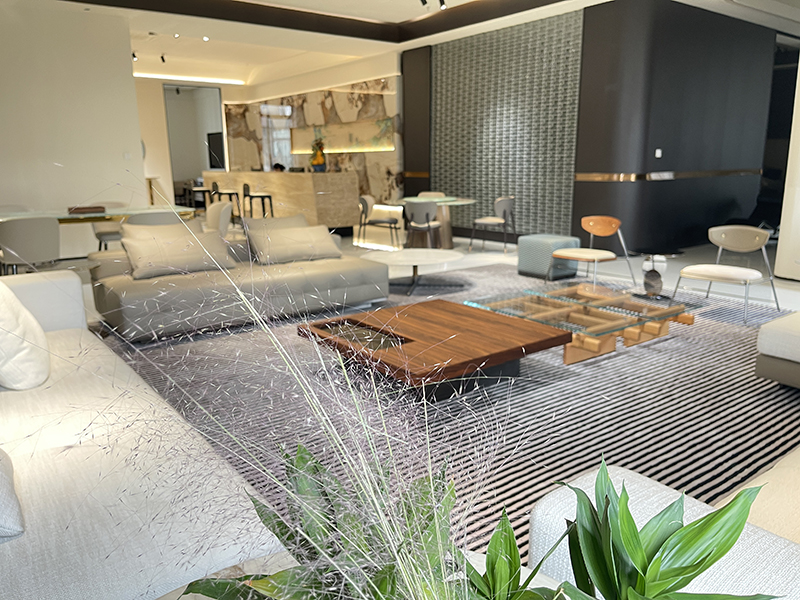
Guangdong Arico Home Co., Ltd. is headquartered in Foshan City, one of China’s leading furniture hubs. The company specialises in high-end custom furniture and soft furnishings, including a variety of wooden pieces, kitchen cabinetry, wardrobes, and more.
Since its establishment in 2009, Arico Home has been committed to transforming our clients' visions into reality. Whether our customers come to us with a detailed interior design or just an idea of their ideal living space, we work closely with them to create bespoke solutions that match their style and needs. Our team of experienced designers and craftsmen collaborate to deliver furniture that is not only functional but also adds beauty to the home.
Over the past 15 years, Arico Home has built strong, long-lasting relationships with upstream and downstream partners, allowing us to continuously innovate and improve. This network has helped us ensure that our products meet the highest standards of quality, and our customers receive exceptional after-sales service. Many of our clients have become close friends over the years, and we take great pride in the trust they place in us.
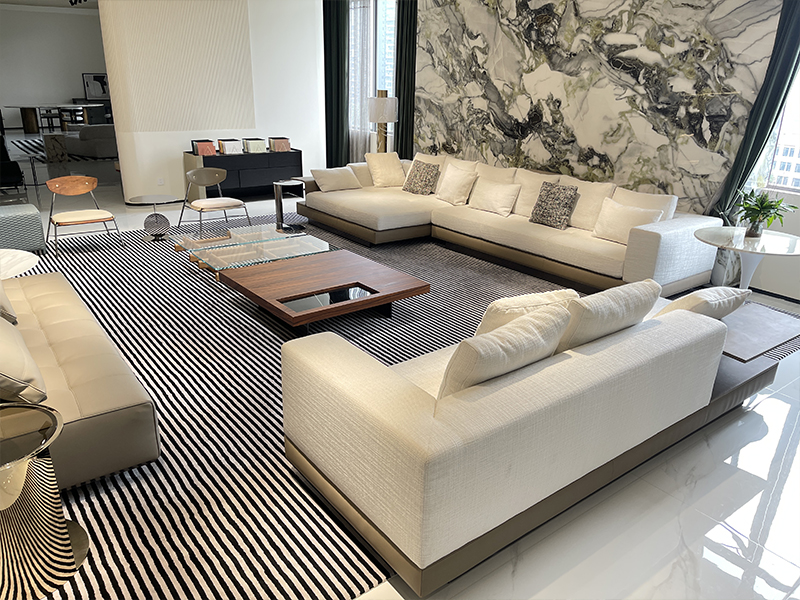
Arico Home primarily focuses on high-end residential projects, with a strong presence in the Middle East, especially in Saudi Arabia, Qatar, Jordan, and Dubai. With years of experience and a deep understanding of various interior design styles, we are well-positioned to offer expert advice and tailored solutions for our clients.
We believe that every home is unique, and our goal is to create furniture that not only serves its purpose but also enhances the aesthetic appeal of the space. From living rooms to bedrooms, kitchens to bathrooms, Arico Home is here to help design and furnish every corner of your home with precision and style.
If you’re looking for high-quality, customized furniture and design solutions, we are here to help bring your ideas to life. Contact us today and let’s work together to create the home of your dreams.
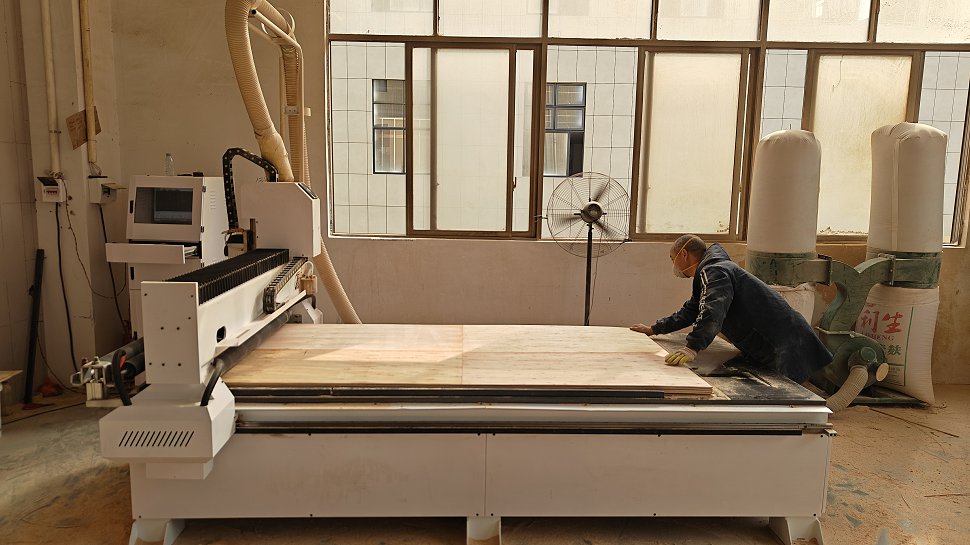
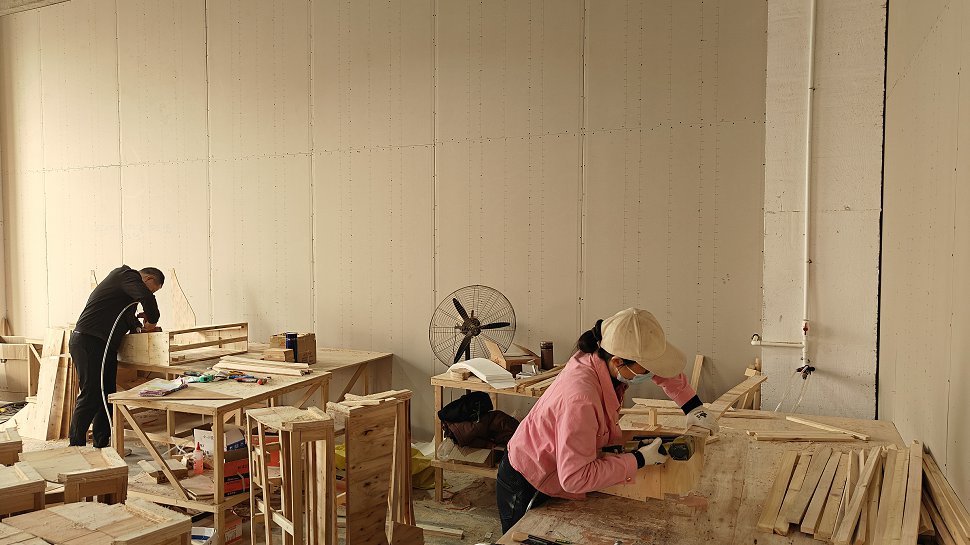
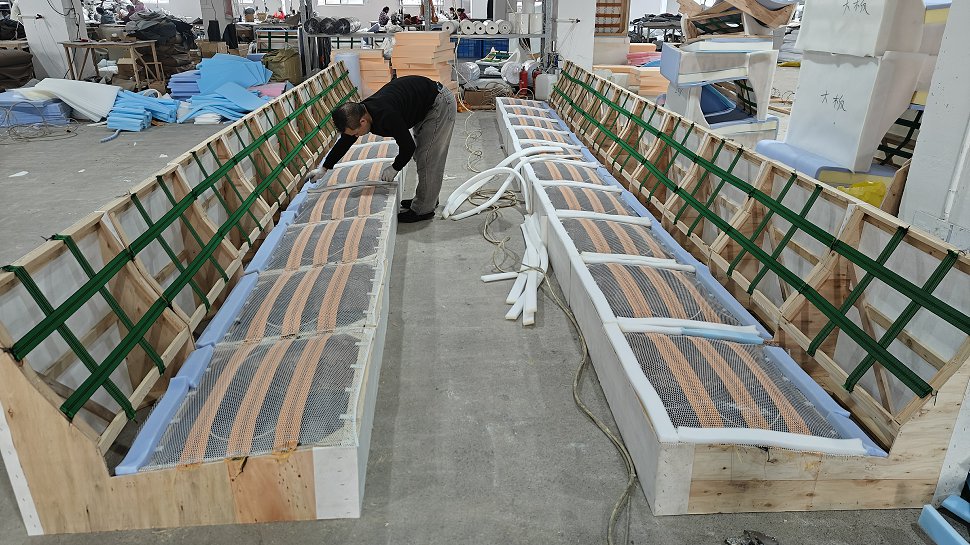
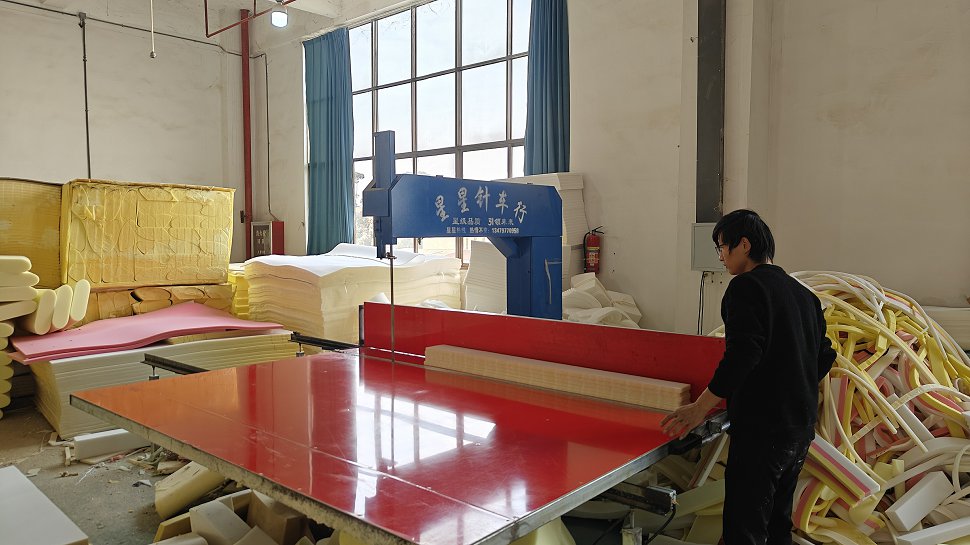
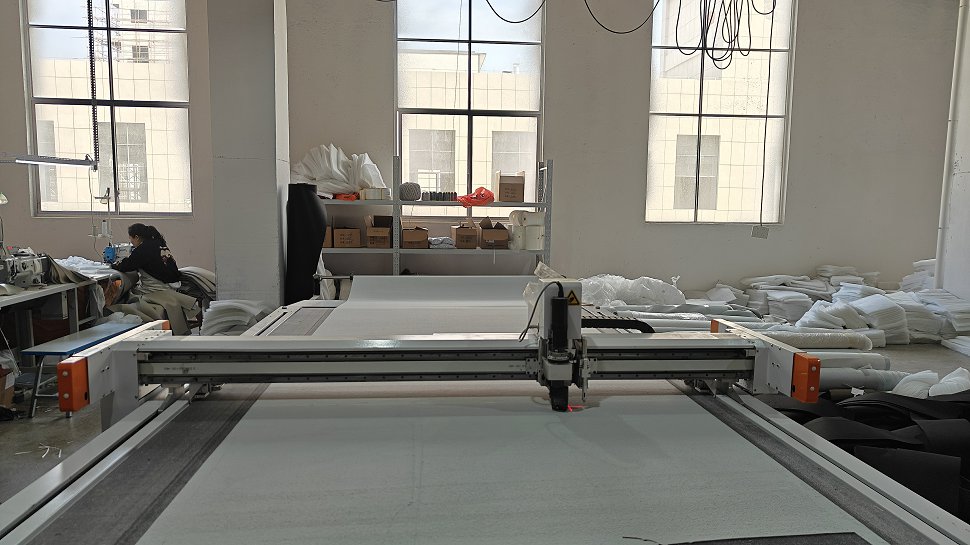
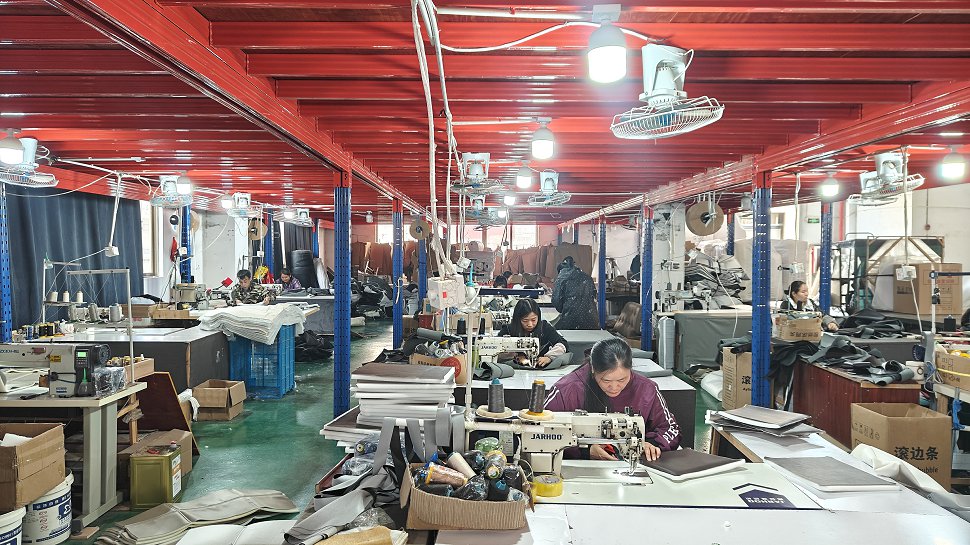
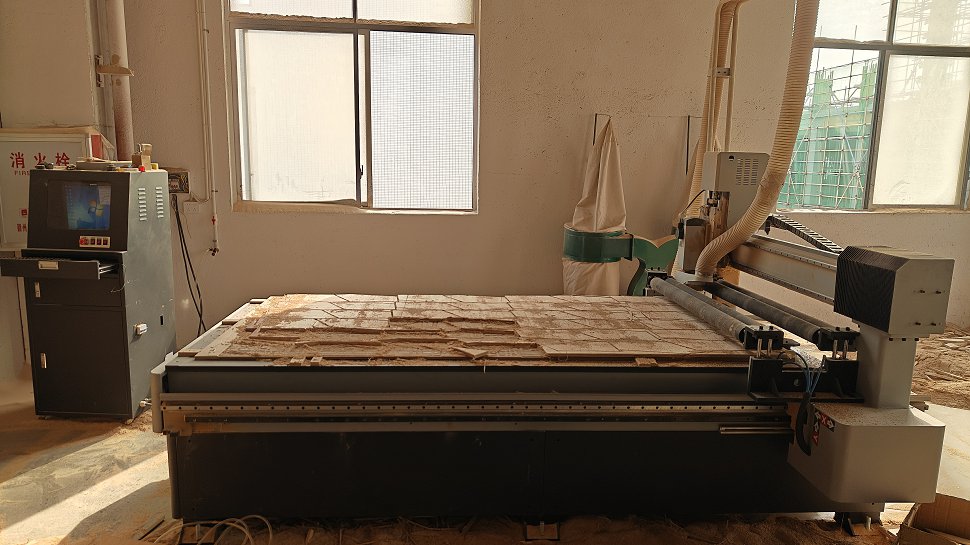
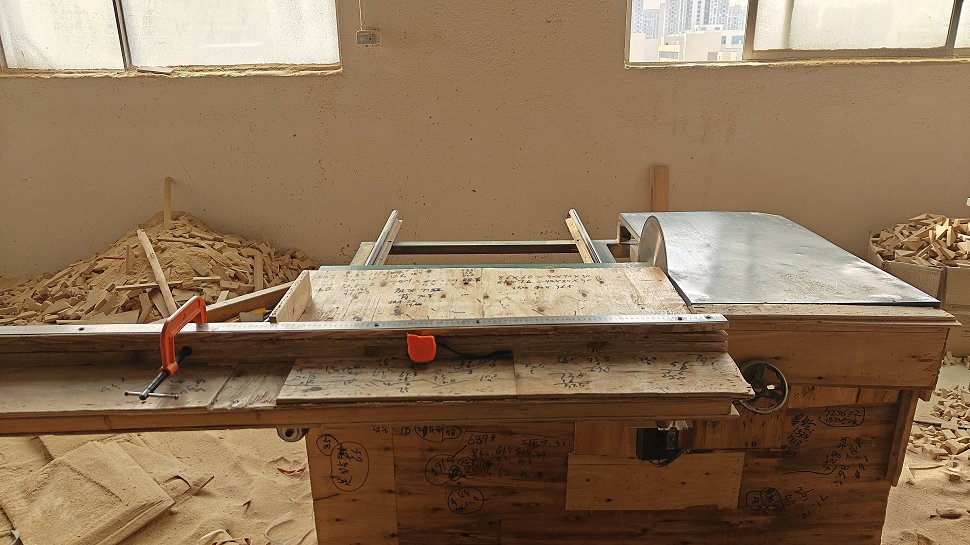
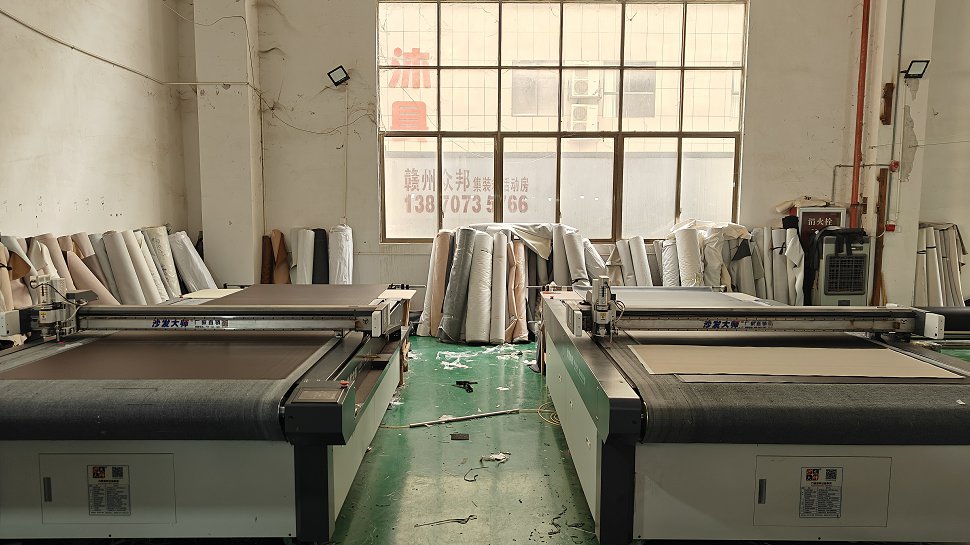
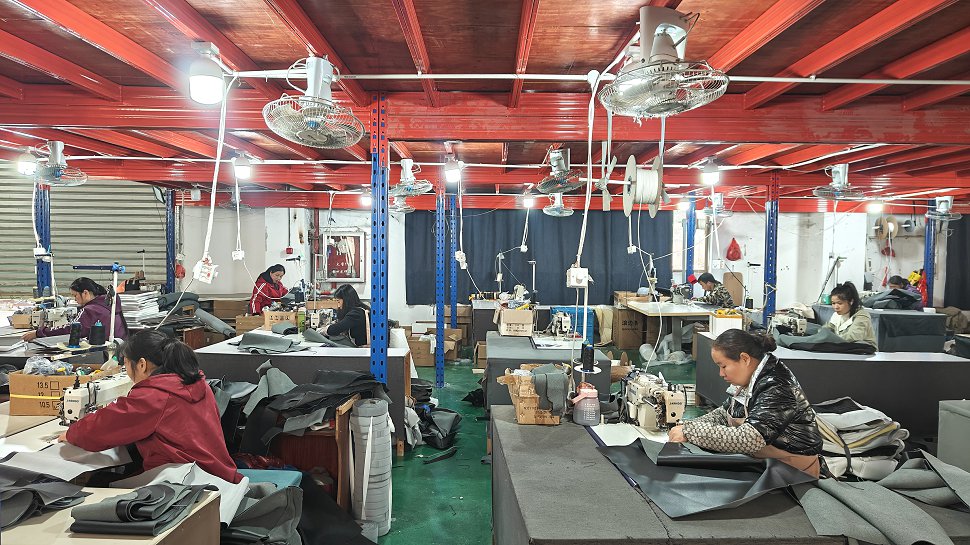
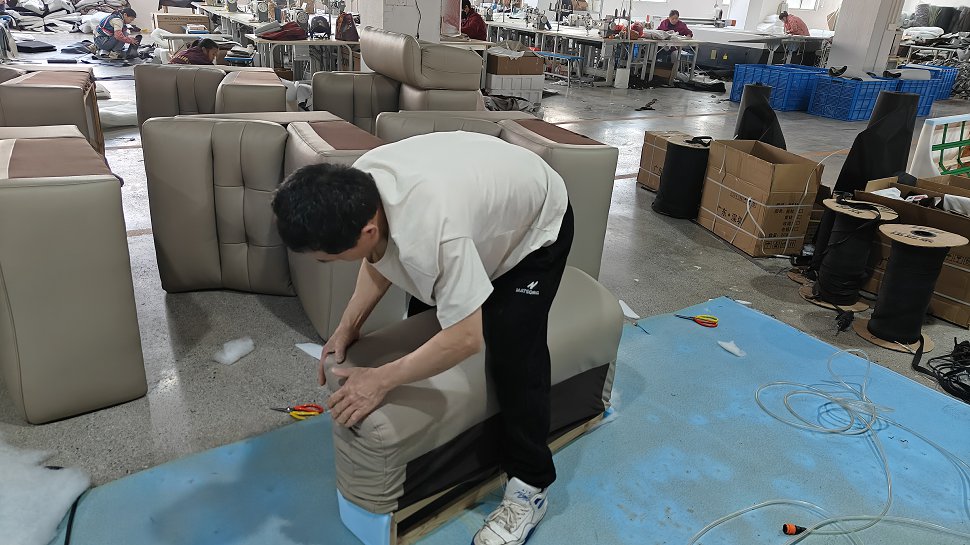
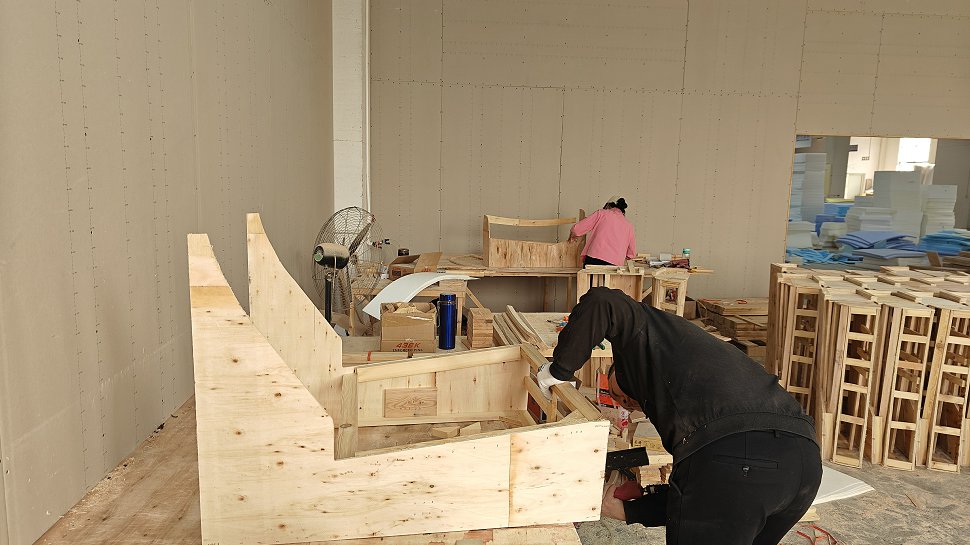
Send Inquiry NowCapacity is only meaningful when it is visible. The workshop below covers the core processes that determine whether a Shaker cabinet arrives square, flush and finish-consistent.
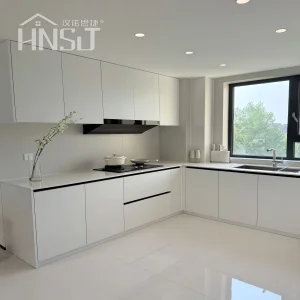
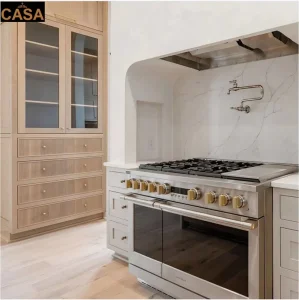
Each of the eight lines below can be specified with flat-pack export packing, humidity-tolerant substrates and consolidated container loading. Select a product to review specifications and request a project-specific quotation.
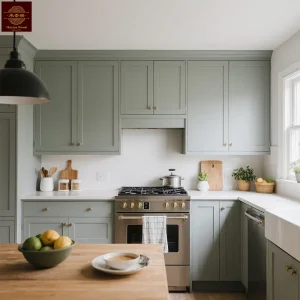
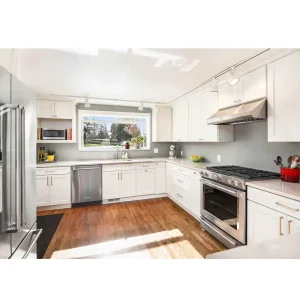
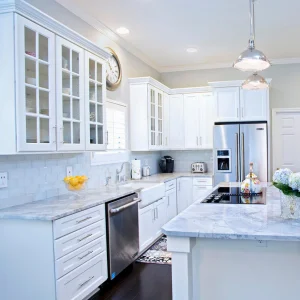
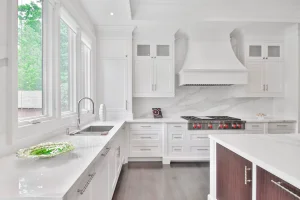
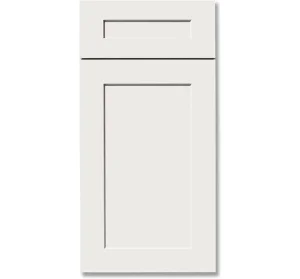
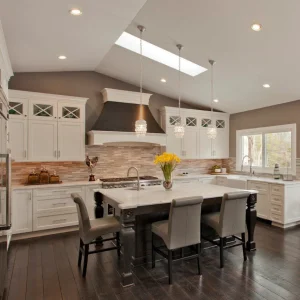
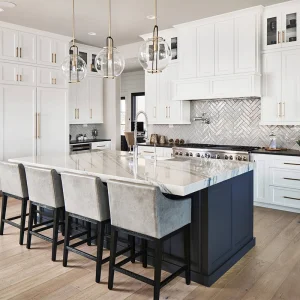
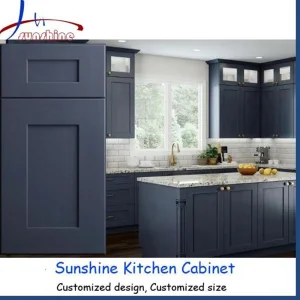
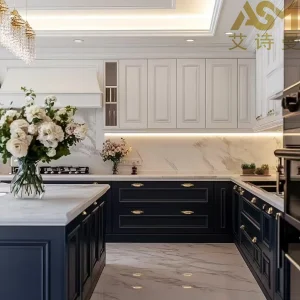
The Shaker door itself is a simple five-piece construction, but performance in coastal Samoa depends on the substrate and finish system behind it. Arico Home specifies moisture-resistant plywood carcasses, sealed edges, corrosion-resistant or stainless hardware options, and finish systems (2PAC polyurethane or PVC thermofoil) that maintain adhesion through high-humidity transit and installation. This combination is what allows a classic Shaker profile to survive a tropical marine environment.
Yes. Consolidated container loading is standard practice for Mulifanua orders. Our export team nests kitchen, wardrobe and vanity components into a single loading plan, calculates volumetric efficiency, and labels each carton by room and installation sequence so the receiving contractor can unpack in order.
Both. Flat-pack is the default for remote island markets because it maximises container utilisation and reduces freight cost per unit. Semi-assembled carcasses are available where local assembly capacity is limited. Full assembly is possible but rarely cost-effective for Mulifanua due to shipping volume.
MOQ is project-dependent. A single kitchen set is feasible, but freight economics improve significantly when a full container is consolidated across multiple rooms or multiple homes. Our team will advise on the break-even volume for your specific layout.
We work from RAL, NCS or custom colour references. For white and off-white Shaker schemes — the dominant choice for Mulifanua resort and residential interiors — we recommend confirming a physical finish sample before production, since screen colour representation is unreliable under tropical daylight.
Standard documentation includes commercial invoice, packing list, bill of lading, certificate of origin, and ISPM-15 fumigation certification for timber packaging. Third-party pre-shipment inspection can be arranged on request. Import duty and biosecurity clearance remain the importer’s responsibility.
Yes. OEM/ODM is a core capability. We can apply buyer branding to cartons and documentation, adjust door profiles and dimensions, and incorporate buyer-specified hardware brands — while retaining factory-level pricing.
Typical lead time is 30–45 days for production after drawing approval, plus ocean transit to Apia and onward transfer to Mulifanua Wharf. Exact schedules depend on order complexity, finish selection and vessel availability; your export coordinator will confirm a project timeline at quotation stage.
Send your floor plans, elevations or a simple room list. Our export engineering team will return a specification review, container loading estimate and project quotation — with no obligation.
Send Inquiry Now