Why Does My Wooden Wardrobe Smell Musty in 2026?

Time:2026-07-22 Author:Charlotte
0%

If you've noticed your wooden wardrobe smelling musty, you're not alone. "Why is my wooden wardrobe smelling musty?" is a common question among homeowners. This unpleasant odor can result from various factors related to moisture, wood conditions, or the items stored inside.

Wooden wardrobes need proper care to maintain freshness. Over time, they can absorb humidity, leading to mold or mildew growth. This can create an environment where mustiness thrives. Inspecting the space for ventilation issues is crucial.

Another aspect to consider is the type of items stored within. Fabrics, particularly if damp or soiled, can contribute to the odor. Cleaning these items and ensuring they are all dry can make a significant difference. Understanding the causes of the smell allows you to take informed steps to eliminate it, ensuring your wardrobe remains a pleasant space.
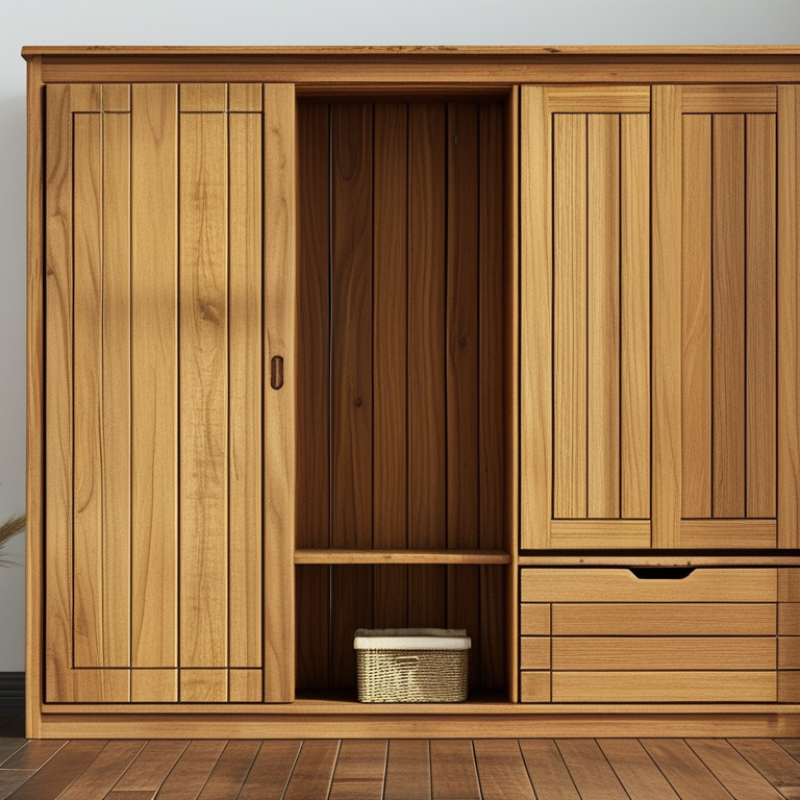
Why Does My Wooden Wardrobe Smell Musty in 2026?

Understanding Musty Odors in Wooden Wardrobes

Musty odors in wooden wardrobes can be puzzling. These smells often indicate hidden moisture. Wooden furniture is naturally porous. Over time, it can absorb humidity from the air. When this happens, mold and mildew can develop. Both of these create unpleasant smells.

To tackle this issue, it helps to inspect the wardrobe closely. Look for signs of moisture or damp spots. The presence of dust or dark patches might suggest mold growth. Air circulation is key. Make sure to keep the wardrobe slightly open. This helps reduce humidity. Using silica gel packets can also absorb excess moisture.

Addressing musty odors requires patience. You may clean the interior with vinegar or a mild soap solution. Yet, deep-seated smells might linger. Sometimes, even after cleaning, the smell doesn't vanish completely. In these cases, reflection is needed. How is the wardrobe being maintained? Regular checks can prevent future issues.

Common Causes of Musty Smells in Wooden Furniture

Wooden wardrobes are beautiful, but they can develop musty smells. These odors often come from trapped moisture. Humidity affects wooden furniture. If your wardrobe is in a damp area, it is at risk. Mold and mildew thrive in such environments. Poor ventilation only makes things worse.

To address these issues, regular maintenance is key. Ensure your wardrobe is in a dry area. Use silica gel packets to absorb moisture. You can also keep the doors slightly ajar for airflow. A small fan can help circulate air around the wardrobe.

Cleaning is essential too. Wipe down surfaces with a mixture of water and vinegar. This solution helps eliminate odor-causing bacteria. Remember, wood absorbs smells, so avoid using strong cleaning products. They might leave behind additional residues that can exacerbate the problem. Regular inspections will help you catch issues early. Keep an eye on cracks and crevices where moisture can hide.

Impact of Humidity and Temperature on Wooden Wardrobe Odors

Humidity and temperature play significant roles in the odors emanating from your wooden wardrobe. As these elements fluctuate, they can create ideal conditions for mold and mildew. Wood is porous; it absorbs moisture from the air. This absorption can lead to a damp environment inside the wardrobe. Over time, trapped moisture contributes to that musty smell.

When the humidity is high, the wooden fibers swell. This not only alters the structure of the wood but also creates a breeding ground for bacteria. These bacteria thrive in warmer, more humid conditions. If your wardrobe is in a poorly ventilated room, the smell can worsen. It’s not just the wood itself; the fabrics stored within can also trap moisture, adding to the odor.

Consider using a hygrometer to monitor humidity levels. Aim to keep indoor humidity between 30% and 50%. When conditions are too extreme, odors can linger long after you think you've eliminated them. Regular cleaning and airing out your wardrobe can help. Ensure you remove items and inspect them regularly. Even slight neglect can cause significant issues in a humid environment.

Effective Cleaning and Removal Techniques for Musty Smells

Musty odors in wooden wardrobes are common, especially in humid environments. A study by the Environmental Protection Agency indicates that 20% of indoor air quality issues are related to mold and mildew. These fungi thrive in damp areas, affecting wooden furniture. This makes effective cleaning essential to prevent musty smells.

To remove these odors, start with proper ventilation. Open doors and windows to allow air circulation. Use a mixture of water and white vinegar. Spray the solution lightly on surfaces and wipe with a soft cloth. Vinegar naturally neutralizes odors without harsh chemicals. After cleaning, place bowls of baking soda inside to absorb moisture and odors effectively.

Consider using essential oils, such as tea tree or lavender, known for their antifungal properties. However, be cautious not to overapply; this could lead to a strong scent that may be overwhelming. Regularly checking humidity levels can help maintain a fresh environment. A hygrometer can measure indoor humidity, ideally between 30-50%. Regular maintenance and adjustments can combat those stubborn musty smells, ensuring your wardrobe remains pleasant and inviting.

Why Does My Wooden Wardrobe Smell Musty in 2026? - Effective Cleaning and Removal Techniques for Musty Smells

Source of Musty Smell Cleaning Method Time Required Effectiveness
Old Fabrics Wash with vinegar 30 minutes High
Damp Wood Dry with a fan 2 hours Medium
Mold Growth Use anti-mold spray 15 minutes High
Poor Ventilation Increase airflow Immediate Variable
Moisture from Clothes Use silica gel packets Ongoing Medium

Preventive Measures to Keep Your Wooden Wardrobe Fresh

A musty smell in wooden wardrobes can be frustrating. It often comes from trapped moisture and poor ventilation. To combat this issue, take preventive measures from the start. Ensure your wardrobe is placed in a well-ventilated area. Avoid spaces that are damp or humid.

Regular cleaning is essential. Wipe down your wardrobe with a soft cloth. Use a mixture of vinegar and water for deeper cleaning. This helps eliminate odors and reduces mildew growth. Placing cedar blocks or sachets of dried lavender inside can also absorb moisture and add a pleasant aroma.

Additionally, consider the contents of your wardrobe. Avoid storing damp clothes or shoes. Always dry items completely before storing them away. Remember, prevention is better than cure. A proactive approach can keep your wardrobe smelling fresh over time.

FAQS

: What causes musty odors in wooden wardrobes?

: Musty odors usually come from hidden moisture within the wood. Mold and mildew thrive in damp areas.

How can I identify moisture in my wardrobe?

Inspect for damp spots, dust, or dark patches. These may indicate mold growth or excess humidity.

What should I do to reduce humidity in my wardrobe?

Keep the wardrobe slightly open for air circulation. Using silica gel packets can also help absorb moisture.

Can cleaning eliminate musty odors completely?

Not always. Some odors may linger even after cleaning. Reflection on maintenance is needed in such cases.

How do humidity and temperature affect wardrobe odors?

High humidity swells wood fibers and promotes bacteria. Poor ventilation worsens the smell from the wardrobe.

What humidity levels are ideal for wooden wardrobes?

Indoor humidity should ideally be between 30% and 50%. These levels help prevent musty odors.

How can I maintain my wardrobe effectively?

Regularly check for moisture, and air out items. Neglect can cause significant odor issues over time.

What cleaning solutions are effective for musty odors?

Vinegar or mild soap solutions can be useful. However, deep-seated smells might need more attention.

Can fabrics inside the wardrobe contribute to odors?

Yes, fabrics can trap moisture. They may also develop musty smells if conditions are not monitored.

What factors could worsen odors in a wardrobe?

Poor ventilation and extreme humidity conditions can exacerbate musty smells inside wooden wardrobes.

Conclusion

In the article "Why Does My Wooden Wardrobe Smell Musty in 2026?", we explore the common reasons behind musty odors in wooden wardrobes. Factors such as excessive humidity, inadequate ventilation, and the accumulation of dust and organic matter can lead to these unpleasant smells. The impact of temperature and moisture levels on wood preservation is also discussed, emphasizing the importance of maintaining a stable environment for your wardrobe.

To address the question, "Why is my wooden wardrobe smelling musty?", effective cleaning techniques such as using vinegar or specific wood cleaners can help eliminate odors. Additionally, preventive measures, including regular cleaning and ensuring proper airflow, can keep your wooden wardrobe fresh and odor-free. By understanding these aspects, you can maintain a pleasant environment for your clothing and belongings stored in wooden wardrobes.

Charlotte

Charlotte

Charlotte is a seasoned marketing professional with a deep understanding of the company's portfolio and a passion for elevating its presence in the market. With a keen eye for detail and a commitment to excellence, she ensures that our professional blog is regularly updated with insightful articles......