Wooden floors are cherished for their warmth and elegance. However, a common concern arises: "Why is my wooden floor warping?" This issue often stems from fluctuations in humidity and temperature, which can lead to structural changes in the wood. According to a report by the National Wood Flooring Association, around 80% of wood floor problems are related to moisture.
When wood absorbs excess moisture, it expands. Conversely, when it dries out, it contracts. This dynamic interaction directly influences the performance of your flooring. Moreover, improper installation can exacerbate warping issues. Research indicates that over 50% of wood flooring failures are related to inadequate acclimation before installation.
Addressing warping requires a blend of expert knowledge and practical solutions. Regular maintenance, such as using humidifiers in dry seasons, can help mitigate moisture changes. Learning to recognize early signs of warping is crucial. Setting up a routine inspection will guide homeowners in preserving the beauty and integrity of their wooden floors. With a thoughtful approach, the longevity of your flooring can be significantly enhanced.
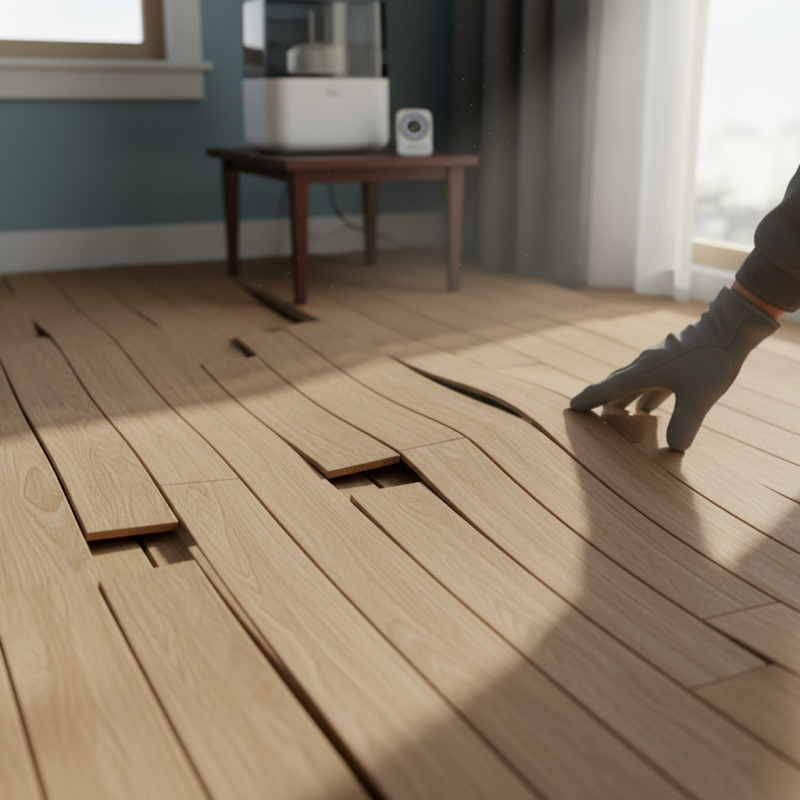
Understanding the Causes of Wooden Floor Warping
Wooden floor warping can be a frustrating issue for homeowners. It often occurs due to changes in humidity and temperature. Wood naturally expands when exposed to moisture. Conversely, dry conditions can cause it to contract. Both extremes can lead to unsightly warping.
Common causes include high humidity levels or water damage. Leaks or spills can soak into the wood. This can disrupt the floor’s structure. Additionally, inadequate ventilation may increase moisture buildup. Seasonal changes can also have an impact. Cold winters may dry out the wood, while hot summers may add humidity.
To address warping, homeowners can take preventive measures. Using a dehumidifier helps control moisture levels. Regular maintenance, such as cleaning and checking for leaks, is essential. Placing area rugs in high-traffic spots can protect the floor’s surface. If warping persists, consulting a flooring professional may provide tailored solutions. Each situation varies, and a professional can assess the specific needs of your flooring.
Wooden Floor Warping Causes and Their Frequencies
Signs Your Wooden Floor Is Warping and How to Identify Them
Wooden floors can warp for various reasons. Identifying signs early is essential to prevent further damage. One common indicator of warping is noticeable gaps between floorboards.
These gaps can be caused by dry conditions that lead to shrinking wood. You might also notice curled edges, lifting boards, or even a sagging appearance.
These changes can disrupt the smooth look of your floor.
Pay attention to changes in temperature and humidity. High moisture levels can cause boards to swell, while dry air can make them shrink. If you see bubbles or buckling, it’s a clear sign of moisture damage.
Sometimes, a creaking or popping sound accompanies warping. This can occur when the wood shifts. If you suspect warping, act quickly to inspect the environment and adjust the humidity.
Regular checks can save you from costly repairs later.
Preventative Measures to Avoid Wooden Floor Warping
Wooden floors add warmth and beauty to any home. However, they can warp due to various factors. Humidity is a major cause of this issue. High moisture levels can lead to expansion, while low levels can cause contraction. Both scenarios can result in warping over time.
To prevent wooden floor warping, monitor indoor humidity regularly. A dehumidifier can help maintain stable moisture levels. Consider using a humidifier in dry months to keep the air balanced. Ensuring your home is well-ventilated can also help. Open windows or use fans to promote airflow.
Regular maintenance is crucial. Clean spills immediately to prevent moisture absorption. Inspect your floors for signs of damage regularly. This habitual check can help catch potential issues early. Remember that prevention is often less costly than repairs. Small actions today can lead to big savings tomorrow.
Step-by-Step Guide to Fixing Warped Wooden Floors
Warped wooden floors can be frustrating. They often result from moisture exposure, temperature changes, or improper installation. Identifying the cause is crucial before fixing the issue.
To begin, assess the extent of the warping. If only a few boards are affected, you may be able to replace them. If the entire floor is warped, more extensive repairs might be necessary. Remove any furniture from the area. This will help you see the problem clearly. Next, check for signs of water damage. Use a dehumidifier if the air is too humid.
Tips: Always keep your indoor humidity between 30% and 50%. This helps prevent further warping.
For minor warps, consider using weights to flatten the boards. Place weights on the warped areas for a few days. For larger issues, you might need to sand the warped sections. It’s a labor-intensive task but often necessary. Watch for dust accumulation, which can affect air quality.
Make sure to refinish the sanded areas to protect them from moisture. Regularly inspect your wooden floors. Early detection can save money and effort. Proper care will maintain your floor's beauty and integrity for years.
Why is My Wooden Floor Warping and How to Fix It? - Step-by-Step Guide to Fixing Warped Wooden Floors
| Reason for Warping |
Indicators |
Step to Fix |
Estimated Time |
| Excess Moisture |
Buckling, cupping |
Use a dehumidifier to reduce moisture. |
1-2 days |
| Improper Installation |
Gaps, uneven spacing |
Reinstall the affected boards correctly. |
2-3 hours per board |
| Temperature Fluctuations |
Cupping, warping |
Maintain consistent temperature and humidity levels. |
Ongoing |
| Poor Maintenance |
Scratches, visible damage |
Regularly clean and apply protective finishes. |
Ongoing |
When to Call a Professional for Wooden Floor Issues
Wooden floors, while beautiful, can suffer from warping due to moisture and temperature changes. Understanding when to seek professional help is crucial. According to the National Wood Flooring Association, around 40% of wooden floor problems arise from poor installation or environmental factors. If you notice significant warping, cracks, or separation, it's essential to assess the situation carefully.
Calling a professional is advisable when warping affects multiple areas or if the damage is extensive. The cost of repairing extensive water damage can range from $1,000 to $5,000. Industry experts recommend consulting with a certified flooring contractor if the warping continues after adjusting your home’s humidity levels.
Tips: Regularly monitor home humidity levels. Aim for 30-50% humidity. Use a hygrometer to check conditions. If you suspect subfloor issues, contact a professional to evaluate the situation. They can identify hidden problems that may lead to further damage. Don't hesitate to act; timely intervention can save you money and preserve your flooring.
FAQS
: Look for noticeable gaps between floorboards, curled edges, and lifting boards. A sagging appearance also indicates warping.
High moisture can cause boards to swell. Low humidity leads to shrinking. Both conditions can lead to warping.
These are signs of moisture damage. Inspect your environment and adjust the humidity quickly to prevent further issues.
Regularly monitor indoor humidity. Use a dehumidifier or humidifier as needed. Ensure good ventilation to balance moisture levels.
Regular maintenance helps catch potential issues early. Clean spills immediately and inspect your floors for damage to avoid costly repairs.
You may only need to replace the affected boards. Assess the damage before deciding on repairs to save time and effort.
Place weights on the warped areas for a few days. This can help flatten the boards without extensive repairs.
For larger issues, consider sanding the warped sections. This task takes effort but may be necessary for restoring your floor.
Keep humidity between 30% and 50%. This range helps maintain your wooden floors and prevent warping over time.
Neglect can lead to more significant damage and costly repairs. Early detection and care are key to preserving floor integrity.
Conclusion
Wooden floors can warp for various reasons, leading homeowners to wonder, "Why is my wooden floor warping?" Common causes include fluctuating humidity levels, water damage, or improper installation. Recognizing the signs of warping—such as gaps between planks, cupping, or crowning—is crucial for early intervention.
To prevent future warping, maintain stable humidity levels and ensure proper ventilation. If warping occurs, a step-by-step guide is essential for fixing the issue, such as drying out excess moisture and releveling the floor. However, if the damage is extensive or complex, knowing when to call a professional can save time and ensure a proper resolution to your wooden floor issues.

 Arico Home