 Arico Home
Why Is My Wooden Floor Warping Causes and Fixes?
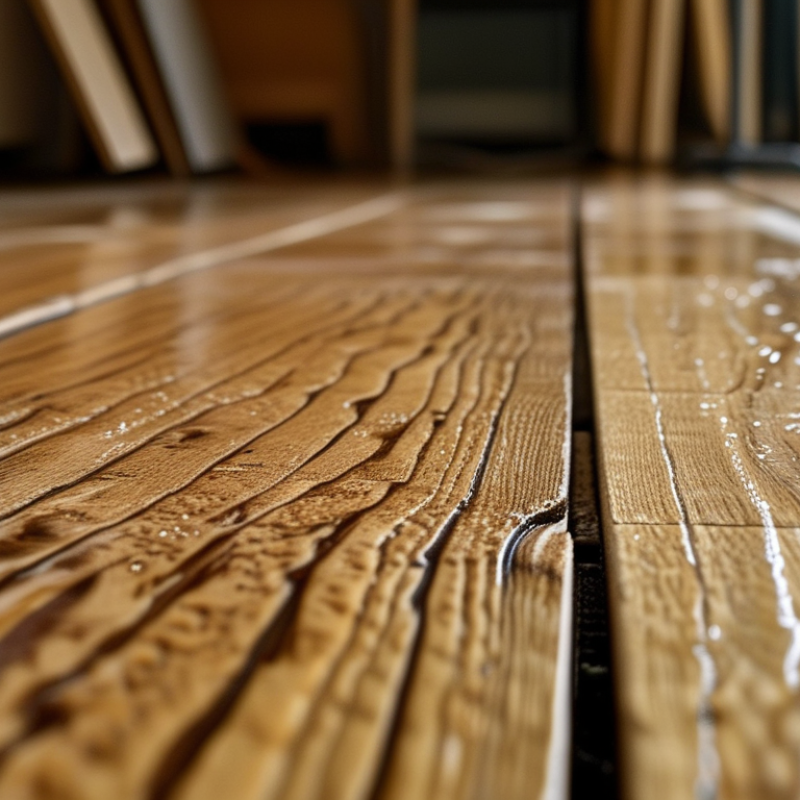
Moisture is usually the main cause of warped wooden flooring. Spills, plumbing leaks, damp subfloors, and closed rooms can raise moisture levels quickly. The USDA Forest Products Laboratory’s Wood Handbook explains that wood absorbs and releases moisture according to surrounding air conditions. This movement can create cupping, crowning, or gaps between boards. A practical inspection should check the floor, subfloor, nearby walls, and plumbing. Fixing only the visible boards may leave the real problem untouched.
Control indoor humidity throughout the year. The National Wood Flooring Association recommends maintaining relative humidity between 30% and 50%, with indoor temperatures from 60°F to 80°F. Use a hygrometer near the floor, not only beside a window. Run exhaust fans after showers and cooking. Repair leaks immediately. Keep potted plants on waterproof trays. Small details matter.
Before installation, allow flooring materials to acclimate according to the manufacturer’s moisture guidance. A moisture meter should test both the wood and subfloor. Concrete may look dry while still releasing vapor. Use an approved moisture barrier where conditions require one. Leave expansion gaps around walls, cabinets, and door frames. They are easy to hide with trim.
Do not rush repairs.
Mild cupping may improve after moisture control, but severe warping often needs professional assessment. Sanding too early can flatten the surface temporarily and worsen the damage later. I would also recheck humidity readings after several weeks, because one comfortable day proves very little.
