Why do Wooden Cabinets Expand and Contract with Temperature Changes?

Time:2026-05-31 Author:Liam
0%

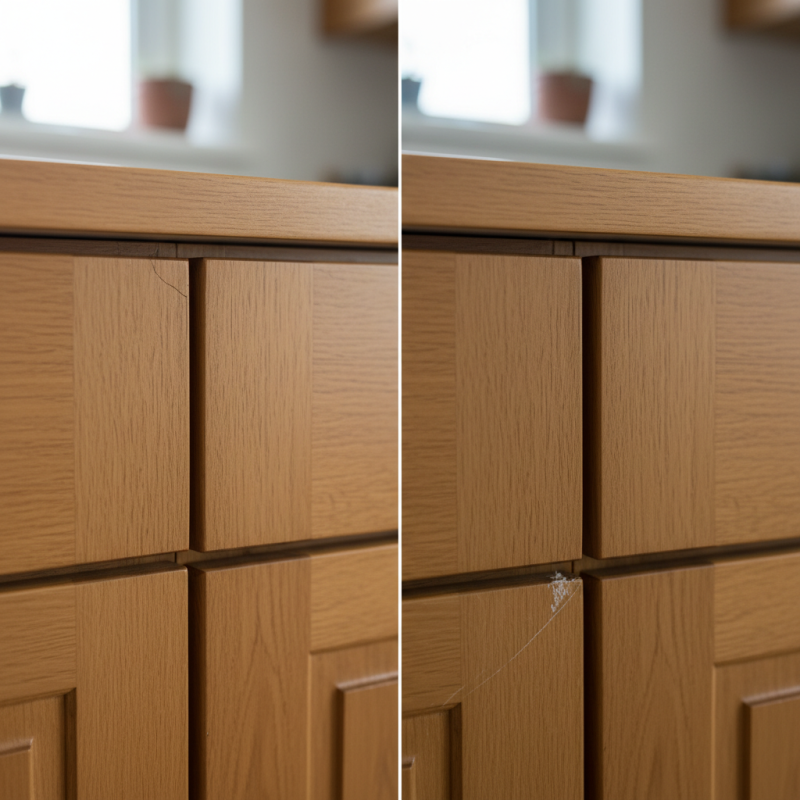
Understanding why wooden cabinets expand and contract with temperature changes is crucial for homeowners and carpenters alike. Dr. Emily Carter, a leading expert in wood science, emphasizes, “The natural properties of wood make it responsive to environmental changes.” This phenomenon can lead to issues like gaps, misaligned doors, or peeling finishes.

Temperature and humidity levels fluctuate throughout the year. These changes affect the wood’s moisture content. Consequently, wood fibers expand when moist and contract when dry. Imagine a warm summer day—your beautiful oak cabinets might seem slightly swollen. Fast forward to winter, and they could appear tighter than ever. The visual cues can be alarming, yet they are part of wood's inherent nature. Such a cycle raises questions about maintenance and care.

Kitchen renovations often overlook this aspect of wood. Homeowners may choose wooden cabinets without understanding their behavior. A solid foundation of knowledge is needed. Developing a keen awareness of why wooden cabinets expand and contract can save time and frustration in the long run. It's essential to expect the unexpected with wood.
Why do Wooden Cabinets Expand and Contract with Temperature Changes?

Understanding Wood as a Natural Material

Wood is a natural material that behaves differently than synthetic substances. It reacts to temperature and humidity changes. When the temperature rises, wood absorbs moisture and swells. Conversely, in cold conditions, wood dries out and contracts. This cycle can sometimes cause problems in wooden cabinets.

Understanding how this expansion and contraction works is essential for maintaining wooden furniture. For example, cracks can form if the wood shrinks too quickly. Warping can occur if the wood expands unevenly. This highlights the importance of climate control in spaces where wooden cabinets are used.

Tips: Keep your home at a stable temperature. Use a dehumidifier to reduce moisture. Regularly check for any signs of warping or cracking in your cabinets. Being aware of these factors can help you preserve the beauty and function of your wooden cabinets for years to come.

The Science of Wood's Response to Temperature Changes

Wood is a fascinating material that responds dynamically to temperature changes. As temperatures rise, wood absorbs moisture from the air. This absorption causes the fibers within the wood to expand. Conversely, when temperatures drop, wood releases moisture, leading to contraction. This natural process can lead to noticeable changes in wooden cabinets over time.

Understanding how wood behaves can help in caring for your cabinets. For instance, maintaining a consistent indoor temperature can minimize these expansions and contractions. Install a humidifier during dry months to maintain moisture balance. Alternatively, a dehumidifier can help prevent excess moisture during humid months. Small adjustments can make a significant difference.

Tip: Regularly check the hinges and joints of your cabinets. If they seem loose, this could be a sign of expansion. Tightening them may prevent further damage. Also, avoid placing your cabinets in direct sunlight, as the heat can accelerate expansion and warping. Keep the environment stable for your wooden cabinets.

Factors Influencing the Expansion and Contraction of Wooden Cabinets

Wooden cabinets are beautiful additions to any home, but they can be influenced by temperature changes. When temperatures rise or fall, wood naturally expands or contracts. This phenomenon is often due to changes in humidity levels in the environment. A study from the Forest Products Laboratory reveals that wood can expand by up to 1.5 times its original width depending on the moisture content.

Factors influencing this expansion and contraction include the type of wood used, moisture levels, and seasonal changes. Hardwoods tend to be more stable than softwoods, making them less prone to significant changes. High relative humidity can lead to swollen cabinetry, while dryer conditions can cause shrinkage. Environmental humidity and temperature fluctuations can create a challenging environment for wooden cabinets.

Acclimatization is an essential step in cabinet installations. Wood needs time to adjust to its new environment. Failing to consider these factors may lead to warping or cracks. Homeowners should maintain consistent humidity levels between 30% and 50% for optimal wood health. Understanding the underlying processes can help ensure the longevity of wooden cabinets. It's crucial to monitor and adapt to environmental conditions regularly.

The Role of Humidity in Wood Movement

Wood movement is a natural response to environmental factors, particularly humidity. When wood absorbs moisture from the air, it expands. Conversely, when it loses moisture, it contracts. This behavior can lead to noticeable changes in wooden cabinets. According to the Wood Products Council, wood can swell up to 1% for every 4% increase in moisture content. This means that variations in humidity can significantly affect how your cabinets fit and function.

Humidity often fluctuates with seasons. For example, in winter, indoor air can become dry due to heating systems. This reduced moisture can cause wooden cabinets to shrink, creating gaps. Conversely, high humidity during summer months can lead to swelling. Such movements can weaken joints. Standard moisture levels for wood range from 6% to 8%. Maintaining a stable environment is crucial for minimizing these issues.

Space ventilation is essential for wooden furniture. Proper air circulation helps balance humidity levels. However, not all home environments allow for this. Using a dehumidifier during muggy months or a humidifier in dry seasons can help. Regular maintenance is also key. Homeowners should periodically check for signs of warping or cracking. These issues can be early warnings of moisture imbalance. Addressing them promptly can prolong the lifespan of wooden cabinets.

Impact of Humidity on Wooden Cabinet Dimensions

This bar chart illustrates the relationship between humidity levels and the expansion or contraction of wooden cabinets. As humidity increases, the dimensions of wood change, leading to potential issues in cabinetry.

Preventive Measures to Minimize Wood Movement in Cabinets

Wooden cabinets are prone to expand and contract due to changes in temperature and humidity. The wood fibers absorb moisture, causing them to swell in high humidity. In drier conditions, the fibers release moisture, leading to shrinkage. This natural movement can create gaps and warping, affecting the cabinet's appearance and functionality.

To minimize wood movement, consider controlling the environment. Use dehumidifiers in humid areas. Maintain a consistent temperature to avoid drastic changes. Avoid placing cabinets near heat sources like stoves or radiators, which can cause uneven heating.

**Tips:** Seal the wood with a quality finish to protect it. This prevents moisture intrusion and can reduce fluctuations. Regularly check the seals and joints; if they wear, they need replacement. Keep an eye on the humidity levels. A hygrometer can help monitor this effectively.

Why do Wooden Cabinets Expand and Contract with Temperature Changes? - Preventive Measures to Minimize Wood Movement in Cabinets

Factor Impact on Wood Movement Preventive Measure
Humidity Levels High humidity can cause wood to absorb moisture, leading to expansion. Use dehumidifiers, ensure good ventilation.
Temperature Fluctuations Rapid temperature changes can cause wood to expand or contract. Maintain a consistent indoor temperature.
Wood Type Different woods have varied expansion rates. Choose stable hardwoods for cabinetry.
Finish and Treatment Finishes can create a moisture barrier affecting expansion. Apply quality finishes that prevent moisture absorption.
Installation Method Poor installation can lead to stress points that exacerbate movement. Ensure proper installation techniques are followed.

FAQS

: How does wood react to temperature changes?

: Wood absorbs moisture when temperatures rise, causing it to swell. It releases moisture when temperatures drop, leading to contraction.

What problems can arise from improper temperature control?

Rapid shrinking can cause cracks, while uneven expansion can lead to warping in wooden cabinets.

What is the ideal humidity level for wooden cabinets?

The optimal humidity level for wood health is between 30% and 50%.

Why is acclimatization important for wood?

Acclimatization allows wood to adjust to its environment, reducing the risk of warping and cracks after installation.

How can I prevent wood from expanding too much?

Maintain a stable indoor temperature and use humidifiers or dehumidifiers to control moisture levels.

What should I check regularly on my wooden cabinets?

Regularly inspect hinges and joints for looseness, as this may indicate wood expansion.

What happens if wooden cabinets are placed in direct sunlight?

Direct sunlight can accelerate the expansion and warping of wooden cabinets, leading to damage over time.

Can wood types affect how cabinets behave?

Yes, hardwoods are generally more stable than softwoods, making them less susceptible to significant changes.

How does humidity impact wooden cabinets?

High humidity can swollen cabinets, while dry conditions may cause shrinkage, affecting their appearance and function.

What minor adjustments can help wooden furniture?

Small changes, like tightening loose joints or adjusting humidity levels, can significantly improve cabinet longevity.

Conclusion

Wooden cabinets are susceptible to expansion and contraction due to temperature fluctuations, a phenomenon that can be attributed to the natural properties of wood. Understanding wood as a natural material reveals that its cellular structure responds variably to changes in temperature and humidity. When temperatures rise, wood fibers absorb moisture, causing them to swell, while cooler conditions lead to moisture loss and shrinkage.

Several factors influence this movement, including the type of wood, the design of the cabinet, and the environment in which it is placed. Humidity plays a critical role as well; higher humidity causes greater expansion while lower humidity leads to contraction. To combat these effects and maintain the integrity of wooden cabinets, it is essential to implement preventive measures such as controlling indoor humidity levels and ensuring proper ventilation. Ultimately, answering the question "Why do wooden cabinets expand and contract?" involves considering both environmental influences and the intrinsic properties of wood itself.

Liam

Liam

Liam is a dedicated marketing professional with a profound expertise in the industry, where he excels at highlighting the unique advantages of our core products. With a keen understanding of market trends and consumer needs, Liam frequently updates our company’s professional blog, providing......