Top 10 Reasons Why Lighting Is Important Inside a Wardrobe?

Time:2026-10-28 Author:Ethan
0%

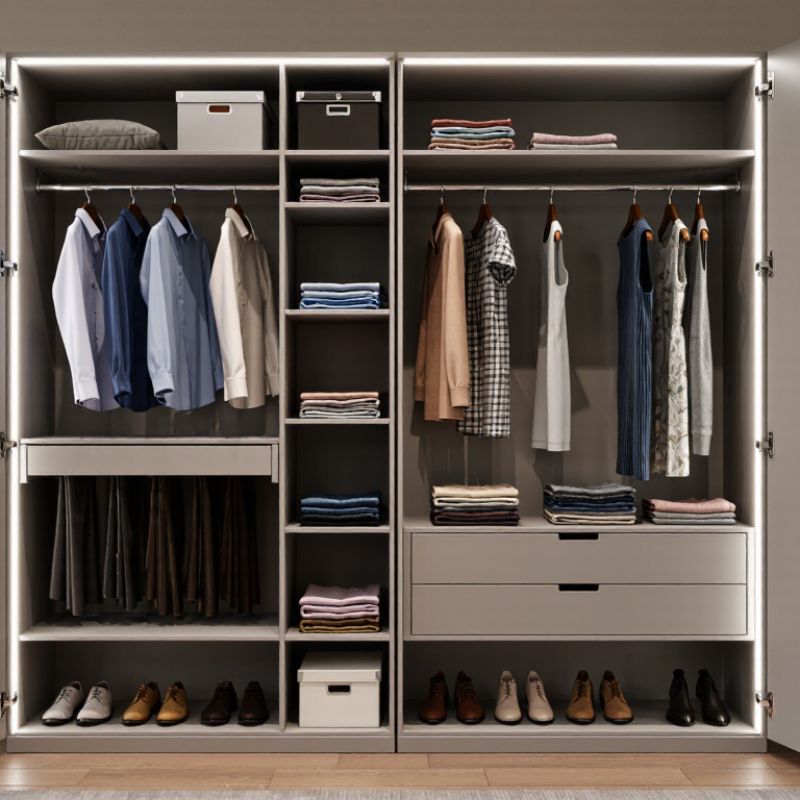
Why is lighting important inside a wardrobe? The answer reaches beyond appearance. Good lighting helps you identify clothing colors, match outfits, and find small accessories without disturbing the room’s calm atmosphere. A soft LED strip can illuminate dark corners, while sensor lighting can switch on when the door opens. Small details matter.

In practical wardrobe planning, lighting also supports safer movement and better organization. Clear visibility can reduce rushed searching, especially early in the morning or late at night. It may help reveal loose buttons, stains, or damaged fabrics before you leave home. However, brightness alone is not the goal. Poorly positioned lights can create glare, harsh shadows, or unnecessary heat near delicate garments.

Professional installers usually consider color accuracy, low heat output, cable protection, and easy maintenance. They also follow product instructions and local electrical requirements. Warm white light may create a comfortable atmosphere, while a more neutral tone can show colors more accurately. The right choice depends on the wardrobe’s size, finish, and daily use.

Not every wardrobe needs expensive automation. Sometimes, a carefully placed light is enough. Still, planning is often overlooked. This guide explores ten practical reasons wardrobe lighting deserves attention, from convenience and visibility to design value and energy-conscious operation. Some benefits may seem obvious; others become clear only after living with a poorly lit wardrobe.
Top 10 Reasons Why Lighting Is Important Inside a Wardrobe?

How Wardrobe Lighting Improves Visibility and Clothing Selection

A well-lit wardrobe makes clothing selection faster and more accurate. Even good storage becomes frustrating when shirts hide in deep shadows. Soft, evenly distributed light reveals colours, textures, and small details near the back wall. This matters when choosing between navy and black garments. It also helps you notice stains, loose threads, or missing buttons before leaving home.

Light direction is important. Vertical strips beside hanging clothes reduce shadows across fabric, while overhead lighting brightens shelves and drawers. A colour rendering index above 90 can show clothing colours more naturally, although room finishes may still affect appearance. Neutral white light, around 3500–4000K, often supports clear daytime selection. Warmer light feels comfortable, but it can make colours appear less reliable. That trade-off deserves attention.

Tips: Place switches or sensors where the door opens naturally. Use dimming controls for early mornings and late nights. Avoid intense glare on mirrors or glossy doors. Keep wiring protected and have electrical work checked by a qualified professional. Test lights with real clothing before final installation. A sample can look perfect in an empty wardrobe, then disappoint when shelves and garments block the beam. I have found that small gaps between light sources often remain unnoticed at first. Reflection is useful here: lighting should serve the clothes, not merely decorate the cabinet.

How Proper Illumination Helps Organize Clothes and Accessories

Top 10 Reasons Why Lighting Is Important Inside a Wardrobe?

Proper wardrobe lighting does more than make shelves look attractive. It helps you identify colors, textures, and clothing details before you get dressed. In my experience, a bright, evenly lit wardrobe reduces the time spent searching for missing socks or matching belts. It also protects daily-use items from careless handling. Soft, neutral light usually shows fabric colors more accurately than harsh blue lighting. High color-rendering performance matters here. You want navy to look navy.

Good illumination supports practical organization. Light strips under shelves reveal folded shirts, while vertical lights expose jackets hanging at the back. Separate lighting zones can distinguish shoes, bags, jewelry, and seasonal clothing. Motion sensors are useful when your hands are full. Adjustable brightness also helps during early mornings or late nights. Keep the light source away from direct eye level. Glare can make a well-designed wardrobe uncomfortable.

Small mistakes still happen. I once placed a light too close to a glossy cabinet, and its reflection became distracting. A trial installation would have prevented that problem.

Ventilation and safe electrical installation also deserve attention, especially in enclosed furniture. Warm light may feel inviting, but it can distort some colors. Cool light may improve visibility, yet it can feel overly sharp.

The best choice depends on the room, materials, and your dressing habits. Leave enough space around hanging clothes so shadows do not hide sleeves, pockets, or accessories.

How Wardrobe Lighting Protects Fabrics and Supports Color Accuracy

Top 10 Reasons Why Lighting Is Important Inside a Wardrobe?

Wardrobe lighting does more than make clothing easier to find. It can help protect fabrics from unnecessary fading, especially when the wardrobe is near a sunny window. Strong ultraviolet exposure may weaken dyes and gradually dull delicate materials. Excessive heat can also accelerate fabric aging. Low-heat lighting, paired with doors or drawers that block daylight, creates a gentler storage environment.

Color accuracy matters during everyday decisions. Under very warm lighting, a navy shirt may look black. A white blouse can appear yellow. Neutral lighting, often around 3500K to 4000K, usually gives a more balanced view of clothing colors. Choose fixtures with a high color rendering rating, preferably above 90 when accurate matching matters. Check the actual garment, not only the product label.

Small details make a difference. Motion sensors can reduce operating time and limit repeated exposure. Diffused light prevents harsh highlights on silk, satin, and glossy accessories. Place light near the front edge, rather than deep behind hanging clothes. No lighting system is perfect. Even excellent LEDs can distort certain shades, and personal vision varies. I once trusted a warm closet lamp and paired two blacks that looked identical indoors, but noticeably different outside. Daylight remains a useful second check.

How Integrated Lights Improve Safety, Accessibility, and Daily Convenience

Integrated lighting turns a wardrobe from a dark storage box into a safer daily workspace. Poor visibility can hide loose hangers, sharp accessories, or shoes on the floor. The U.S. Department of Energy reports that LED lighting uses at least 75% less energy than incandescent lighting. LEDs also last up to 25 times longer, reducing replacement work in difficult-to-reach cabinets.

Accessibility matters too. The World Health Organization’s World Report on Vision states that at least 2.2 billion people live with some form of vision impairment. Even mild visual difficulty can make similar clothing colors, labels, and small fasteners harder to identify. Soft, evenly distributed lights help users read details without leaning into dark corners. High color rendering also supports more accurate color selection, although technical ratings alone cannot guarantee comfort.

Daily convenience improves through practical control. Door sensors, touch switches, and adjustable brightness can provide light exactly when needed. IES guidance stresses balanced illumination and glare control, not brightness alone. In real installations, poorly positioned strips may shine directly into the eyes or create shadows behind shelves. No lighting plan is perfect. A small test with winter clothing, folded fabrics, and evening use often reveals problems that drawings miss. Thoughtful placement, concealed wiring, and low-heat LED modules make the wardrobe easier to use, safer to inspect, and less wasteful over time.

Top 10 Reasons Why Lighting Is Important Inside a Wardrobe? - How Integrated Lights Improve Safety, Accessibility, and Daily Convenience

No. Key Reason Safety and Accessibility Benefit Daily Convenience Recommended Integrated Lighting Feature
1 Improves visibility in dark areas Illuminates corners, lower compartments, and deep shelves that may remain difficult to see under general room lighting. Makes it easier to locate clothing, shoes, bags, and accessories without using a handheld light. Linear LED strips or recessed LED modules installed along shelves and side panels.
2 Reduces trip and impact hazards Better visibility helps users identify items on the floor, protruding storage boxes, and open drawers before moving around the wardrobe. Supports safer dressing areas, especially in bedrooms with limited ambient lighting. Even, low-glare lighting directed toward the wardrobe floor and storage zones.
3 Makes color matching more accurate Adequate light helps users distinguish between similar shades and identify patterns, textures, and stains more clearly. Simplifies outfit selection and reduces the need to carry garments to a window or brighter room. High color-rendering LED light, preferably with a color rendering index suitable for clothing selection.
4 Improves access for children and older adults Clear illumination supports people who may have reduced vision or difficulty identifying items in shadowed spaces. Helps users select and return garments independently with less reliance on assistance. Motion-activated or door-activated lighting with simple, automatic operation.
5 Helps users find small accessories Focused lighting makes small objects such as belts, jewelry, ties, scarves, and socks easier to identify. Reduces searching time and prevents small items from being overlooked in drawers or organizers. Drawer lighting, shelf spotlights, or vertical LED strips for compartmentalized storage.
6 Supports safer nighttime use Low-level illumination can reduce the need to switch on bright room lighting, helping users move around without sudden glare. Useful when selecting clothing or accessing storage while another person is sleeping. Soft, warm-white illumination with dimming or presence detection.
7 Reduces unnecessary handling of clothes Seeing items clearly allows users to identify the correct garment before removing multiple pieces from a shelf or rail. Helps keep folded clothing organized and reduces wrinkles caused by repeated searching. Front-facing rail lights and evenly spaced shelf illumination that minimizes shadows.
8 Makes storage organization easier Consistent lighting reveals empty spaces, overcrowded sections, and misplaced items during everyday use. Encourages users to return items to their correct locations and maintain a tidier wardrobe. Continuous lighting across shelves, hanging sections, and pull-out storage areas.
9 Provides hands-free operation Automatic activation allows users to access the wardrobe without reaching for a wall switch while carrying clothing or accessories. Improves convenience during busy routines and reduces contact with switches. Door sensors, motion sensors, or touch-free proximity controls with automatic shutoff.
10 Creates a more comfortable wardrobe environment Well-distributed lighting reduces harsh contrasts and deep shadows, making the storage area more comfortable to use. Provides a clearer, more orderly experience and can enhance the appearance of wardrobe interiors. Diffused LED profiles, concealed wiring, adjustable brightness, and energy-efficient low-voltage components.

How Energy-Efficient Wardrobe Lighting Enhances Functionality and Design

Energy-efficient wardrobe lighting does more than illuminate clothing. It makes daily choices faster, clearer, and more comfortable. A well-placed light reveals fabric colors, matching details, and small stains inside dark corners.

Low-energy LED fixtures produce bright light with less heat and power consumption. This matters in enclosed wardrobes, where excess heat can affect delicate fabrics over time.

Motion sensors can switch lights on when the door opens. They also prevent lights staying on accidentally.

Placement affects both function and design. Vertical lights can brighten hanging clothes from top to bottom. Slim ceiling fixtures work well for folded garments and accessories. A neutral color temperature usually shows clothing more naturally than very warm light. High color rendering is useful when exact shades matter.

I once installed a light too close to the wardrobe edge. It created glare on glossy doors. The fix was simple, but the mistake was avoidable. Lighting needs testing with real clothes, not only an empty cabinet. Energy savings also depend on sensible controls, efficient fixtures, and suitable brightness. Extremely bright light is not automatically better. It can create shadows, discomfort, and unnecessary energy use. A quieter system often feels more refined.

FAQS

How does wardrobe lighting improve clothing selection?

It reveals colours, textures, stains, loose threads, and missing buttons. Choosing becomes faster. Navy and black look less confusing.

What light direction works best inside a wardrobe?

Vertical strips beside hanging clothes reduce fabric shadows. Overhead lights suit shelves and drawers. Small gaps can remain unnoticed.

What colour temperature supports accurate clothing choices?

Neutral white light around 3500–4000K usually shows colours naturally. Warm light feels comfortable but may distort colour judgment. The trade-off matters.

Why is high colour rendering useful?

A high colour-rendering rating can make garment shades appear more natural. It helps compare fabrics and matching pieces. Ratings alone cannot guarantee comfort.

Can wardrobe lighting improve safety and accessibility?

Yes. Even light can reveal loose hangers, sharp accessories, and shoes on the floor. It also helps users read labels and handle small fasteners. Dark corners remain risky.

Which controls make wardrobe lighting more convenient?

Door sensors can switch lights on when the door opens. Touch switches and dimmers provide additional control. Dim light helps during early mornings and late nights.

Does energy-efficient lighting reduce heat and power use?

Efficient LED fixtures generally use less electricity and produce less heat. This suits enclosed wardrobes and delicate fabrics. Sensors can prevent accidental overnight use.

How should wardrobe lighting be tested before installation?

Test it with real clothes, folded fabrics, and evening conditions. Check mirrors and glossy doors for glare. An empty cabinet can mislead you. Plans are never perfect.

Conclusion

Why is lighting important inside a wardrobe? Proper lighting makes it easier to see clothing, compare colors, and select the right outfit without searching through dark or crowded spaces. Clear illumination helps organize garments, shoes, bags, and accessories by making every section more visible and accessible. It can also reduce unnecessary handling, helping fabrics stay neat and preventing items from being overlooked.

Well-designed wardrobe lighting supports fabric care and color accuracy by providing balanced visibility when matching clothes or checking their condition. Integrated lights can improve safety by reducing shadows and helping users avoid obstacles, especially in deep or high storage areas. They also add daily convenience by making dressing and organizing faster and more enjoyable. Energy-efficient lighting can deliver these benefits while using less power, producing less heat, and contributing to a clean, modern wardrobe design.

Ethan

Ethan

Ethan is a seasoned marketing professional with a deep expertise in our company's innovative product line. With a passion for sharing knowledge and insights, he takes the lead in regularly updating our corporate blog, where he explores industry trends, product features, and effective marketing......