Why Are Handleless Cabinets So Popular in 2026?

Time:2026-11-25 Author:Charlotte
0%

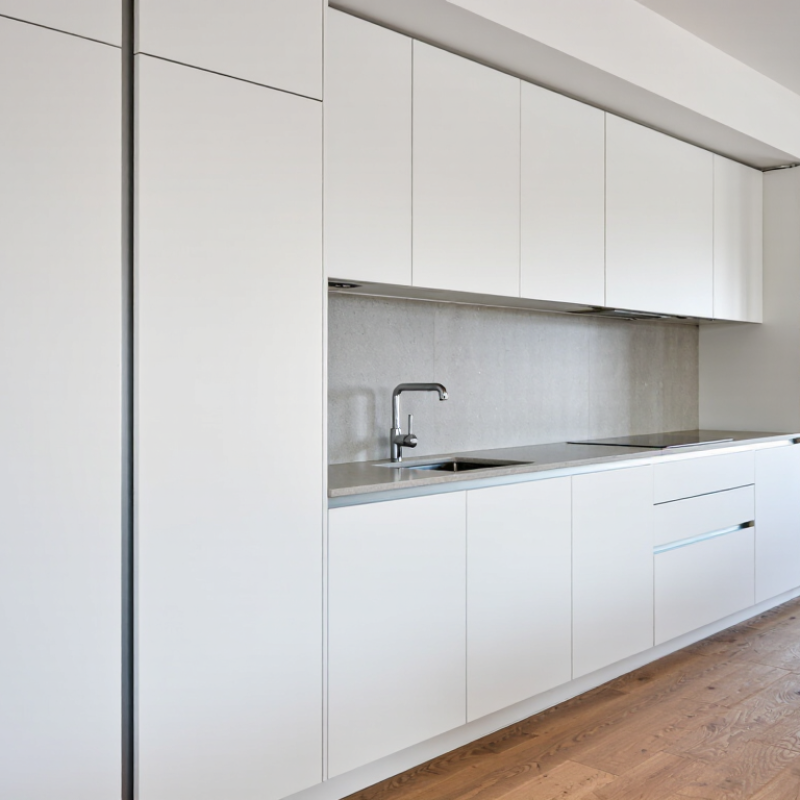
Why are handleless cabinets becoming popular in 2026? Their appeal is practical as well as visual. Flat fronts create an uninterrupted line, helping kitchens feel calmer, especially where counters, appliances, and storage share one small room. Without protruding knobs, there are fewer edges to catch sleeves or interrupt a narrow walkway. The effect is easy to notice: light moves across smooth cabinet doors, and the room feels less crowded.

Minimalist architect John Pawson offers a useful design principle: “The minimum could be defined as the perfection that an object achieves when it is no longer possible to improve it by subtraction.” He was speaking about design broadly, not handleless cabinetry specifically. Still, the idea helps explain the trend: removing visible hardware can make a kitchen feel more deliberate. Push-to-open doors and recessed edge pulls also give homeowners different ways to achieve that cleaner look.

But simplicity has limits. Fingerprints show on some matte finishes, and push-latches may need adjustment after years of use. People with limited grip strength may find certain mechanisms awkward. Small details matter. Choosing durable hinges, testing a sample finish in real kitchen lighting, and checking how doors open can prevent disappointment. Handleless cabinets are not automatically better; their popularity reflects a wider preference for uncluttered rooms, flexible finishes, and quieter visual details. The choice still depends on daily habits. A beautiful front cannot compensate for a cabinet that is frustrating to use.
Why Are Handleless Cabinets So Popular in 2026?

What Defines a Handleless Cabinet?

A handleless cabinet has no knob or bar attached to the front of its door or drawer. Instead, the opening method is built into the cabinet itself. Common designs use a recessed finger channel, a shaped edge, or a push-to-open mechanism. From across the room, the fronts often read as smooth, uninterrupted planes.

The details matter. A J-pull profile, for example, leaves a small grip beneath the cabinet edge, while a recessed rail creates a longer channel between doors and drawers. Push-to-open fronts rely on a spring-loaded latch; a gentle press releases the door. Small detail, big effect. The term is not perfectly precise: some cabinets hide a slim grip inside a shadow line, even though the hardware is technically present. What most designs share is the absence of a projecting handle.

In daily use, finger clearance and placement affect comfort as much as appearance. A narrow groove may be harder to grip with wet hands, and a push latch can need adjustment if a door sits slightly out of alignment. Dust and cooking residue may also collect in recessed channels, so their shape should be easy to wipe. A well-designed handleless cabinet balances a clean front with a practical way to open it. The best choice depends on who uses the kitchen and how often.

How Do Handleless Cabinet Systems Open and Close?

Handleless cabinets usually open through a push-to-open latch, a recessed grip, or a slim channel built into the cabinet edge. With a push-latch system, press the door near its opening point. The pressure releases a catch, and a spring pushes the door slightly outward so you can pull it open. That small click matters.

Closing works just as simply. Push the door until the latch catches again. Many drawers use a similar mechanism, often paired with runners that guide the drawer and slow it near the end of its travel. Soft-close hardware reduces slamming, but it cannot correct a drawer that is overloaded or poorly aligned. A small adjustment may be needed.

Some cabinets use electric opening systems, activated by a light touch or sensor. They can be useful when hands are full, though they need a power source and may require occasional troubleshooting. Recessed channels avoid moving parts: fingers fit into a narrow groove to pull the door or drawer. The groove can collect crumbs and dust. Not a deal-breaker, but worth noticing.

In everyday use, pressure-sensitive doors may open when bumped accidentally, while stiff latches can take more force than expected. Test the mechanism with clean, dry hands and check that doors sit evenly. Handleless design looks effortless; the hardware still needs careful fitting.

Why Are Handleless Cabinets Popular in 2026?

Handleless cabinets are popular in 2026 because they make kitchens feel calmer and less crowded. Flat fronts create an uninterrupted line, especially in compact apartments where every visual break matters. Push-to-open doors and recessed finger pulls also keep handles from catching clothing or bumping into hips near a busy island. A small detail, perhaps. But it changes how the room feels.

The Houzz 2024 U.S. Kitchen Trends Study reported that 76% of renovating homeowners upgraded their cabinets. The study tracks cabinet renovation, not handleless designs specifically, so it cannot prove their exact market share. Still, the figure shows how much attention homeowners give to cabinetry. Designers often pair smooth fronts with wood grain, warm neutrals, or a contrasting island to prevent the room from feeling too clinical.

There are trade-offs. Fingerprints show more clearly on some dark, matte finishes, and push-latches may need adjustment after years of use. Recessed pulls can also collect crumbs; I have seen this overlooked in otherwise polished kitchens. Try the opening mechanism before choosing it, and check whether doors can be opened comfortably with damp hands. Clean lines look effortless. The hardware still has to work.

What Practical Benefits and Limitations Do They Have?

Handleless cabinets remain popular in 2026 because they create a calm, uninterrupted look and can make compact kitchens feel less crowded. Their smooth fronts also avoid protruding knobs that catch on clothing or bump into people moving through narrow walkways. The effect is subtle. In daily use, recessed channels or push-to-open fittings provide access without adding visible hardware.

There are trade-offs. Recessed grooves can collect crumbs and cooking residue, especially near a busy hob. Push-to-open doors may need adjustment if they stop responding evenly, and fingerprints show readily on some dark, glossy finishes. Small details matter. People with limited hand strength may find a narrow edge harder to grip than a conventional handle. A sample door is worth testing before choosing a whole kitchen.

The most practical choice depends on how the room is used, not just how it photographs. A matte, easy-clean finish can reduce visible marks, while a well-shaped grip channel may feel more dependable than a touch-latch system. Cabinet doors still need space to open, so handleless fronts do not automatically solve tight layouts. It is also easy to underestimate the daily effort of wiping a recessed edge.

Why Are Handleless Cabinets So Popular in 2026? - What Practical Benefits and Limitations Do They Have?

Design feature Why people choose it Practical benefits Limitations to consider Useful planning tip
Streamlined, handle-free fronts They create a simple, uninterrupted look that suits many contemporary and minimalist interiors. Fewer projecting parts can mean fewer places for clothing or bags to catch in tight walkways. A smooth appearance does not necessarily mean easier cleaning; fingers may leave marks directly on cabinet fronts. Choose a finish that is easy to wipe and consider how visible fingerprints will be in your lighting.
Recessed rail or channel pulls A recessed grip keeps the cabinet face relatively flat while providing a place to pull doors and drawers. They avoid separate projecting knobs and can be convenient for frequent everyday use. Channels can collect crumbs or dust and may require regular attention. Rail dimensions can also affect usable cabinet space. Check the grip size, cleaning access, and effect on drawer or cabinet capacity before ordering.
Push-to-open mechanisms They allow a door or drawer to open without a visible pull, preserving a very clean front. They can work well where a fully uninterrupted cabinet surface is the priority. Opening typically requires pressing the front; mechanisms may need adjustment, and doors can open unintentionally if knocked. Test a full-size sample, especially for heavy doors, and confirm how the mechanism is adjusted or replaced.
J-pull or recessed-edge profiles A shaped cabinet edge provides a built-in gripping point without fitting a separate handle. The integrated grip is always in the same place and avoids an added hardware component. The profile can be less comfortable for some users than a larger handle, and its groove may need wiping. Try opening both doors and drawers before choosing; grip comfort can vary with hand size and cabinet position.
Accessibility and everyday use The uncluttered appearance appeals to many households and can reduce projections along circulation routes. A well-planned layout can make frequently used storage easy to reach and keep walkways clear. Pressing or pinching a small recessed edge may be harder for people with limited hand strength or dexterity than using a suitable handle. Prioritize the needs of the people using the room; consider accessible pulls or a mixed handle-and-handleless layout.
Cost and maintenance The simple exterior can create a tailored look, while different opening systems offer options for different budgets. Some designs use straightforward integrated profiles rather than separate decorative hardware. Total cost depends on the cabinet system, materials, installation, and hardware; push-to-open or powered options may add components and servicing needs. Compare complete installed quotes and ask about adjustment, replacement parts, cleaning, and warranty coverage.

Practical suitability depends on the cabinet system, room layout, finish, and users. Try the opening action in person where possible.

Where Do Handleless Cabinets Work Best?

Handleless cabinets are popular in 2026 because they create a clean, uninterrupted look. They work especially well in compact kitchens, where projecting knobs can catch clothing or interrupt narrow walkways. Flat fronts also make a small room feel calmer, particularly when cabinet colors blend with the walls.

They suit open-plan spaces, too. Without prominent hardware, kitchen cabinets can sit more quietly beside living and dining areas. In busy family kitchens, recessed pulls or edge profiles can provide a practical grip while keeping the fronts simple. Check how the doors open before choosing a system; some mechanisms need a firm press, which may feel awkward when your hands are full. Small detail, big difference.

Bathrooms and utility rooms can benefit from handleless storage, especially where clear surfaces make cleaning easier. Yet the style is not ideal everywhere. Smooth fronts may show fingerprints, and push-to-open fittings can need adjustment over time. In a real home, convenience matters as much as appearance. Try the opening action in person, and consider who will use the cabinets each day.

Why Are Handleless Cabinets So Popular in 2026?

Where Do Handleless Cabinets Work Best?

Handleless fronts avoid protruding pulls, making them a practical choice for compact kitchens and busy walkways. They do not replace adequate aisle space: common kitchen-planning guidance recommends a 36-inch walkway, a 42-inch work aisle for one cook, and a 48-inch work aisle for multiple cooks. Values are planning recommendations, not building-code requirements.

FAQS

What is a handleless cabinet?

It has no knob or bar projecting from the front. A recessed channel, shaped edge, or push latch provides access instead.

How do handleless cabinets open?

A J-pull leaves a small grip beneath the edge. Recessed rails form longer finger channels, while push-to-open doors release after a gentle press. Small detail, big effect.

Why do people choose handleless cabinets?

Their flat fronts create a calmer, less interrupted look. In a compact kitchen, fewer projecting parts can also help prevent bumps in narrow walkways.

Where do handleless cabinets work well?

They suit compact kitchens, open-plan rooms, bathrooms, and utility areas. Smooth fronts can sit quietly beside living spaces and make storage feel less visually busy.

Are handleless cabinets easy to keep clean?

Smooth fronts are simple to wipe, but recessed channels can collect crumbs and cooking residue. Some dark, matte finishes also show fingerprints clearly. Check the corners.

What drawbacks should I consider?

Narrow grooves may be difficult to grip with wet hands. Push latches can need adjustment if a door becomes misaligned, and smooth surfaces may show fingerprints.

How can I choose the right opening style?

Try each mechanism in person, including with damp hands. Consider who uses the kitchen and whether they can open a door comfortably when carrying something.

Are push-to-open cabinets always convenient?

Not necessarily. Some need a firm press, which can feel awkward when your hands are full. I might be overvaluing the clean look; daily use matters more.

Conclusion

Handleless cabinets create a clean, uninterrupted look by replacing traditional knobs and pulls with discreet opening features. They may use integrated finger grooves, recessed edges, push-to-open mechanisms, or slim channels built into the cabinetry. These systems let doors and drawers open with a light touch or a grip along the cabinet edge, while soft-close hinges and runners can help them shut quietly.

Why are handleless cabinets becoming popular in 2026? Their streamlined appearance suits contemporary interiors, and fewer protruding parts can make kitchens and other compact rooms feel less cluttered and easier to move through. They are especially effective in modern kitchens, bathrooms, utility rooms, and open-plan spaces where visual simplicity matters. However, smooth fronts may show fingerprints, push-to-open fittings need adjustment, and integrated grooves can require regular cleaning. Choosing durable finishes and a practical opening system helps balance the minimalist style with everyday convenience.

Charlotte

Charlotte

Charlotte is a seasoned marketing professional with a deep understanding of the company's portfolio and a passion for elevating its presence in the market. With a keen eye for detail and a commitment to excellence, she ensures that our professional blog is regularly updated with insightful articles......