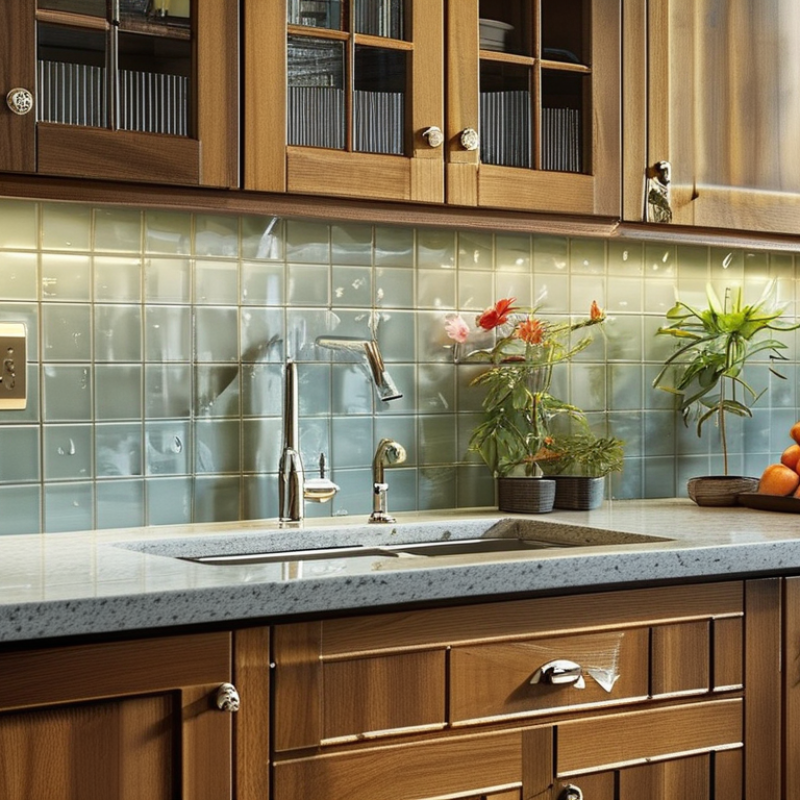
When considering how to waterproof kitchen cabinets near the sink, industry expert Mark Peterson emphasizes the importance of protection. He states, "Water damage can ruin the beauty of your kitchen." This highlights the critical need for effective waterproofing strategies, especially near water sources.
Cabinets near the sink are prone to moisture and spills. Without proper waterproofing, wood can warp, and finishes can deteriorate. Selecting the right materials and methods is essential. Using water-resistant sealants or finishes can prevent damage. Consider installing a backsplash to divert water away from cabinets.
However, even with the best techniques, no method is foolproof. Regular maintenance and checks are vital to ensure cabinets remain in top condition. By following expert recommendations, homeowners can effectively learn how to waterproof kitchen cabinets near the sink.
Choosing the right waterproofing material for your kitchen cabinets is crucial.
It's important to consider available options. Common materials include marine-grade plywood,
vinyl laminates, and epoxy finishes.
Each has its benefits and drawbacks. Some materials, like epoxy, create a hard shell but may crack over time.
Others, like laminates, can peel if not applied properly.
Tips:
Always test the waterproofing material.
Apply it on a small area first. Check for any adverse reactions. This step can save you from costly mistakes.
Another factor to consider is the environment around the sink.
Frequent exposure to water can erode cheap materials quickly.
Opt for materials with high moisture resistance.
If you live in a humid area, this is especially crucial.
Tips:
Keep an eye on the condition of your cabinets.
Regular inspections can prevent bigger problems later.
If you notice wear, address it immediately.
Proactive maintenance is key.
Waterproofing kitchen cabinets near the sink is a vital step to prolong their life. Proper preparation is essential. Start by cleaning the surface thoroughly. Use a mixture of mild detergent and warm water to remove grease and grime. Pay close attention to corners and edges, where moisture often gathers. Dry the cabinets completely to prevent trapping any moisture under the waterproofing layer.
Inspect the cabinets for any damage. Look for scratches, dents, or peeling paint. Repair any imperfections using wood filler or a suitable patching compound. This ensures a smooth surface for waterproofing. Consider sanding the surfaces lightly before applying any treatment. Sanding helps the waterproofing agent bond better with the cabinet surface.
Tips for effective waterproofing: Ensure the work area is well-ventilated. Avoid working in high-humidity conditions, as this can affect the drying time. Always test the waterproofing product on a small area first. These steps help you achieve a durable and professional finish. Don't skip the prep work; it makes all the difference in the final outcome.
When it comes to applying waterproof paint or sealant to kitchen cabinets, precision is key. The kitchen sink area is often the most vulnerable to water damage. According to a 2022 report from the Home Improvement Research Institute, over 30% of homeowners face issues with moisture damage in their kitchen cabinets. This data underscores the importance of proper waterproofing techniques.
To start, ensure the surface is clean and dry. Sanding the cabinets lightly can help the sealant adhere better. Select a high-quality waterproof paint or sealant that can withstand heat and humidity. Many industry experts recommend two coats for optimal protection. After applying each coat, allow adequate drying time, which is crucial for the effectiveness of the sealant.
Many DIYers overlook the edges and corners of cabinets. These areas are often where water collects. If ignored, they can lead to peeling and warping. Regular inspections for any signs of damage will also help maintain integrity. Keeping your cabinets well-protected not only enhances aesthetics but prolongs their lifespan significantly. Always be mindful of the application process and consider that even minor mistakes can have lasting effects.
Water damage is one of the most common issues kitchen cabinets face, especially near sinks. Installing protective barriers is essential to prevent costly repairs. According to a report from the National Kitchen and Bath Association, around 37% of kitchen remodels involve water damage restoration. The right protective strategies can help mitigate this risk significantly.
Consider using water-resistant sealants. They create a barrier against moisture and can extend the lifespan of your cabinets. If you're in a high-humidity area, specialized coatings may be beneficial. Home improvement professionals often suggest that these coatings should be reapplied every few years for maximum effect.
Tip: Always check for leaks regularly. A small drip can lead to big problems. Using absorbent mats under the sink can also help catch spills before they reach the cabinet.
Keep in mind that even with protective measures, some wear and tear will occur. Regular inspection of cabinets is vital. Professionals recommend checking for signs of warping or discoloration, as these can indicate underlying water issues. Addressing potential problems early can save time and money in the long run.
Maintaining waterproofed cabinets near the sink is crucial for longevity. Regular inspections can prevent water damage. Look for signs of wear like peeling or bubbling. If you spot these issues early, you can address them before more significant problems arise.
Cleaning is another essential task. Use a mild soap and water solution, ensuring you don't saturate the surface. Too much moisture can undo your waterproofing efforts. Dry the area thoroughly afterward. Remember, a quick check every few weeks can save costly repairs down the line.
Lastly, consider reapplying your waterproofing treatment every couple of years. Over time, the protective layer can wear down. A fresh coat will revive their durability. Don’t overlook corners and seams, as these areas often suffer more from exposure. Protecting your cabinets requires vigilance and consistent care.
| Step | Description | Materials Needed | Maintenance Tips |
|---|---|---|---|
| 1 | Clean the surface of cabinets thoroughly to remove dirt and grease. | All-purpose cleaner, sponge, microfiber cloth | Regularly wipe down surfaces to prevent buildup. |
| 2 | Apply a water-resistant primer to seal the wood. | Water-resistant primer, paintbrush or roller | Reapply every 2-3 years for continued protection. |
| 3 | Use waterproof paint to finish the cabinets. | Waterproof paint, paintbrush or sprayer | Inspect for chips and touch up painting as needed. |
| 4 | Seal edges and joints with silicone caulk. | Silicone caulk, caulking gun | Check seals every year and replace if needed. |
| 5 | Install a protective barrier (like a mat) under sink area. | Water-resistant mat, adhesive | Replace the mat periodically to maintain protection. |
: Waterproofing protects cabinets from moisture damage, especially near the sink. Over 30% of homeowners face this issue.
Clean and dry the surface. Lightly sand the cabinets for better adhesion. Precision in preparation is crucial.
Experts recommend applying two coats for optimal protection. Allow adequate drying time between each coat for best results.
Edges and corners are commonly neglected. Water collects here, leading to peeling and warping if untreated.
Regular inspections are crucial for spotting signs of damage. Look for warping or discoloration to address issues early.
Use a mild soap and water solution. Avoid saturating the surface, and dry it thoroughly afterward to maintain waterproofing.
Reapply every few years to ensure ongoing protection. The protective layer can wear down over time.
Use water-resistant sealants and absorbent mats under the sink. Regularly check for leaks to prevent bigger problems.
Address these issues promptly. Early intervention can prevent more significant damage and costly repairs later on.
Yes, some wear and tear will occur. Vigilance and consistent care are necessary to maintain the integrity of your cabinets.
To effectively address the question of "How to waterproof kitchen cabinets near the sink," it is essential to follow a systematic approach. First, choose the appropriate waterproofing materials that are designed to withstand moisture and heat from the kitchen environment. Next, prepare the cabinets by thoroughly cleaning and repairing any damaged surfaces to ensure optimal adhesion of the waterproofing solution.
Once the cabinets are prepped, apply a high-quality waterproof paint or sealant to create a protective layer against water damage. Additionally, consider installing protective barriers, such as splash guards, to further prevent moisture from reaching the cabinetry. Finally, regular maintenance is crucial to ensure the longevity of the waterproofing, including periodic inspections and touch-ups as needed. By following these steps, kitchen cabinets near the sink can achieve professional-grade waterproofing, providing durable protection against the elements.
Arico Home