Top 10 Tips to Match Kitchen Cabinets with Flooring Styles?

Time:2026-06-13 Author:Liam
0%

When renovating a kitchen, one key decision is how to match kitchen cabinets with flooring. Expert designer Sarah Thompson states, “The harmony between cabinets and flooring creates a stunning visual balance.” This highlights the importance of thoughtful selection.

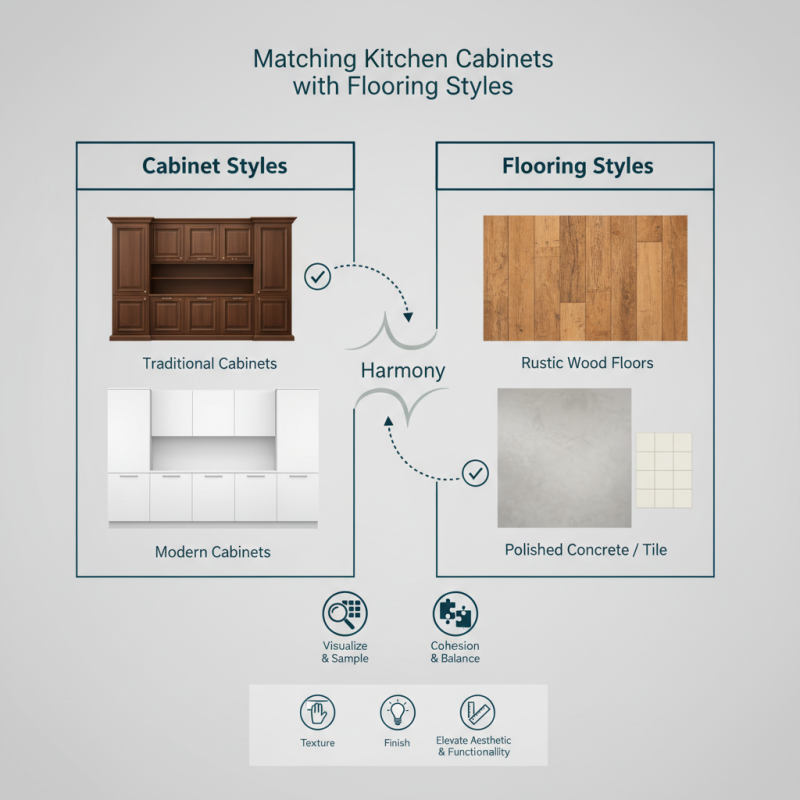
In choosing materials and colors, consider the overall kitchen style. Traditional cabinets may pair well with rustic wood floors. Sleek modern cabinets can complement polished concrete or tile. It’s crucial to visualize these combinations before making a final choice. Many homeowners struggle with these decisions, often unsure of how to create cohesion.

Be mindful of texture and finish as well. A glossy cabinet may clash with a matte floor. Experiment with samples in your space for an authentic look. This step can lessen uncertainty and help you trust your instinct. Ultimately, knowing how to match kitchen cabinets with flooring can elevate your kitchen's aesthetic and functionality.
Top 10 Tips to Match Kitchen Cabinets with Flooring Styles?

Understanding Different Kitchen Cabinet Styles

When selecting kitchen cabinets, understanding different styles is crucial. Cabinets can enhance the overall aesthetics and functionality of a kitchen. According to the National Kitchen & Bath Association (NKBA), 70% of homeowners prioritize cabinet style in their renovation plans.

Traditional cabinets often feature ornate details and rich woods. They pair well with warm-toned wood floors, creating a cohesive and inviting space. Modern cabinets present clean lines and minimalistic designs. These work best with sleek, polished floors, such as tile or high-gloss laminate. However, this pairing can sometimes lack character, requiring careful attention to accessories or wall colors.

Transitional styles blend the best of both worlds. This approach provides flexibility, allowing homeowners to mix different materials. For instance, pairing light-colored cabinets with darker flooring can create visual interest. Yet, achieving this balance can be challenging. The scale of the room and the amount of natural light play significant roles and are often overlooked. In fact, over 60% of homeowners regret not considering lighting when choosing cabinetry and flooring. Understanding these dynamics is essential for designing a kitchen that feels harmonious and functional.

Exploring Popular Flooring Options for Kitchens

When choosing flooring for your kitchen, consider popular options like tile, hardwood, and laminate. Each type has unique characteristics that can influence your cabinet selection. Tile is durable and easy to clean, making it ideal for high-traffic areas. It comes in a variety of colors and patterns. However, it can feel cold underfoot. Hardwood adds warmth and natural beauty. It can clash with certain cabinet styles, so careful selection is key. Laminate is budget-friendly but may not have the same lasting appeal.


Textures and colors matter. Light-colored floors can brighten a space but may show dirt quickly. Darker floors can create an elegant look but might make a small kitchen feel cramped. Remember, trends change. A popular style today might not be appealing in a few years. It’s crucial to think long-term when making your choice.


Experiment with samples before committing. Place cabinet samples beside flooring options to visualize the combination. Don’t rush this process; mistakes can be costly. Allow yourself time to reflect on what feels right for your home. Balancing aesthetics and functionality will lead to a more satisfying result in your kitchen remodel.

Considering Color Coordination Between Cabinets and Flooring

Choosing colors for kitchen cabinets and flooring can be challenging. It's vital to find a balance that enhances the overall aesthetic. Warm wood tones often pair well with cool stone tiles. Contrasting elements can create a striking look, but harmony is essential.

Consider your kitchen's size when selecting colors. Lighter colors can make small spaces feel larger. Darker shades often add a touch of elegance and depth. However, a too-dark combination might make a kitchen feel closed in. Experimenting with samples in natural light can reveal how colors interact throughout the day.

Textures also play a significant role. Glossy finishes reflect light, brightening spaces. Matte surfaces absorb light, offering a cozy vibe. Mixing different textures can add visual interest but requires careful thought. Too many textures can lead to a chaotic look, while too few may feel dull. Striking the right balance between color and texture can transform your kitchen into a welcoming space.

Top 10 Tips to Match Kitchen Cabinets with Flooring Styles

Tip Number Tip Description Recommended Color Schemes Best Flooring Types
1 Choose complementary colors White Cabinets & Dark Wood Floors Hardwood, Laminate
2 Consider contrasting tones Dark Cabinets & Light Floors Tile, Vinyl
3 Match undertones Warm Cabinets & Warm Floors Bamboo, Cork
4 Stick with neutrals Gray Cabinets & Beige Floors Carpet, Engineered Wood
5 Incorporate patterns Textured Cabinets & Patterned Floors Patterned Tile
6 Use the same finish Glossy Cabinets & Glossy Floors Polished Stone, Glazed Tile
7 Consider the space size Light Cabinets & Light Floors Laminate, Light Wood
8 Create a focal point Bold Cabinets & Neutral Floors Ceramic Tile, Engineered Wood
9 Balance warm and cool tones Cool Gray Cabinets & Warm Floors Oak, Walnut
10 Focus on maintenance Durable Cabinets & Easy-Clean Floors Luxury Vinyl, Porcelain Tile

Balancing Texture and Finish for Visual Harmony

Balancing texture and finish is key when selecting kitchen cabinets and flooring styles. A recent survey from the National Kitchen and Bath Association highlights that 80% of homeowners prioritize aesthetic appeal when designing their kitchens. Textures play a significant role in this aesthetic. For example, pairing sleek, high-gloss cabinets with rustic wood flooring can create an unexpected contrast. This visual tension can enhance the overall design, but caution is necessary. Too much contrast can disrupt harmony, leading to a disordered look.

When considering finishes, it's essential to maintain a cohesive vibe. Matte finishes tend to evoke a calming atmosphere, while glossy finishes add vibrancy. A report from HomeAdvisor indicates that 65% of homeowners prefer matte or satin finishes for cabinets due to their subtle elegance. However, if the flooring is too bold, it may overshadow the cabinets. For instance, a bold patterned tile can clash with simple cabinetry.

It’s crucial to evaluate how textures and finishes interact. Light textures may complement bold flooring, but not all combinations work seamlessly. Designers often test combinations before finalizing choices to ensure a balanced result.

Practical Tips for Measuring and Planning Your Kitchen Design

Measuring and planning your kitchen design is an essential first step. Accurate measurements ensure a seamless layout that enhances functionality. Start by measuring the dimensions of your kitchen. Use a tape measure for precision. Record the length and width of your walls, including any alcoves or recesses.

Consider the height of your cabinets too. This detail can impact the overall visual balance of the room. When it comes to flooring, think about the material and color. For example, light hardwood can make a small kitchen feel larger. Dark tile can add richness but may overwhelm a small space. The key is to create harmony.

Once you have your measurements, sketch a basic layout. Include cabinet placements and potential flooring transitions. Reflect on your initial ideas. Do they offer adequate space and accessibility? Adjust as needed before committing to a final design. Remember, your kitchen should be both stylish and practical.

Top 10 Kitchen Cabinet and Flooring Combinations

FAQS

: What are traditional kitchen cabinets like?

: Traditional cabinets feature ornate details and rich wood finishes. They create a warm and inviting atmosphere.

How do modern kitchen cabinets differ?

Modern cabinets have clean lines and minimalistic designs. They work well with polished floors for a contemporary look.

What do transitional cabinets offer?

Transitional cabinets blend traditional and modern styles. They allow for mixing materials and colors in the kitchen.

Why is lighting important in kitchen design?

Many homeowners regret not considering lighting. It affects how cabinetry and flooring colors appear in the space.

How can color selection impact kitchen size perception?

Lighter colors can make small kitchens feel larger. Dark colors add elegance but might make a space feel cramped.

What role do textures play in kitchen design?

Textures impact light reflection and ambiance. Glossy finishes brighten spaces, while matte surfaces create a cozy vibe.

Can contrasting colors be effective in kitchen design?

Yes, but achieving harmony is essential. Contrasting elements should work together without overwhelming the space.

How can I avoid a chaotic look with textures?

Striking a balance is key. Too many textures can clash, while too few may make a space feel lifeless.

Is it necessary to test color samples?

Absolutely. Testing samples in natural light shows how colors interact throughout the day, affecting overall design.

What common mistakes do homeowners make when choosing cabinets?

Many overlook the importance of natural light. It significantly influences the visual appeal of cabinetry and flooring.

Conclusion

In the quest for a harmonious kitchen design, understanding how to match kitchen cabinets with flooring is crucial. Start by familiarizing yourself with different kitchen cabinet styles, such as modern, traditional, or shaker, and then explore popular flooring options like tile, hardwood, or laminate. Ensuring color coordination between cabinets and flooring can enhance visual appeal; consider complementary shades or contrasting colors to create a balanced look.

Texture and finish also play a vital role in achieving visual harmony. For instance, pairing sleek cabinets with matte flooring can create an interesting dynamic. Finally, practical tips for measuring and planning your kitchen design will help you maximize space and ensure that your choices not only look good together but also align with functionality. By following these guidelines, you can create a cohesive and stylish kitchen that reflects your personal taste.

Liam

Liam

Liam is a dedicated marketing professional with a profound expertise in the industry, where he excels at highlighting the unique advantages of our core products. With a keen understanding of market trends and consumer needs, Liam frequently updates our company’s professional blog, providing......