Maintaining solid wood furniture in humid climates can be challenging. The high moisture levels pose risks such as warping and mold. Expert Andrew Thompson, a renowned furniture care specialist, emphasizes, “Humidity can be more damaging than dry air.” His insights highlight the importance of proper maintenance.
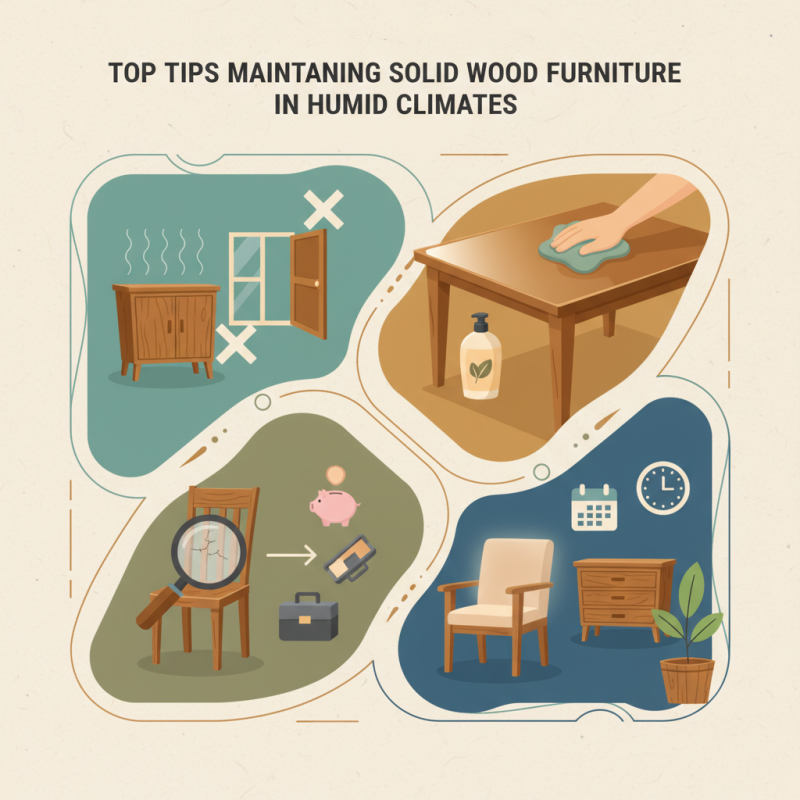
When considering how to maintain solid wood furniture in humid climates, several factors come into play. Wood naturally absorbs moisture, leading to expansion. It’s essential to keep furniture away from direct sources of humidity, like windows and doors. Regularly polishing with a suitable product can also create a protective barrier.
Many homeowners overlook the need for consistent care. Ignoring subtle signs of damage could result in costly repairs. Investing time in understanding the right techniques can preserve furniture for years. Failure to do so may lead to regrets down the line. Practicing careful maintenance ensures that cherished pieces remain beautiful and functional despite the challenges posed by humidity.
Understanding the Impact of Humidity on Solid Wood Furniture
Humidity plays a crucial role in the maintenance of solid wood furniture. High humidity levels can cause wood to swell, leading to cracks and warping. When wood absorbs moisture, it expands, affecting joints and finishes. This may result in a less appealing appearance and compromised structural integrity.
To mitigate these effects, consider using a dehumidifier in your living space. This helps maintain a stable environment for your furniture. Regular dusting can prevent the accumulation of moisture. Additionally, using coasters or mats can help protect surfaces from spills. Periodically check for signs of damage, such as uneven surfaces or sticky drawers.
Despite your best efforts, some issues may still arise. It's vital to recognize when to seek professional advice. Ignoring minor cracks can lead to major repairs later. Educating yourself about the specific needs of your wood type is essential. Each species responds differently to humidity changes, and understanding these nuances can lead to better care.
Essential Care Techniques for Solid Wood in Humid Environments
Maintaining solid wood furniture in humid climates requires careful attention. Humidity can lead to wood swelling, warping, and even mold growth. It’s essential to create a controlled environment. Use a dehumidifier to keep indoor humidity levels between 40-60%. This is key to preserving the wood’s integrity.
Regular cleaning is crucial. Use a soft, dry cloth to remove dust and moisture. Avoid using excessive water. Instead, a damp cloth with distilled water works well. Afterward, dry the surface properly. Remember to check for signs of mold or mildew, especially in corners and hidden areas.
Applying a protective finish can help. Use wax or a specialized furniture polish designed for humid conditions. These products form a barrier against moisture. However, over time, these finishes can wear off. Regularly inspect and reapply as needed. This requires a bit of effort but is crucial for long-lasting furniture. Balancing protection and maintenance can be tricky, but with dedication, your solid wood pieces can thrive even in challenging climates.
Best Practices for Cleaning and Maintaining Wood Surfaces
Maintaining wood surfaces in humid climates requires careful attention. High humidity can cause wood to swell, warp, or develop mold. Regular cleaning is vital to avoid these issues. Use a soft, damp cloth to wipe away dust and grime. This gentle method prevents scratch marks. After cleaning, dry the surface thoroughly. This helps maintain the wood’s integrity.
Applying a protective finish can enhance durability. Choose natural oils or wax to nourish the wood. These treatments form a barrier against moisture. However, be cautious with the amount used. Over-application can lead to a sticky residue. Test on a small area first.
In addition, keep furniture away from direct sunlight and heat sources. This reduces the risk of fading and warping. Regularly inspecting for signs of mold is essential. Look for discoloration or a musty smell. If found, act swiftly to clean and restore the wood. Proper care ensures your furniture remains beautiful and functional in humid conditions.
Preventive Measures to Combat Wood Damage from Moisture
Maintaining solid wood furniture in humid climates requires a strategic approach. Moisture can lead to warping, mold, and other damaging issues. According to the Wood Database, excessive humidity can cause wood to swell and crack. Avoiding these problems involves understanding preventive measures.
One effective tip is to control indoor humidity. Ideal indoor humidity levels range from 30% to 50%. Using a dehumidifier can help achieve this range. Regularly check your hygrometer to ensure conditions remain stable. Another tip is to apply a good quality furniture polish or wax. This creates a protective barrier against moisture. Regular application every few months can help prolong the life of your furniture.
Consider the placement of your furniture. Keep wood pieces away from direct sunlight and heat sources. This will reduce temperature fluctuations that cause wood to expand and contract. It's a good idea to use coasters and mats to protect surfaces from moisture from drinks or plants. Remember, sometimes the best action is a precautionary one, recognizing your environment’s unique challenges.
Top Tips for Maintaining Solid Wood Furniture in Humid Climates
Choosing the Right Products for Wood Furniture Preservation
Maintaining solid wood furniture in humid climates requires careful consideration of the products used for preservation. Moisture can cause wood to swell, warp, or even develop mold. A recent industry report indicates that over 60% of wood furniture deteriorates faster in high humidity. To combat this, specific products can be beneficial.
Choosing a high-quality wood preservative is essential. Look for products containing natural oils or waxes, as they help protect the wood while allowing it to breathe. According to a survey by the Furniture Preservation Institute, using a good conditioner can reduce water absorption by up to 30%. Moreover, regular application of these products every six months can significantly extend the life of your furniture.
Avoid overly harsh chemicals, which may damage the wood’s finish. Cleaners with alcohol or bleach can strip away protective oils. Instead, opt for gentle, pH-balanced cleaners, which are safer for wood surfaces. It's interesting to note that many individuals overlook this aspect. Inadequate cleaning methods often lead to unexpected degradation of fine wood finishes. Regular maintenance coupled with the right choice of products can maintain the beauty and integrity of your wooden pieces in a humid environment.
FAQS
: Control the humidity indoors with a dehumidifier. Aim for 40-60% to protect the wood.
Use a soft, damp cloth for cleaning. Afterward, dry the surface thoroughly to prevent moisture damage.
Inspect regularly and reapply finishes as needed. Products like wax can guard against moisture but wear off over time.
Look for discoloration or a musty smell in corners. Act quickly to clean such areas.
High humidity can cause swelling, warping, and mold growth. It's essential to monitor the indoor environment closely.
Yes, over-application can leave a sticky residue. Always test on a small area before full application.
Using excessive water can damage the wood. A gentle, damp cloth is usually best.
Yes, keep it away from direct sunlight and heat sources to prevent fading and warping issues.
Coasters protect against moisture from drinks, reducing the risk of water damage.
Inspecting regularly helps catch potential issues early, like mold or changes in wood condition.
Conclusion
Maintaining solid wood furniture in humid climates requires a thorough understanding of the challenges posed by high moisture levels. Humidity can lead to issues such as warping, swelling, and mold growth. To effectively care for such furniture, it is essential to employ techniques that cater to the specific needs of wood in these environments. Regular cleaning with appropriate products, ensuring surfaces are dry, and using coasters or mats to prevent moisture build-up can help protect the wood.
Additionally, implementing preventive measures, such as using dehumidifiers and adjusting indoor climate control, can significantly reduce wood damage from moisture. When considering how to maintain solid wood furniture in humid climates, selecting the right preservation products—such as oils and sealants designed for high humidity—will enhance the durability and appearance of the furniture. By following these best practices, you can ensure the longevity and beauty of solid wood pieces in a humid setting.

 Arico Home