Refinishing old wooden wardrobes is an excellent way to breathe new life into vintage furniture. In a recent survey by the National Association of Home Builders, nearly 75% of homeowners expressed a desire to update their homes with sustainable practices. This trend aligns with the growing popularity of DIY projects, allowing individuals to create personalized, eco-friendly pieces. Learning how to refinish old wooden wardrobes not only preserves craftsmanship but also fosters a connection with personal history.
With the right techniques, even well-loved wardrobes can regain their charm. A study from the American Home Furnishings Alliance found that refinishing furniture can increase the piece's value by up to 50%. This substantial return on investment motivates enthusiasts to embrace the method. However, beginners must acknowledge that the process can have its challenges. There may be hidden damages that require attention and patience. Embracing imperfections in the wood adds character and showcases the journey of restoration.
Equipped with the right tools and knowledge, anyone can embark on this rewarding endeavor. Understanding the significance of materials and techniques is crucial. It empowers you to transform a worn wardrobe into a statement piece that reflects your style and values. The journey of refinishing can be as enriching as the final product itself.
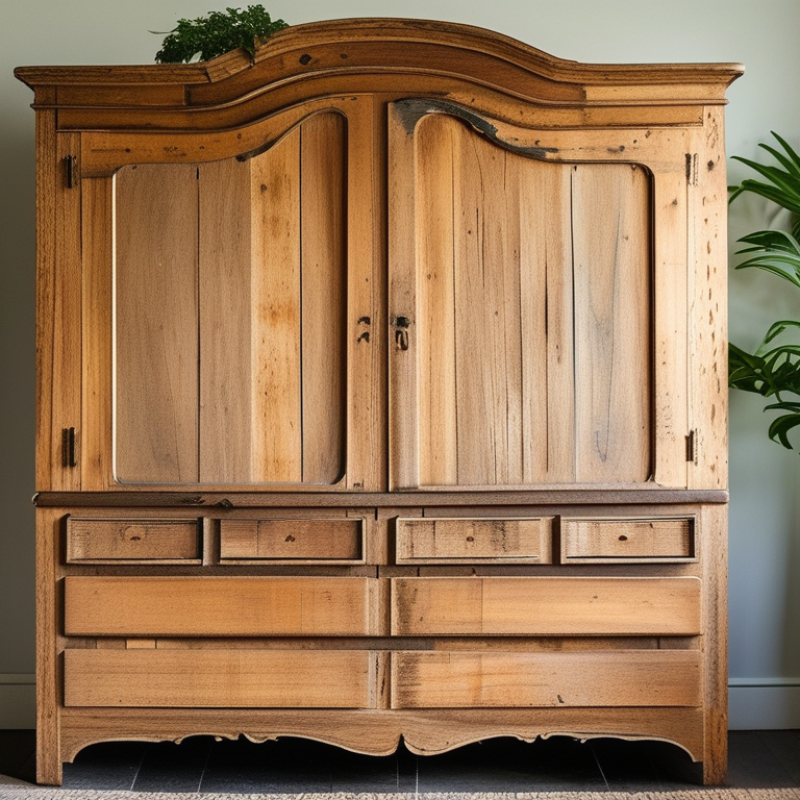
Refinishing old wooden wardrobes can breathe new life into your furniture. Understanding the basics of wood furniture refinishing is essential for a successful project. Wood absorbs moisture and environmental changes, leading to degradation. According to the American Wood Council, improper care can reduce furniture lifespan by 20% or more. Knowing how to properly refinish can help maintain your wardrobe's integrity.
Start by assessing the wood's condition. Look for cracks, scratches, and signs of mold. It's crucial to choose the right type of finish. For example, oil-based finishes penetrate deeper but take longer to dry. Water-based finishes dry quickly but may not provide as rich a sheen. Determine what best suits your wardrobe and your space.
**Tips:** Always wear protective gear when sanding or applying chemicals. A dust mask helps protect your lungs. Test finishes in a small corner before full application. Consider using a soft cloth to apply finishes evenly, avoiding streaks. In some cases, you might also want to avoid over-sanding, as it can damage the wood's layers.
Finally, think about the style you want. A modern look may require different techniques than a vintage finish. Don't hesitate to experiment, but be ready to adjust if things don’t go as planned. Embrace the imperfections, as they often tell the story of your furniture. Refinishing is a journey, and learning from each step is part of the process.
| Step | Description | Time Required | Tools Needed |
|---|---|---|---|
| 1 | Remove old finish with a chemical stripper or sandpaper. | 2-4 hours | Gloves, safety goggles, paintbrush or scraper, sandpaper. |
| 2 | Clean the surface thoroughly to remove any dust and grime. | 1 hour | Sponge, warm soapy water, cloths. |
| 3 | Apply wood stain or paint to achieve desired color. | 2-3 hours | Stain or paint, paintbrush, rags. |
| 4 | Seal the wood with a protective finish like polyurethane. | 1-2 hours plus drying time | Polyurethane, paintbrush, sanding sponge. |
| 5 | Reassemble any parts removed during the refinishing process. | 1 hour | Screwdriver, hardware. |
: Assessing wood helps identify cracks and mold. This ensures you choose the right refinishing method.
Oil-based finishes penetrate deeper but dry slowly. Water-based finishes dry quickly but may lack richness.
Always wear gloves and a dust mask. These protect against dust and chemical exposure during the process.
A balance of both is best. Power sanders save time, but hand sanding captures fine details.
Testing prevents disappointment. It helps ensure the stain or finish looks good on your wood type.
Yes, the technique can change the look. Modern styles differ from vintage finishes in application.
Wood absorbs moisture, leading to degradation over time. Proper refinishing protects against environmental changes.
Common mistakes include over-sanding and improper finish selection. Learning from these can improve future projects.
Yes, imperfections tell a story. Embracing them can enhance the character of your furniture.
Choose quality materials and techniques. Regular maintenance, like cleaning, also helps extend its lifespan.
Refinishing old wooden wardrobes can breathe new life into your furniture and enhance the aesthetics of your living space. To begin, it's essential to understand the basics of wood furniture refinishing, which sets the foundation for a successful project. Start by thoroughly cleaning the wardrobe and assessing its condition to determine the necessary preparations. Choosing the right tools and materials is crucial, as these will impact the final result.
The step-by-step process involves sanding the wood to create a smooth surface, followed by selecting an appropriate stain that complements your decor. Finally, applying the finish with recommended techniques can ensure a polished, professional appearance. By following these guidelines on how to refinish old wooden wardrobes, you'll achieve a stunning transformation that showcases the beauty of the wood.

 Arico Home