Termites pose a significant threat to wooden cabinets, causing costly damage. According to the National Pest Management Association, termites inflict around $5 billion in property damage each year in the United States alone. Understanding how to prevent termites in wooden cabinets is crucial for homeowners and businesses alike. Effective prevention strategies are essential in protecting valuable wooden furniture from these destructive pests.
Moisture control plays a vital role in termite prevention. Termites thrive in humid environments. Proper ventilation and dehumidification can deter their presence. Regular inspections of cabinets can help identify potential threats early. Additionally, using termite-resistant materials contributes to creating a safer environment for cabinetry.
It's not just about immediate prevention; ongoing vigilance is key. The pest control industry recommends treating wood with specialized chemicals to enhance resistance. However, it's essential to reflect on the limitations of these treatments. Homeowners should stay informed about the latest techniques and professional advice. This proactive approach ensures long-term protection against termites and prolongs the life of wooden cabinets.
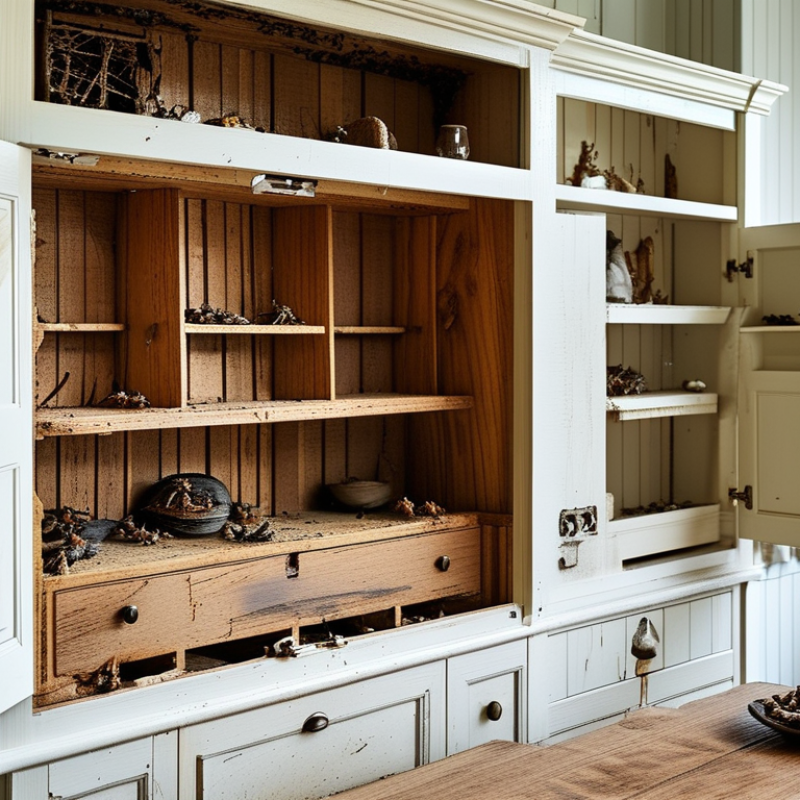
Termites thrive in specific environments, making their behavior crucial to understand. They prefer warm, humid areas, often found in the soil. These insects are drawn to cellulose, which is abundant in wood. When considering wooden cabinets, recognizing the warning signs is essential. Small holes, frass, or damaged wood indicate a potential infestation.
In addition to moisture, termites seek dark, confined spaces. Wooden cabinets, especially those that hold damp items, can become a target. They often enter through small cracks and crevices. Installing proper ventilation and ensuring wood is treated can help reduce the risk. Over time, neglecting these factors can lead to significant damage. Regular inspections are necessary to maintain furniture integrity and prevent infestations.
Understanding termite behavior enables homeowners to take proactive measures. Creating barriers, managing moisture levels, and inspecting items will deter these pests. However, even with precautions, the possibility of an infestation remains. Homeowners should remain vigilant and continuously educate themselves about termite activity to safeguard their wooden cabinets.
Identifying signs of termite infestation in wooden cabinets is crucial for prevention. Termites can cause significant damage to your home. According to the National Pest Management Association (NPMA), homeowners face an estimated $5 billion annually due to termite-related repairs. Understanding the indicators can save you time and money.
Look for small, mud tubes on the surfaces of cabinets. These tubes are used by termites for protection and travel. If you notice hollow-sounding wood when tapping, it may indicate extensive damage. Also, check for discarded wings, typically found near windows or doors. Termite swarming season usually occurs in spring, but signs can appear year-round.
Visual inspection is key. Peeling paint or wood that appears water-damaged may signal infestations. Homeowners often dismiss these signs, thinking they are harmless. An infestation can grow unnoticed, leading to costly repairs. Regular inspections and awareness of these warning signs play a vital role in protecting your wooden cabinets. Taking action early can prevent severe structural issues down the line.
Preventing termites in wooden cabinets requires a solid understanding of effective treatment options. Research indicates that around 30% of homes in the United States face termite infestations, underscoring the need for proactive measures. One proven method involves using borate treatments. Borates penetrate wood and make it less appealing to termites. Applying a borate-based solution to unfinished wood can reduce risks significantly. Experts recommend reapplying these treatments every few years for optimal protection.
Regular inspection is key in safeguarding wooden cabinets. Inspecting for signs of termites, such as mud tubes or hollowed wood, should be routine. Experts suggest checking cabinets each season, especially in areas known for high humidity. Seal any cracks or gaps promptly. This can prevent moisture, attracting termites. The Environmental Protection Agency notes that moisture control is crucial in pest management. A well-maintained environment deters pests effectively.
Physical barriers can also augment your defenses. Installing metal barriers or wire mesh during construction can offer lasting protection. However, this may not always be feasible in existing structures. Addressing repair needs promptly is vital. Damaged areas may attract pests. A proactive, comprehensive approach is essential. While no single method guarantees 100% protection, combining treatments maximizes effectiveness.
Regular maintenance is crucial for protecting wooden cabinets from termite infestations. A report by the National Pest Management Association states that termites cause over $5 billion in damage annually in the U.S. alone. Understanding their habits is key. They thrive in damp environments. Thus, keep your cabinets dry. Check for leaks or moisture regularly.
Clean your cabinets frequently to limit food sources for these pests. Use a vacuum to remove wood particles and dust. This practice removes potential nesting materials. Inspect wood for signs of damage or mud tubes. This ensures you catch infestations early. Replace any compromised wood to inhibit further termite activity.
Consider using natural deterrents such as neem oil or diatomaceous earth. A study from the University of Florida emphasizes the effectiveness of these options. They safely repel termites without harmful chemicals. Lack of consistent maintenance may lead to costly repairs later. Be proactive and attentive to your wooden cabinets.
| Maintenance Tip | Description | Frequency |
|---|---|---|
| Inspect for Moisture | Check for any water leaks or moisture buildup, which attract termites. | Monthly |
| Seal Cracks | Seal gaps and cracks in cabinets to prevent termite entry. | Biannually |
| Regular Cleaning | Clean cabinets thoroughly and remove any food particles. | Weekly |
| Use Termite Barriers | Install physical or chemical barriers to deter termites. | As needed |
| Professional Inspections | Hire professionals for a thorough examination of cabinets. | Annually |
Choosing the right materials is crucial for preventing termite infestations in wooden cabinets. Solid wood, while aesthetically pleasing, can attract termites if it is not treated. Instead, consider using composite materials. These often have built-in termite-resistant properties. They are less appealing to pests and can last longer in humid environments.
Another viable option is treated wood. This wood undergoes a treatment process that repels termites. Look for options that specify resistance to or protection against termites. While treated wood might cost a bit more, the investment can save you from higher replacement costs later.
Don't overlook the importance of regular maintenance. Even the best materials can suffer without care. Check for cracks or deterioration periodically. A small repair can prevent larger issues down the line. Remember, the goal is to create a barrier against these pests. Being proactive is key.
: Look for mud tubes, hollow-sounding wood, and discarded wings. These are key indicators of termites.
Use borate treatments on unfinished wood. Regular inspections help identify problems early.
Peeling paint or water-damaged wood can signal infestations. Ignoring these signs can lead to costly repairs.
Inspect cabinets each season, especially in high humidity areas. Routine checks are essential for prevention.
Composite materials or treated wood are good choices. They offer built-in resistance to infestations.
Sealing cracks and managing humidity deters termites. Pests thrive in damp environments, so control is crucial.
Yes, regular checks for cracks or deterioration are essential. Small repairs prevent larger issues later.
Yes, installing metal barriers or wire mesh during construction can enhance protection.
While no method guarantees 100% protection, combining treatments maximizes effectiveness and minimizes risks.
Act quickly to address the situation. Early action can prevent severe structural issues.
In addressing the question of how to prevent termites in wooden cabinets, it is essential to first understand termite behavior and their habitat preferences. Termites thrive in damp, poorly ventilated areas, making it crucial for homeowners to recognize the signs of an infestation early, such as mud tubes and hollow-sounding wood. Implementing effective preventive treatments, such as applying wood preservatives and ensuring proper drainage, can significantly reduce the risk of termite damage.
Regular maintenance is also key to minimizing termite risks. Homeowners should routinely inspect their cabinets for any signs of wear or moisture that might attract termites. Additionally, opting for termite-resistant materials during cabinet construction, such as treated wood or alternative building materials, can provide an added layer of protection. By following these steps, one can effectively safeguard wooden cabinets from termite infestations.

Arico Home