How to maximize storage in a small wardrobe is not simply a matter of adding more shelves. It begins with understanding how clothing is used, stored, and forgotten. A crowded rail often hides poor decisions, not a lack of furniture. Bulky coats, folded knitwear, and unused accessories can consume valuable space quickly.
Marie Kondo, a Japanese organizing consultant and author, offers a useful principle: “The best way to choose what to keep is to take each item in one’s hand and ask: ‘Does this spark joy?’” Applied carefully, this idea helps separate practical clothing from emotional clutter. However, joy alone may not be enough. A waterproof jacket can be essential, even if it rarely feels exciting. That small distinction matters.
This guide explores how to maximize storage in a small wardrobe through realistic, measurable changes. We will examine vertical folding, slim hangers, door-mounted organizers, seasonal rotation, and clear storage zones. A five-centimeter gap can hold scarves. A high shelf can store luggage or winter bedding. Use every safe surface.
Do not expect perfection.
Some solutions may look tidy but create daily frustration. Deep boxes can hide clothes. Overfilled drawers can damage delicate fabrics. The best arrangement is the one that remains usable after a busy morning. Measure the wardrobe first, then test one change for a week. If an item becomes difficult to reach, the system needs reconsideration. Good storage should save time, protect clothing, and make dressing less stressful.
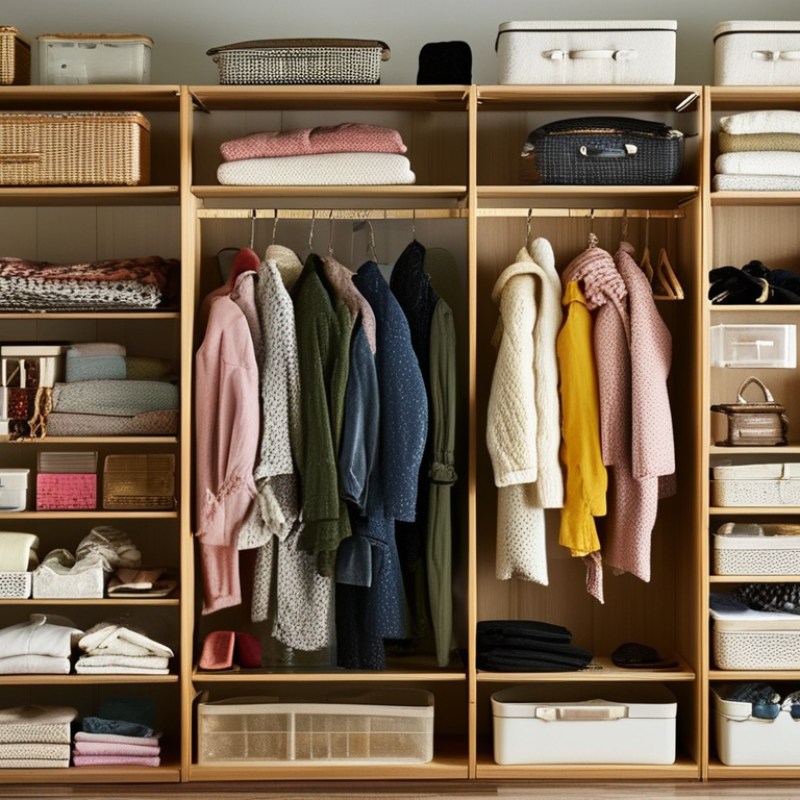
Before buying organizers, measure the wardrobe’s usable space. Record width, depth, height, shelf gaps, door clearance, and the floor area below hanging clothes. A 2023 housing-space report from the Organisation for Economic Co-operation and Development shows that adequate space depends on household size, not room dimensions alone. Your storage plan should reflect real habits.
Count your clothing by category and season. Separate daily items, formalwear, shoes, accessories, and rarely used pieces. The U.S. Environmental Protection Agency reported that Americans generated over 17 million tons of textile waste in 2018, with roughly 11 million tons sent to landfills. Overbuying often begins with poor visibility. Photograph crowded shelves, then identify duplicates and forgotten items.
Use slim hangers only after checking the rail’s weight capacity. Store folded knitwear at eye level, and place seasonal items in labeled containers above the wardrobe. Keep a 10–15 percent empty margin for easier access; this is a practical organizing guideline, not a universal rule. My own mistake was measuring the shelves but ignoring the opening angle of the doors. That small error made two drawers unusable. Recheck movement, reach, and cleaning access before installing anything. Some clothes may still need removal, not better storage.
How to Maximize Storage in a Small Wardrobe?
A small wardrobe becomes easier to manage when unused items leave first. Empty every shelf and place clothing on the bed. Check each piece honestly. If you have not worn it for a year, question its purpose. Stained, damaged, or uncomfortable items should not occupy valuable space. Keep seasonal pieces only when they still fit your current lifestyle. I once kept three formal shirts for imaginary events. They consumed room and added daily decisions. That was not efficient.
After removing excess, group belongings by category. Store shirts together, trousers together, and knitwear in another section. Keep daily clothing near eye level. Place occasional items higher or farther back. Fold soft garments vertically, so every piece remains visible. Use one container for scarves, belts, or small accessories. Clear categories reduce searching and prevent forgotten items from hiding beneath larger clothes.
Measure the wardrobe before adding storage tools. A narrow shelf may need slim boxes, while deep spaces often suit labeled containers. Avoid filling every gap. Leave a little breathing room. This makes cleaning easier and helps you notice new clutter. My system still fails during busy weeks. Laundry sometimes returns without a proper place. That is useful feedback, not defeat. Adjust the category or remove another item when the space repeatedly becomes crowded. Keep the arrangement practical, not perfect.
A small wardrobe can hold more than expected when unused vertical space becomes useful storage. Shelves create clear levels for folded shirts, bags, and shoes. Adjustable shelves are especially practical because clothing piles rarely stay the same size.
Install a narrow shelf above the hanging rail for seasonal items. Keep daily clothes between waist and eye level. Hooks on side walls can hold belts, scarves, or tomorrow’s outfit. A row of sturdy hooks also prevents handbags from collapsing on the floor. Hanging organizers add several compartments without using extra floor space. Choose fabric or mesh designs that remain light and easy to inspect.
Tips: Measure before buying anything. Leave a little air between shelves and doors. Heavy items belong on lower shelves. I once placed sweaters too high, and the stack became awkward to reach. It looked neat, but daily use quickly ruined the arrangement. Reconsider the layout after one week. If an organizer sags, remove a few items instead of forcing more storage. Labels can help, though too many may make the wardrobe feel busy. A small gap matters. Keep rarely used clothing higher, while frequently worn pieces should stay within one comfortable reach.
| Storage Solution | Typical Dimensions | Vertical Space Used | Suitable Items | Typical Capacity | Installation or Placement | Practical Planning Tip |
|---|---|---|---|---|---|---|
| Adjustable Shelf | 30–90 cm wide 30–45 cm deep 25–35 cm shelf spacing |
Uses the full height between the wardrobe floor and upper shelf. | Folded shirts, sweaters, jeans, handbags, and storage boxes. | About 12–20 folded garments per 60 cm shelf, depending on fabric thickness. | Install on adjustable shelf pins or use a freestanding vertical shelf unit. | Keep everyday clothing between waist and eye level; place occasional items higher. |
| Shelf Riser | 25–45 cm wide 20–35 cm deep 10–18 cm high |
Creates a second storage level inside an existing shelf. | Handbags, folded T-shirts, small accessories, and shoes. | Usually adds one extra layer for 4–8 small items. | Place directly on a stable shelf without permanent installation. | Choose a riser that leaves enough clearance for the items stored underneath. |
| Over-the-Door Hooks | 30–45 cm wide 2–5 cm door clearance 3–8 hooks |
Uses the unused rear or outer face of the wardrobe door. | Belts, scarves, hats, robes, and frequently used bags. | Typically holds 3–8 lightweight accessories. | Hang over a compatible door; confirm that the door closes without obstruction. | Place heavier items on lower hooks to reduce door movement and noise. |
| Hanging Organizer | 20–35 cm wide 25–35 cm deep 100–160 cm high |
Turns unused vertical hanging space into multiple compartments. | Folded knitwear, underwear, towels, scarves, and small bags. | Commonly provides 5–8 compartments with 1–3 kg per compartment, depending on construction. | Suspend from a strong hanging rod using a reinforced loop or hook. | Keep heavier items in the lowest compartments to prevent the organizer from tipping forward. |
| Double Hanging Rod | Rod length matched to wardrobe width Upper and lower rods spaced about 80–100 cm apart |
Divides one tall hanging section into two clothing levels. | Shirts, blouses, skirts, trousers, and lightweight jackets. | Can approximately double the short-garment hanging area when the wardrobe height allows it. | Attach to the existing rod or install a second rod with secure supports. | Use the lower level for daily wear and reserve the upper level for less frequently used items. |
| Hanging Shoe Organizer | About 35–60 cm wide 15–25 cm deep 100–160 cm high |
Uses the back of a door or a spare section of vertical hanging space. | Flat shoes, sandals, slippers, belts, and compact accessories. | Usually 8–24 pockets, depending on the organizer height and pocket size. | Hang on a door or rod; check that footwear does not interfere with door closure. | Use larger pockets for shoes and smaller pockets for rolled belts or accessories. |
| Under-Shelf Basket | 25–45 cm wide 25–35 cm deep 10–18 cm high |
Uses the unused underside of a shelf. | Socks, scarves, thin T-shirts, and small folded items. | About 5–12 lightweight items, depending on basket size and fabric thickness. | Slide or clip onto a shelf with sufficient underside clearance. | Avoid overloading; the shelf must be strong enough to support the added weight. |
| Stackable Storage Box | 30–60 cm wide 25–45 cm deep 15–30 cm high |
Builds upward storage on shelves or the wardrobe floor. | Seasonal clothing, accessories, linens, and rarely used items. | One box commonly stores 8–20 folded garments, depending on volume. | Stack only on a level, weight-bearing surface and keep frequently used boxes accessible. | Use clear fronts or simple labels so stacked containers do not create hidden clutter. |
| Planning note: Dimensions and capacities are typical household planning ranges, not universal specifications. Always measure the wardrobe’s internal width, depth, height, door clearance, and rod load capacity before adding storage accessories. Keep heavy items on fixed shelves or the floor, and reserve hanging organizers and door hooks for lighter loads. | ||||||
How to Maximize Storage in a Small Wardrobe?
Arrange clothing by frequency, season, and function to make every shelf work harder. Keep daily items between waist and eye level, where they are easy to reach. Fold soft T-shirts vertically, so each piece remains visible. Hang shirts, trousers, and delicate garments that wrinkle easily. Keep daily items visible. Less-used clothing can move to higher shelves or under-bed storage.
Separate clothing by season before reorganizing. Store heavy knitwear and coats together during warmer months. Use breathable fabric bags instead of tightly packed plastic containers, which can trap moisture. Label each container with its contents and season. I recommend leaving a little space between folded stacks. Compressed piles often become messy after one hurried morning. Rotate seasonal clothes when the weather changes, but inspect them first for stains, loose buttons, or unpleasant odors.
Function-based sections can reduce decision time. Create zones for workwear, exercise clothing, sleepwear, and relaxed outfits. Place accessories near the clothes they support, such as belts beside trousers. A small tray can hold watches, scarves, or hair accessories. Matching hangers may improve order, but they cannot solve overcrowding. Not everything earns a hanger. Remove damaged items only after considering whether they can be repaired or repurposed. My own storage plans sometimes fail because I underestimate laundry days. Keeping two or three empty hangers helps the wardrobe absorb real-life changes. Leave breathing room.
Arrange clothing by frequency, season, and function to make the most of a compact 180 cm hanging rail. Keep everyday items easiest to reach, rotate seasonal clothing, and reserve a smaller section for occasion-specific pieces.
Planning example: Allocate 90 cm to frequently worn clothing, 54 cm to seasonal items, and 36 cm to occasion or function-specific clothing. Reassess the arrangement when the season changes.
A small wardrobe stays useful only when its system survives busy weeks. The goal is not maximum density. It is quick visibility, easy return, and controlled volume. The Ellen MacArthur Foundation reported in A New Textiles Economy (2017) that clothing utilization fell 36% over fifteen years. That finding matters at home: forgotten garments consume space without providing value.
Every month, empty one drawer completely. Group daily wear, seasonal pieces, repairs, and undecided items. Keep daily clothing at eye level. Store knitwear vertically, so one missing shirt does not collapse a stack. Use one container for accessories. When it fills, review before adding anything.
WRAP’s Valuing Our Clothes report found that extending clothing life by nine months can reduce carbon, water, and waste footprints by about 20–30%. A maintenance habit can protect both space and resources. Still, “maybe later” piles often become permanent. Give each item a dated review card.
Tips: Keep 10–15% of the wardrobe visibly empty. Reset the closet for three minutes after laundry. Photograph difficult shelves before changing them. Review seasonal storage every three months. Do not optimize every inch. Leave room for movement.
: Remove unused, stained, damaged, or uncomfortable clothing. Empty every shelf and inspect each item honestly. Keep only useful pieces.
Question their purpose and current fit. Three formal shirts may seem useful, but imaginary events should not fill daily storage.
Store shirts, trousers, knitwear, and accessories in separate sections. Clear categories make searching faster and reduce hidden clutter.
Keep daily clothing between waist and eye level. Place occasional items on higher shelves or farther back.
Fold soft garments vertically. This keeps every shirt visible instead of hiding pieces beneath a large stack.
Group coats and heavy knitwear together during warmer months. Use breathable fabric bags and label each container clearly.
Measure the wardrobe before buying tools. Slim boxes suit narrow shelves, while labeled containers work better in deeper spaces.
Create sections for workwear, exercise clothes, sleepwear, and relaxed outfits. Keep belts near trousers and small accessories in a tray.
Leave some breathing room between stacks and hangers. A crowded wardrobe becomes difficult to clean and quickly exposes weak organization.
Treat recurring mess as feedback, not defeat. Keep two or three empty hangers, then adjust categories or remove another item.
How to maximize storage in a small wardrobe begins with understanding the space you have and the items you actually need to store. Measure the wardrobe, identify unused areas, and remove clothing or accessories that no longer fit your lifestyle. Group the remaining belongings by category, such as shirts, trousers, outerwear, shoes, and accessories, so every item has a clear place.
Make full use of vertical space by adding shelves, hooks, hanging organizers, or compact storage boxes. Arrange frequently worn items at eye level, while seasonal or occasional pieces can be stored higher or farther back. Organizing clothing by season, purpose, and frequency makes daily choices faster and prevents clutter from returning. Finally, maintain the system by putting items back after use, reviewing your wardrobe regularly, and adjusting the layout when your storage needs change. A simple, consistent routine can help a small wardrobe remain practical, organized, and easy to use.

Arico Home