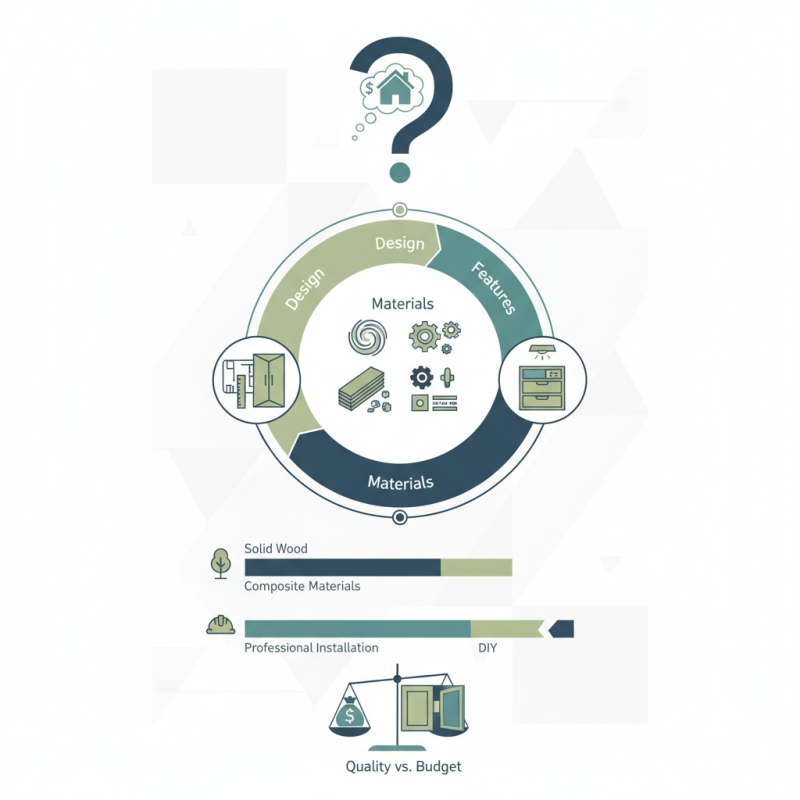
When considering custom kitchen cabinets, many homeowners ask, "What is the average cost of custom kitchen cabinets?" This question reveals complexities that affect pricing. According to industry expert Sarah Williams, "The cost can vary significantly based on design, materials, and features." Understanding these factors is essential for making informed decisions.
Custom kitchen cabinets are not just about aesthetics. They play a crucial role in defining kitchen functionality and style. Different wood types, finishes, and hardware can dramatically alter the price. For example, solid hardwood typically costs more than composite materials. Additionally, the intricacy of the design and craftsmanship also adds to the total expense.
Potential buyers often underestimate installation costs. Professional installation is vital for achieving desired results. While it may seem tempting to opt for DIY solutions, the risks can lead to costly errors. Familiarizing oneself with these varying elements will better equip homeowners to navigate the intricate world of custom kitchen cabinets. Balancing quality with budget is key, demanding careful consideration throughout the process.
When designing custom kitchen cabinets, the choice of materials is crucial.
Wood is a popular option. It offers warmth and can be customized in many ways. Hardwood like maple or oak is durable and attractive.
Plywood is also a good choice due to its resistance to warping. Each material comes with unique characteristics, influencing the overall cost and style of your cabinets.
MDF and particleboard are budget-friendly alternatives. They are less durable but can be finished to look appealing.
Consider transitioning between materials for a cost-effective solution. However, they may not hold up as well in humid environments.
Stainless steel cabinets provide a modern aesthetic and are easy to clean, yet their price can be prohibitive.
Knowing the pros and cons of each material is essential. Choosing a material should reflect your lifestyle and kitchen usage.
While wood may be beautiful, it could require more maintenance over time. Balancing aesthetics with durability and cost can be challenging.
Reflecting on these factors will guide a more informed choice for your custom cabinets.
Cabinet design complexity plays a crucial role in determining the overall cost of custom kitchen cabinets. Intricate designs, such as those featuring elaborate moldings or custom hardware, increase both material and labor expenses. Each detail adds time and effort during construction, which can significantly raise the final price. Homeowners should carefully consider how much complexity is feasible within their budget.
Simple designs are often more cost-effective. For instance, flat-panel doors and straightforward finishes can streamline the manufacturing process. However, opting for minimalism might not always yield the desired charm. It can sometimes lead to a more mundane appearance. A balance is necessary. Homeowners should weigh the value of aesthetics against their budget.
Customization also varies by style. Contemporary designs may require different materials compared to traditional ones. Each style has unique implications for cost. Thus, understanding design complexity is imperative for making informed decisions. Reflecting on personal preferences and financial realities can lead to better choices. Engaging with a designer may help clarify these complexities. The right guidance can illuminate potential pitfalls in cabinet design decisions.
Labor costs are a crucial factor influencing the overall expense of custom kitchen cabinets. In fact, according to the National Kitchen and Bath Association (NKBA), labor can account for nearly 30-40% of the total project costs. Skilled craftsmen are needed to design and assemble these cabinets, and their expertise is reflected in the rates charged. The average hourly wage for cabinetmakers ranges from $15 to $30, depending on experience and location.
Manufacturing custom cabinets also involves various specialized processes. For example, cutting, sanding, and finishing require multiple labor hours. A report from the Cabinet Makers Association (CMA) indicates that intricate designs and high-quality materials can extend production time significantly. Complex cabinets often need custom fittings, which directly impacts labor costs. Moreover, the need for precise measurements and adjustments can result in unexpected labor expenses.
Additionally, the choice of materials can influence labor intensity. High-end materials often necessitate more skilled labor for proper installation. Understanding these dynamics can help homeowners anticipate their budgets more effectively. Investing in quality craftsmanship might cost more upfront but can lead to greater satisfaction and longevity. Balancing these costs versus the benefits remains a key consideration in the custom cabinet journey.
The kitchen cabinet market experiences constant fluctuations due to various factors. Economic conditions play a major role. For instance, when the economy is thriving, demand for custom kitchen cabinets rises. Homeowners are willing to invest more in high-quality materials and finishes. This trend, however, can lead to increased prices as manufacturers struggle to keep up.
Another significant influence is design trends. Modern design favors sleek, minimalist lines. Cabinet styles that accommodate these trends often command higher prices. As materials evolve, options like eco-friendly woods and innovative hardware become popular. Homeowners appreciate their long-term value, but these materials may come with a steeper price tag.
Consumer preferences shift over time. The rise of open-concept homes increases the demand for custom cabinets that fit seamlessly into multifunctional spaces. This shift can lead to higher costs. Not every homeowner is ready for such an investment. These trends may create a disconnect between desires and budgets, forcing buyers to reconsider their options. Market dynamics remain unpredictable, challenging both consumers and manufacturers.
When considering custom kitchen cabinets, the choices you make can significantly affect your budget. Different styles, materials, and finishes play a crucial role in determining costs. For example, opting for hardwood can elevate the price due to its durability and aesthetic appeal. On the other hand, choosing plywood can be more budget-friendly. Each material has its advantages and disadvantages.
Customization options also include door styles and hardware selections. Shaker, slab, or raised panel doors all come with different price points. Unique hardware can add character but may increase expenses as well. It’s essential to strike a balance between visual appeal and budget constraints. Sometimes, a decision that seems small can lead to unexpected costs later.
Additionally, not every customization yields better value. Custom features might enhance functionality but may not always justify their price tag. For instance, pull-out shelves enhance accessibility but add to costs. Thoughtful consideration of each detail is crucial. Weighing the benefits against potential overspending can help refine your choices. Making informed decisions can lead to beautiful, functional results without unnecessary financial strain.
: Common materials include wood, plywood, MDF, and stainless steel. Each has unique qualities and costs.
Wood provides warmth and can be customized easily. Hardwood varieties like oak and maple are durable.
Plywood is resistant to warping and offers good strength for cabinets. It allows flexible design options.
They are budget-friendly but less durable. They may not perform well in humid environments.
Complex designs increase material and labor costs significantly. Simpler designs are often more budget-friendly.
Labor can account for 30-40% of total costs. Skilled craftsmen are essential and their rates vary by location.
Intricate designs can enhance aesthetics but may also lead to higher expenses. Balance is necessary for decisions.
Consider your personal style preferences and the overall budget. Engage with a designer for informed guidance.
More complex materials require experienced labor for installation, which can increase costs.
Yes, by choosing simpler designs and appropriate materials, you can better manage your budget and expectations.
When considering the question "What is the average cost of custom kitchen cabinets," various factors come into play that can significantly influence the final price. The types of materials used in custom cabinet manufacturing, such as plywood, solid wood, or engineered wood, are primary contributors to cost variations. Additionally, the complexity of the cabinet design can add to labor and material costs, as intricate designs typically require more skilled craftsmanship.
Labor costs also play a crucial role in determining the average cost of custom kitchen cabinets, encompassing not just fabrication but also installation. Furthermore, current market trends can impact prices, with demand fluctuations affecting material costs and availability. Finally, the range of customization options available allows homeowners to personalize their cabinets, but these choices can also lead to increased expenses. In summary, understanding these factors can help consumers better gauge what to expect when budgeting for custom kitchen cabinets.

Arico Home