When considering "What makes a kitchen layout ergonomic," experts assert that functionality and comfort are paramount. According to Dr. Helen Cheng, a leading kitchen design consultant, "A well-designed kitchen reduces strain and enhances efficiency." This highlights the importance of thoughtful layouts.
Ergonomic kitchen layouts focus on accessibility and ease of movement. They must accommodate various users, ensuring everyone can navigate the space comfortably. Counter heights, appliance placement, and storage solutions are key factors. Each element should support seamless workflows.
Yet, achieving this balance is challenging. Not all designs will suit every user. As lifestyles change, so do needs in the kitchen. Reflecting on common kitchen issues can lead to better layouts. Designers must consider diverse preferences while creating functional environments.
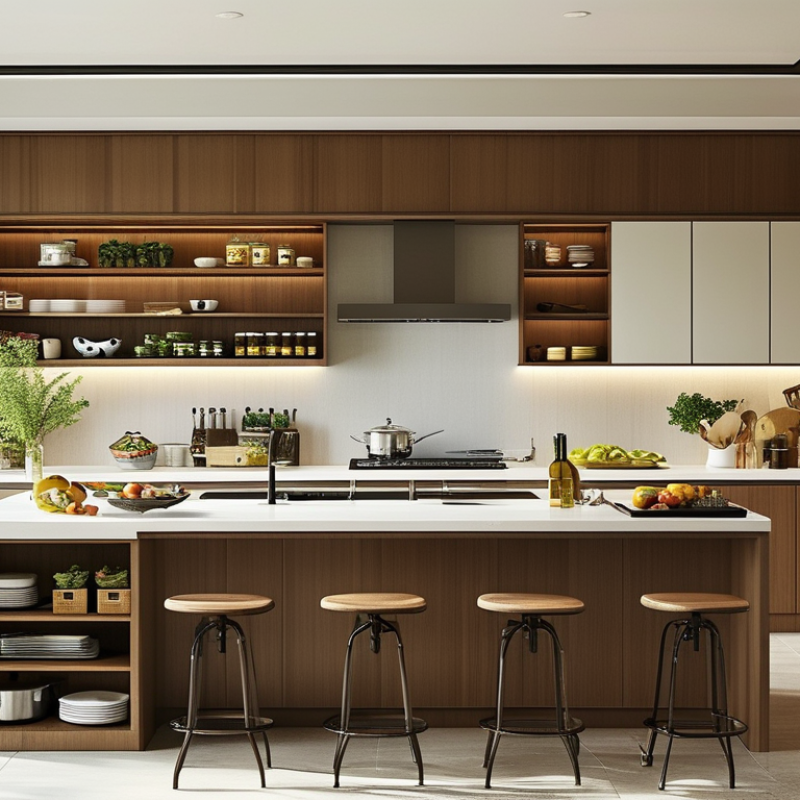
When considering the ergonomics of kitchen design, functionality is first and foremost. An ergonomic kitchen minimizes strain on the body. This can be achieved through thoughtful layout and appropriate workspace heights. Countertops should be at a comfortable height for different users. A standard height might not work for everyone. Adjustable surfaces can help meet varying needs.
Storage solutions also require attention. Shelves should be accessible without excessive bending or reaching. Deep cabinets can pose challenges; pull-out drawers are often a better choice. This design feature enhances convenience and reduces awkward movements.
Furthermore, the placement of appliances influences usability. An efficient workflow can be established by keeping frequently used items within easy reach. However, clutter and disorganized spaces can counteract these benefits. It’s crucial to maintain a balance between aesthetics and functionality. An ergonomic kitchen involves ongoing reflection and adaptation to better serve diverse lifestyles.
An ergonomic kitchen layout significantly enhances both functionality and user comfort. The primary elements include effective work zones, adequate storage solutions, and optimal access to tools. According to a report by the National Kitchen & Bath Association, kitchens designed with the work triangle—stove, sink, and refrigerator within a 22-foot radius—improve efficiency by over 30%. This design minimizes unnecessary movement, creating a more enjoyable cooking experience.
Accessibility and reach are critical to an ergonomic layout. For instance, incorporating pull-out shelves can reduce bending and reaching, which is essential for maintaining comfort and safety. The same report indicates that nearly 70% of kitchen injuries occur due to awkward movements. Designing counter heights to accommodate different users adds to this accessibility. While most kitchens favor standard heights, variability allows everyone to work comfortably.
Lighting and acoustics should not be overlooked. Adequate task lighting reduces eye strain and improves visibility, ensuring safety during food preparation. Research shows that bright, even lighting can enhance mood and productivity by 20%. However, some layouts neglect these aspects, leading to user frustration. Reflecting on these components can guide future improvements, making kitchens not just functional, but truly ergonomic.
A well-designed kitchen layout focuses on efficiency, accommodating users' diverse needs. According to the National Kitchen and Bath Association, 60% of respondents desire kitchens that emphasize practicality. Accessibility is crucial. Countertops should be within easy reach. This reduces strain and enhances functionality.
Proper layout can transform a kitchen into a hub of creativity. For instance, the work triangle principle suggests that the sink, stove, and refrigerator should form a triangle. This arrangement minimizes movement and maximizes workflow. However, many designs overlook this fundamental principle, causing frustration for users. A recent study showed that poorly configured layouts can lead to up to a 30% reduction in cooking efficiency.
Storage solutions must also adapt to global buyers. Incorporating pull-out shelves and deep drawers increases accessibility. Yet, some designs still rely on outdated cabinet layouts. This inconsistency can hinder usability. The ideal kitchen layout must evolve to meet modern demands. By focusing on efficient space utilization, designers can create truly functional kitchens.
| Kitchen Layout Type | User Convenience Rating (1-5) | Efficiency (Square Foot per User) | Common Features |
|---|---|---|---|
| Open Concept | 4 | 120 | Flexible island, integrated seating |
| L-Shaped | 4.5 | 100 | Efficient workflow, corner storage |
| U-Shaped | 5 | 90 | Ample counter space, multiple work zones |
| Galley | 3.5 | 80 | Compact, efficient use of space |
| Single Wall | 3 | 75 | Ideal for small spaces, minimal footprints |
Creating an ergonomic kitchen layout requires understanding diverse cooking styles and accessibility needs. Different cultures approach cooking in unique ways. Some prefer open spaces for communal cooking. Others require designated zones for specific tasks. Having a flexible layout accommodates these preferences.
Accessibility features play a crucial role. Lowered countertops can benefit those in wheelchairs. Pull-out shelves make items easier to reach. Adjustable light fixtures can help when working with different recipes. It’s essential to consider the height and reach of various users. Not everyone is the same height or has the same mobility.
Incorporating ergonomic elements should be carefully planned. Some designs may not accommodate all users. For example, a high shelf might limit access for shorter individuals. These flaws warrant reflection on how we design our kitchens. Practical layouts should prioritize comfort and efficiency for everyone.
Designing an ergonomic kitchen requires understanding cultural nuances. Different cultures have unique cooking styles and space requirements. For instance, Asian cuisine often involves tools that require ample counter space for preparation. In contrast, Mediterranean cooking emphasizes communal experiences, necessitating a layout that promotes interaction.
When planning kitchen layouts for global buyers, consider local habits. What may be practical in one region might not suit another. Ensure the placement of appliances aligns with how locals typically cook. Take into account the height of counters and cabinets; they should accommodate the average height of users in that culture.
Tips:
Focus on versatility. Use adjustable shelving to cater to varying preferences. Encourage the use of multi-functional furniture to maximize space. Consider specifying materials that are regionally favored for better acceptance. Providing clear instructions on assembly and use will enhance user satisfaction across cultures.
: A well-designed kitchen layout enhances efficiency and accommodates diverse user needs.
The work triangle connects the sink, stove, and refrigerator for minimal movement and maximum workflow.
Accessibility reduces strain and enhances functionality for all users, making kitchens more usable.
Incorporating pull-out shelves and deep drawers increases accessibility and usability in modern kitchens.
Different cultures have specific cooking styles, affecting layout preferences and spatial requirements.
A flexible layout can accommodate various cooking styles, promoting comfort and efficiency.
High shelves can limit access for shorter individuals; these aspects need reflection in design.
Adjustable shelving and lower countertops help all users reach items comfortably, accommodating height differences.
Local cooking habits and typical user heights should inform appliance placement for practical outcomes.
Versatile designs, like multi-functional furniture, maximize space and cater to varying needs across cultures.
A well-designed kitchen is essential for effective cooking and enjoyment, leading to the question, "What makes a kitchen layout ergonomic?" Understanding ergonomics in kitchen design requires a focus on several key elements, including spatial arrangement and accessibility. An ergonomic kitchen layout prioritizes efficient space utilization, ensuring that all users can move freely and comfortably while cooking. This involves strategic placement of work zones and frequently used items within easy reach.
In addition to spatial considerations, incorporating accessibility features is crucial to accommodate diverse cooking styles and cultural practices. This includes adjustable countertops, accessible storage, and user-friendly appliances. By taking into account cultural variations in cooking methods and preferences, global kitchen planning can further enhance the functionality and comfort of kitchens for a wide range of users. Ultimately, an ergonomic kitchen layout harmonizes efficiency, accessibility, and cultural relevance, creating a versatile space for all.

Arico Home