When it comes to maintaining the beauty of wooden furniture, scratches can be a significant nuisance. Learning **how to repair scratches on wooden surfaces** is crucial for preserving the elegance of your furniture. Expert craftsman David Miller emphasizes, "Understanding the materials is key to effectively addressing imperfections." His insights are invaluable for anyone facing this common issue.
Repairing these scratches requires a blend of patience and the right techniques. Minor scratches can often be concealed with simple methods like using a walnut or applying a wood wax stick. However, deeper gouges may need more attention. The process can be frustrating, but even small missteps can guide you toward better results.
It's vital to recognize that not every scratch can be entirely eliminated. Sometimes, the goal is to mitigate the damage and blend it into the surrounding surface. Accepting imperfections may lead to creative solutions, turning the repair process into a rewarding experience. Ultimately, mastering **how to repair scratches on wooden surfaces** not only restores your furniture but also enhances your skill set as a proud home caretaker.
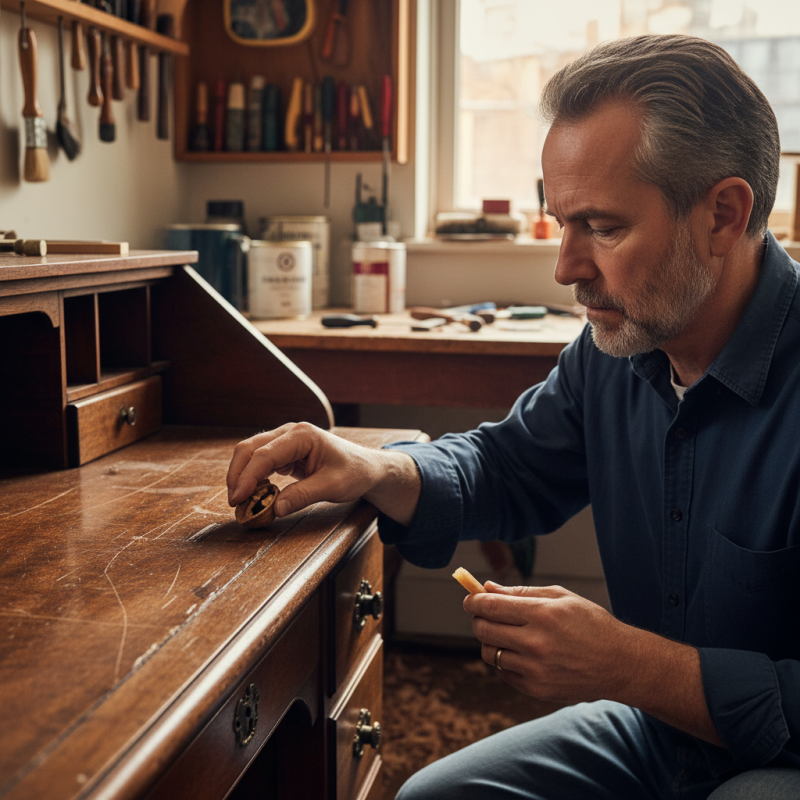
Understanding Different Types of Scratches on Wooden Furniture
When it comes to scratches on wooden furniture, understanding the types is essential. There are superficial scratches that only affect the finish, while deeper ones may penetrate the wood. Superficial scratches often appear as light lines. They can usually be addressed easily with a wood polish or a touch-up marker. These products are designed to blend with the wood grain and restore the finish.
Deeper scratches, on the other hand, require more effort. They may expose the bare wood, which can lead to further damage if not handled carefully. For these, consider using a wood filler that matches the wood tone. Apply it in layers, allowing each to dry completely before sanding it smooth. This process can be tedious and must be done meticulously to avoid an uneven surface. It's easy to rush these steps, but patience is crucial for a professional finish.
Sometimes, the result won't be perfect. A slight color mismatch or a remaining mark may linger. It's important to remember that every piece of furniture holds a story. These imperfections add character. Reflecting on the process can lead to a deeper appreciation for your furniture, imperfections and all.
Assessing the Severity of Scratches Before Repairing
Assessing the severity of scratches on wooden furniture is crucial for a successful repair. Different scratches require different approaches. A light scratch, for instance, might just need a simple touch-up with a wood marker. These scratches are often only on the surface and can be easily camouflaged. In contrast, deeper scratches might penetrate the wood's finish, requiring more extensive methods, like sanding and refinishing.
To evaluate the severity, start by running your fingers over the scratch. If it feels shallow, a quick fix is likely sufficient. If it feels deep or jagged, greater care is needed. Utilize good lighting to examine the scratch closely. Look for splintering wood or a lack of finish. These factors indicate a deeper issue that may require professional-grade tools. Remember, attempting a quick fix on a deep scratch may lead to further damage, causing regret later. Assessing your furniture's condition helps you choose the right repair method. Each scratch tells a story. Deciding how to address them reflects your valuing of the piece.
How to Effectively Repair Scratches on Wooden Furniture? - Assessing the Severity of Scratches Before Repairing
| Scratch Severity |
Description |
Recommended Repair Method |
Estimated Time for Repair |
| Minor Scratches |
Superficial marks that do not penetrate the finish. |
Use a furniture polish or scratch cover pen. |
5-10 minutes |
| Moderate Scratches |
Scratches that reach the wood surface but are not deep. |
Apply a wood filler and sand smooth, then refinish. |
30-60 minutes |
| Deep Scratches |
Cuts that penetrate deeply into the wood, affecting its integrity. |
Consider sanding down the area and applying a stain or complete refinish. |
1-2 hours |
| Structural Damage |
Severe damage that may compromise the furniture's safety. |
Professional repair or replacement may be necessary. |
Varies |
Step-by-Step Guide to Repair Shallow Scratches
Every homeowner knows that scratches on wooden furniture are inevitable. However, repairing shallow scratches can be a simple process. Gather your materials first. You’ll need a soft cloth, some wood polish or oil, and a matching wood stain if necessary. Start by cleaning the scratched area with the cloth to remove dust.
Next, assess the scratch. If it’s really shallow, a little polish might be all you need. Apply it gently, following the grain of the wood. You should see an immediate improvement, but sometimes the scratch remains visible. In such cases, you can use wood stain. Just be cautious with color matching. Testing on a hidden area helps avoid mismatches.
After applying the stain, blend it carefully with a soft cloth. Patience is key here. You may find that the color doesn’t fully blend in immediately. Multiple applications might be necessary, and that’s okay. It’s a learning experience. Each scratch tells a story, and sometimes, the imperfections add character to your furniture. Remember, not every attempt will yield perfect results, but that’s part of the charm of DIY repairs.
Techniques for Fixing Deep Scratches on Wood
Deep scratches on wooden furniture can be frustrating. However, various techniques can help restore its original beauty. One effective method is to use a mixture of vinegar and olive oil. This combination can nourish the wood while hiding minor imperfections. Apply it with a soft cloth, rubbing gently along the scratch. Afterward, buff it to enhance the shine.
For deeper scratches that penetrate the surface, consider using wood filler. Fill the scratch carefully, ensuring you follow the grain direction of the wood. After it dries, sand it lightly to create a smooth finish. This process can take time, but the outcome is often rewarding. Rushing may lead to an uneven appearance.
Another technique involves using a crayon that matches the wood color. Rub the crayon over the scratch. This simple solution can surprisingly blend well. However, it may not last as long as other methods. Patience and practice are key when repairing scratches. Each piece of furniture is unique, and some techniques might not work for everyone. Experiment to find what suits your needs best.
Techniques for Fixing Deep Scratches on Wood
Preventing Future Scratches on Your Wooden Furniture
Preventing future scratches on your wooden furniture is crucial for maintaining its beauty and longevity. Simple practices can go a long way. Start by using coasters. These protect surfaces from hot or cold drinks and prevent scratches from glass or ceramic materials. Even a small cup can leave a mark.
Another effective strategy is placing felt pads under objects. Whether it's vases or lamps, these pads act as a buffer. They are easy to apply and relatively inexpensive. Regularly check and replace worn-out pads, as they can lose their effectiveness over time.
Finally, be mindful of the activities around your furniture. Kids may be playful, and pets can scratch unintentionally. Consider designating specific areas for play or using washable blankets to minimize damage. Recognizing these factors helps build a proactive approach to furniture care. While it’s challenging to prevent every scratch, taking these precautions significantly reduces the risk.
FAQS
: Superficial scratches only affect the finish and appear as light lines. They are easy to address.
Use wood polish or a touch-up marker. These products restore the finish and blend with the wood grain.
Deeper scratches may expose bare wood. This can lead to more damage if not repaired carefully.
Use a matching wood filler. Apply it in layers and allow drying between applications. Sand it smooth afterward.
Patience is crucial for a professional finish. Rushing may lead to an uneven surface or mismatched colors.
Yes, repairs might not be perfect, and slight mismatches may occur. These imperfections can add character to the piece.
You will need a soft cloth, wood polish or oil, and possibly a matching wood stain for blending.
Yes, matching the color accurately is important. Test on a hidden area to avoid mismatches and ensure a good repair.
Not every repair will yield perfect results. Some may remain visible, but that's part of the charm of DIY projects.
Embrace the imperfections, as they tell a story. Reflecting on them can lead to a deeper appreciation for your furniture.
Conclusion
This article provides a comprehensive guide on how to repair scratches on wooden surfaces, focusing on various aspects of scratch damage. It begins with an understanding of different types of scratches, helping readers identify whether they are shallow or deep. The article emphasizes the importance of assessing the severity of scratches before embarking on any repair efforts, ensuring that the chosen method is appropriate for the damage.
The step-by-step guide for repairing shallow scratches includes using household products such as oils or wax for easy fixes, while techniques for fixing deep scratches involve more detailed methods, such as wood filler or sanding. Additionally, the article offers practical tips for preventing future scratches, ensuring the longevity of your wooden furniture. By following these guidelines, readers can effectively maintain the aesthetic appeal and durability of their wooden surfaces.

 Arico Home