Cleaning grease off kitchen cabinet doors can be a daunting task. According to home cleaning expert Jennifer Adams, "The best way to maintain your kitchen is to keep it clean and grease-free." Many homeowners struggle with stubborn grease buildup. It can cloud the beauty of your cabinets and even contribute to unpleasant odors.
Understanding how to clean grease off kitchen cabinet doors is essential for every home cook. Regularly addressing this issue helps preserve the wood finish and overall appearance. It's not as simple as wiping it down; grease often requires specific techniques and products. In fact, some common methods may even damage the cabinet surface if not done carefully.
Every kitchen has unique challenges, from the type of cabinet material to the extent of grease accumulation. Don't be discouraged if the first attempt doesn't yield perfect results. Instead, reflect on what worked and what didn't. Experiment with different cleaning solutions and techniques. This approach can lead to discovering the most effective way to restore your cabinets to their original shine.
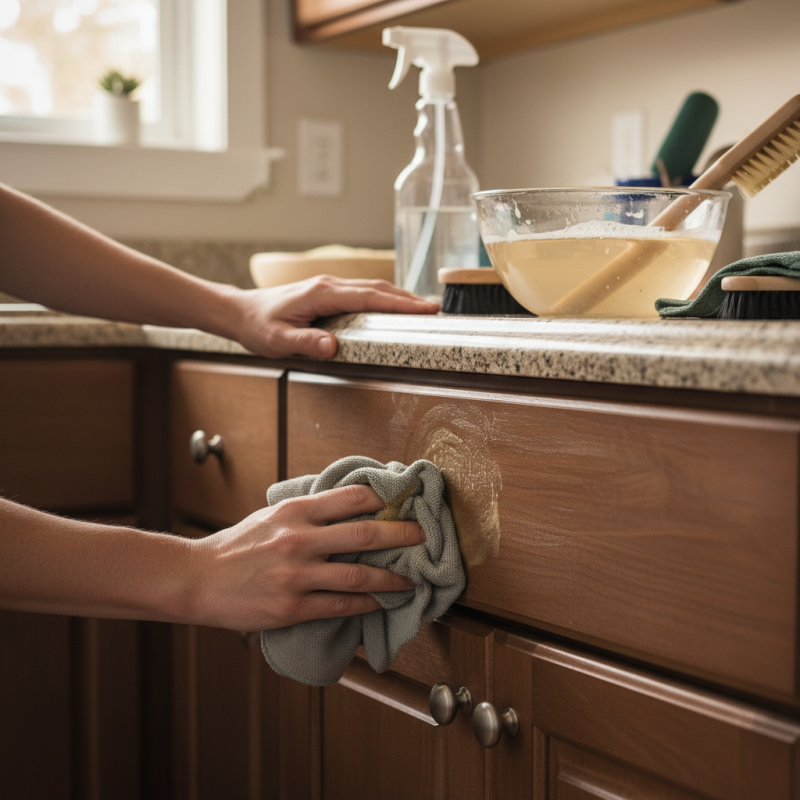
Kitchen grease is a pervasive issue in many homes. It builds up over time on cabinet doors, making them appear dull and grimy. Understanding kitchen grease is essential for effective cleaning. Grease originates from cooking oils, food splatters, and even steam from boiling pots. These substances can create a sticky film that attracts dust and dirt. Furthermore, studies indicate that grease residues can become a breeding ground for harmful bacteria, posing a health risk for families.
The American Cleaning Institute states that nearly 60% of homeowners struggle with oil and grease stains. Such stains require more than just water and a sponge. Professional cleaners often recommend using solutions that can break down these oils. A mixture of vinegar and baking soda or a commercial degreaser can be effective. However, it's crucial to consider that aggressive scrubbing may damage finishes on cabinet doors. Always test a small area first.
Cleaning grease off kitchen cabinets also involves an understanding of lingering odors. Grease can absorb scents from the kitchen, contributing to an unpleasant environment. This can be particularly challenging for those who cook frequently. A deeper clean not only freshens the kitchen but also enhances its overall appearance. Remember, neglecting these tasks can lead to tougher stains and more intensive cleaning sessions later on.
: Kitchen grease comes from cooking oils, food splatters, and steam. It creates a sticky film on surfaces.
Use a mixture of vinegar and baking soda. A commercial degreaser may also work, but test a small area first.
Harsh chemicals can degrade finishes over time. Use gentle solutions like vinegar and warm water instead.
A microfiber cloth is recommended. It captures dirt effectively without scratching cabinet surfaces.
Regular cleaning is essential. Consider cleaning after cooking to prevent grease buildup.
Yes, grease can be a breeding ground for harmful bacteria, posing a health risk to families.
Grease absorbs scents from cooking, leading to unpleasant kitchen odors. A deep clean can help freshen the space.
Neglect can lead to tough stains, discoloration, and damage that requires intensive cleaning later on.
Cabinet liners protect surfaces from spills and stains. They make cleaning easier and help maintain shine.
Yes, quick touch-ups every few weeks can prevent more significant issues and keep cabinets looking fresh.
In the process of understanding how to clean grease off kitchen cabinet doors, it's essential to first recognize the nature of kitchen grease, which can accumulate from cooking and food preparation. This accumulation can not only tarnish the aesthetics of your cabinets but also lead to potential hygiene issues. To effectively tackle this problem, having the right tools and materials—such as mild detergents, sponges, and microfiber cloths—is crucial.
The cleaning process involves a step-by-step approach to ensure that all grease is removed without damaging the cabinet surfaces. Additionally, incorporating tips for preventing grease build-up, such as regular maintenance and cleaning routines, can help keep your kitchen looking its best. By following best practices for maintaining clean surfaces, homeowners can enjoy a tidy and appealing kitchen environment.

 Arico Home