How to Clean Grease Off Kitchen Cabinet Doors Easily

Time:2026-09-20 Author:Henry
0%

Grease on cabinet doors can turn a bright kitchen dull, sticky, and surprisingly difficult to manage. Learning how to clean grease off kitchen cabinet doors starts with identifying the finish, not grabbing the strongest cleaner. Painted wood, laminate, thermofoil, and natural wood can react differently. A method that shines on one surface may leave another cloudy or damaged.

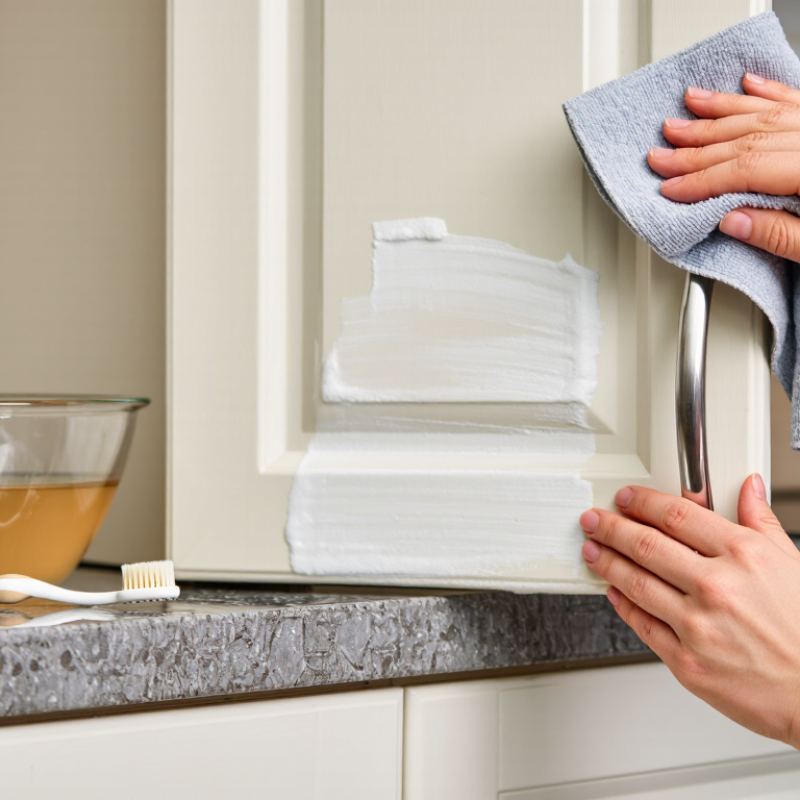
Melissa Homer, a professional cleaning expert and Chief Cleaning Officer at MaidPro, offers a useful reminder: “The best cleaning products are the ones you use correctly.” That principle matters here. Begin with warm water, a small amount of dish soap, and a soft microfiber cloth. Wring the cloth carefully. Excess water can enter cabinet seams, loosen edges, or swell unfinished wood. Work in small sections, especially around handles where fingerprints mix with cooking oil.

A soft toothbrush can reach narrow grooves. Use it gently. For stubborn buildup, let the soapy solution sit briefly before wiping. Do not scrub aggressively. I have sometimes treated grease like a stain that needs force, but that approach can create dull patches and fine scratches. Patience works better, though it feels slower.

This guide explains how to clean grease off kitchen cabinet doors without relying on harsh chemicals or guesswork. It also covers spot testing, rinsing, drying, and choosing safer tools for different finishes. Check the manufacturer’s care instructions when available. A small hidden test can prevent a costly mistake. Clean cabinets should feel smooth, look even, and remain protected after the grease disappears.
How to Clean Grease Off Kitchen Cabinet Doors Easily

Identify the Grease Type and Choose a Safe Cleaning Method

Grease on cabinet doors is not always the same. Fresh cooking oil usually feels slippery and leaves a shiny film. Older grease may feel sticky, yellow, or slightly gritty because dust has bonded to it. Near a stove, heat can harden the residue into a thin, waxy layer. Identifying the buildup matters. A strong cleaner may remove grease quickly but damage paint, wood, or laminate.

Start with a soft cloth and warm water mixed with a small amount of mild dish soap. Test the solution inside an edge or hidden corner. Wait until the area dries. If the finish remains unchanged, wipe one small section at a time. Use gentle circular strokes, then remove soap with a clean damp cloth. Dry the door immediately, especially around seams and hinges. Do not soak unfinished wood.

For hardened grease, place a warm, damp cloth over the spot for several minutes. This softens the film without aggressive scraping. A plastic scraper can help, but use almost no pressure. Avoid abrasive powders, rough sponges, and untested solvents. Never mix cleaning products, particularly chlorine-based products with acidic cleaners. Ventilate the room and wear gloves if your skin is sensitive.

I once scrubbed a painted door too firmly and created a dull patch. That mistake changed my method. Patience works better than force, although it feels slower. If the surface becomes tacky, cloudy, or discolored, stop and use plain water. Some cabinet finishes are already weakened by heat, age, or repeated cleaning.

Prepare the Cabinet Surface and Cleaning Supplies

Before cleaning kitchen cabinet doors, inspect the surface in bright, natural light. Grease often hides around handles, lower corners, and raised panel edges. Check whether the doors are painted wood, laminate, or unfinished timber. These materials can react differently to moisture and cleaning solutions.

Test first.

Choose a small area behind an edge or near a hinge. Apply a diluted solution of warm water and mild dish soap with a soft cloth. Wait briefly, then check for fading, swelling, or a sticky finish. I once used too much water on a cabinet seam, and the edge lifted slightly. That mistake taught me to control moisture carefully. Remove handles when practical, and keep screws in a labeled container. Dust the doors before adding water, since loose grit can scratch the finish.

Prepare two microfiber cloths, a soft toothbrush, a small bowl, disposable gloves, and a dry towel. Use one cloth for cleaning and the other for immediate drying. For hardened grease, keep a plastic scraper nearby, but avoid metal tools. Ventilate the room, especially when using a stronger degreasing solution. Never mix cleaning chemicals. Keep it simple. Work on one door at a time, beginning with the least visible surface. If the cloth becomes brown or sticky, rinse it often instead of spreading residue. Inspect the finish again before continuing across the entire cabinet.

How to Clean Grease Off Kitchen Cabinet Doors Easily

Prepare the Cabinet Surface and Cleaning Supplies

This example preparation plan estimates the time needed for each step before cleaning greasy cabinet doors. Clearing the work area, removing hardware, and preparing a mild cleaning solution help make the cleaning process safer and more organized.

Remove Loose Grease Before Applying Cleaner

How to Clean Grease Off Kitchen Cabinet Doors Easily

Remove loose grease before applying cleaner. This small step prevents oily residue from spreading across the cabinet surface. I use a dry microfiber cloth and gently lift the thickest film first. A plastic scraper can help with hardened spots, but sharp tools may scratch paint or laminate. Work from the upper doors downward, so loosened grease does not soil cleaned areas.

The U.S. Fire Administration identifies cooking as the leading cause of reported home fires and home fire injuries. The National Fire Protection Association estimated 158,400 home cooking fires each year from 2017 to 2021. Grease on nearby doors is not usually the main fuel, but it can collect around heat sources. Careful removal matters.

After the loose layer is gone, mix warm water with a small amount of mild dish detergent. Dampen the cloth, rather than soaking the door, and wipe in short strokes. Follow with a clean, barely damp cloth, then dry immediately. Test the solution inside a corner first. Some finishes react badly.

Do not spray cleaner directly near hinges or electrical appliances.

I sometimes use too much water when grease feels stubborn. That usually creates more work. Repeat gently instead. For textured doors, use a soft toothbrush around grooves, changing the cloth when it becomes slick. Clean ventilation filters regularly, because airborne cooking grease can settle back onto cabinets.

Clean Cabinet Doors Without Damaging Their Finish

How to Clean Grease Off Kitchen Cabinet Doors Easily

Grease usually gathers around handles, corners, and the lower edge of each door. I use a soft microfiber cloth, warm water, and a few drops of mild dish soap. The cloth should feel damp, not wet. Too much water can enter seams and swell wood-based panels. I learned that mistake after leaving a soaked cloth on one door.

Test the solution inside a hinge area first. Painted surfaces, wood veneer, and laminate can react differently. Wipe in the direction of the grain, then remove residue with a clean, damp cloth. Dry the surface immediately. Avoid scouring pads, powdered cleaners, steam, bleach, and ammonia. These may dull protective coatings or soften the finish. The Kitchen Cabinet Manufacturers Association recommends following the cabinet maker’s care instructions, because finish systems vary widely.

Ventilation also matters. The U.S. Environmental Protection Agency reports that indoor pollutant levels can be two to five times higher than outdoor levels. Open a window before using any stronger cleaner. Never mix cleaning chemicals. For thick grease, place the soapy cloth over the spot for thirty seconds, then lift the soil gently. Do not scrape it. I sometimes repeat this process instead of increasing chemical strength. It takes longer, but the finish usually looks better. A dry white cloth can reveal leftover haze around the handle.

How to Clean Grease Off Kitchen Cabinet Doors Easily - Clean Cabinet Doors Without Damaging Their Finish

Cabinet Surface or Finish Recommended Cleaning Mix Suitable Tool Application Time Cleaning Method Finish-Safety Notes
Painted wood Warm water with a small amount of mild dish detergent Soft microfiber cloth 1–2 minutes Wipe with a damp, well-wrung cloth, then wipe again with clean water and dry immediately. Avoid soaking the door, especially around joints and edges, because excess moisture can affect wood and paint.
Sealed or varnished wood Warm water and mild dish detergent Soft cloth or non-abrasive sponge 2–3 minutes Work in small sections, wiping in the direction of the wood grain. Remove residue and dry the surface. Do not use abrasive powders, steel wool, or aggressive scrubbing, which may dull or scratch the protective coating.
Thermofoil or laminate Warm water with mild dish detergent Microfiber cloth 1–2 minutes Gently wipe the greasy area, using a clean section of the cloth as soil transfers. Keep water away from seams and lifted edges. Avoid high heat, steam, and abrasive cleaners.
Unfinished wood A barely damp cloth with diluted mild detergent Soft cotton or microfiber cloth Clean immediately Test first in a hidden area, wipe lightly, and dry at once with a separate cloth. Unfinished wood absorbs moisture and grease more readily. Avoid leaving any liquid on the surface.
Glass-front cabinet doors Warm water with a small amount of mild dish detergent Microfiber cloth or soft glass-cleaning cloth 1 minute Apply cleaner to the cloth rather than directly onto the door, then wipe and dry the glass. Prevent liquid from entering the frame, joints, hardware, or door edges.
Metal cabinet hardware Warm water with mild dish detergent Soft cloth or soft toothbrush for crevices 1–2 minutes Wipe handles and hinges carefully, then dry thoroughly to limit moisture exposure. Avoid vinegar, bleach, abrasive cleaners, and prolonged soaking unless the hardware instructions allow them.
General Safety Guidelines: Test any cleaning solution on a hidden area first, use the least aggressive method that removes the grease, keep cloths damp rather than wet, and dry cabinet doors promptly. Never mix bleach with ammonia, acids, or other household cleaners.

Rinse, Dry, and Prevent Grease Buildup Naturally

Grease settles on cabinet doors as a thin, sticky film, especially near the cooktop. I start with warm water, a few drops of mild dish soap, and a soft microfiber cloth. I wring the cloth well, then wipe with the grain or cabinet lines. Scrubbing hard can dull the finish. Test a hidden corner first.

Rinsing matters more than many cleaning guides admit. Soap left behind can attract fresh dust and cooking oil. I use a second cloth dampened with clean water, then wipe every edge and handle. Dry the doors immediately with a clean towel. Do not let water sit around seams. Natural cleaners are not automatically safer for finishes. Vinegar may damage some coatings, while baking soda can leave fine scratches.

The U.S. Environmental Protection Agency reports that indoor pollutant levels can be two to five times higher than outdoors, making ventilation useful during cooking. The National Fire Protection Association recorded cooking as the leading cause of home fires from 2017 to 2021, linked to 53% of reported home structure fires. Grease control deserves attention. I now wipe splashes after meals, wash the range hood filter as directed, and keep cabinet handles clean. I still miss corners sometimes. A weekly inspection catches that neglected, slightly tacky strip above the stove.

FAQS

How can I identify the type of grease on a cabinet door?

Fresh oil feels slippery and leaves a shiny film. Older grease may feel sticky, yellow, or gritty. Heat can create a thin, waxy layer.

What cleaning solution is safest for most cabinet finishes?

Mix warm water with a small amount of mild dish soap. Use a soft microfiber cloth. Test the solution on a hidden edge first.

Why should I test the cleaner before wiping the whole door?

Paint, wood, laminate, and unfinished timber react differently. Check for fading, swelling, cloudiness, or stickiness after drying. Test first.

How should I clean grease around handles and cabinet seams?

Remove handles when practical and store the screws in a labeled container. Use a soft toothbrush around edges. Dry seams immediately.

How can I remove hardened grease without damaging the finish?

Place a warm, damp cloth over the spot for several minutes. This softens the greasy film. A plastic scraper may help with almost no pressure.

Should I use vinegar, baking soda, or abrasive sponges?

Not automatically. Vinegar can damage some coatings, while baking soda may leave fine scratches. Avoid rough sponges, powders, metal tools, and untested solvents.

Why is rinsing important after using soapy water?

Soap residue can attract fresh dust and cooking oil. Wipe with a second cloth dampened with clean water. Dry the door immediately.

What should I do if the cabinet becomes cloudy, tacky, or discolored?

Stop cleaning and use plain water. The finish may already be weakened by heat, age, or repeated cleaning. I once scrubbed too firmly and created a dull patch.

How can I prevent grease from building up again?

Wipe splashes after meals and clean handles regularly. Inspect the strip above the stove each week. I still miss corners sometimes.

What safety steps matter during cabinet cleaning?

Never mix cleaning products, especially chlorine-based and acidic products. Ventilate the room and wear gloves if your skin is sensitive. Keep moisture controlled.

Conclusion

Learning how to clean grease off kitchen cabinet doors begins with identifying the type of buildup and choosing a method that matches the cabinet’s material and finish. Start by checking for painted, sealed, laminated, or unfinished surfaces, then gather soft cloths, warm water, a mild cleaning solution, and a non-abrasive sponge. Protect nearby countertops and hardware, and test the solution on a hidden area before cleaning the entire door.

Remove loose grease and dust first so they do not spread during washing. Work gently in small sections, following the wood grain when appropriate, and avoid soaking the doors or using rough tools that could dull, scratch, or loosen the finish. After cleaning, wipe away residue with a clean, damp cloth and dry every surface thoroughly, especially around edges and hinges. Regularly wiping splashes, improving ventilation, and cooking with lids can help prevent grease from building up again.

Henry

Henry

Henry is a dedicated marketing professional with a profound expertise in the company's offerings. With years of experience in the industry, he possesses an impressive understanding of the market dynamics and consumer behaviors that drive success. Henry is committed to sharing his insights through......