When considering a kitchen remodel, one of the key queries homeowners face is, "What is the average cost of custom kitchen cabinets?" Understanding this cost can significantly influence design decisions. Renowned cabinetry expert, John Smith, once stated, "Investing in custom cabinets pays off in both functionality and aesthetics." This highlights the value of tailored cabinetry solutions.
Custom kitchen cabinets vary widely in price based on materials, design complexity, and craftsmanship. A basic understanding of these factors can empower homeowners in their budgeting process. Many may find it daunting to determine the final cost. It’s essential to approach this inquiry with a clear vision of your kitchen's goals.
Reflecting on various projects, I’ve learned that costs can fluctuate dramatically. Factors such as wood species and finish techniques play an important role. While some find the prices discouraging, investing in quality cabinets often enhances a home's overall value. Ultimately, navigating these costs isn't just about dollars—it's about creating a space that inspires daily living.
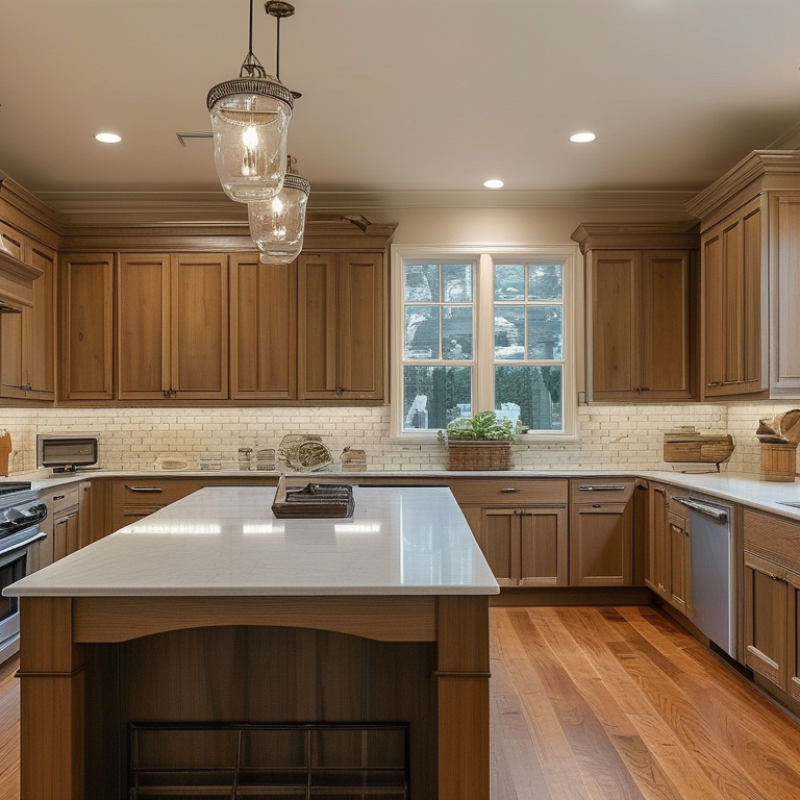
Understanding the Key Factors Influencing Custom Kitchen Cabinet Costs
When considering the cost of custom kitchen cabinets, several key factors play a crucial role. The choice of materials is vital. Wood types can significantly affect the final price. High-quality hardwoods offer durability but come with a higher price tag. On the other hand, less expensive materials like particleboard may save money but lack longevity.
The complexity of the design is another important factor. Intricate details, such as custom molds or specialized finishes, increase labor costs. Simple designs may allow for lower costs, yet they may not fulfill aesthetic desires. Craftsmanship also varies. Skilled artisans deliver superior results but at a premium. Reflecting on your needs can help balance quality with budget.
Lastly, the size and layout of the kitchen influence total expenses. Larger spaces need more materials and labor. Small kitchens might save money, but lack of space can limit design options. It's essential to evaluate how each element affects your overall vision while remaining aware of potential pitfalls in quality and cost.
Comparing Material Types and Their Impact on Pricing for Cabinets
When considering custom kitchen cabinets, material choice significantly affects overall pricing. Wood options, such as oak or maple, offer durability but often come at a higher cost. Plywood and MDF are budget-friendly alternatives, yet may lack the longevity of solid wood. The finish also matters—stained vs. painted surfaces can lead to different price points.
Specialty materials, like bamboo or reclaimed wood, add unique character but can raise expenses. Some homeowners desire a modern stainless steel look, which might fit their style but also escalate costs. The ongoing maintenance of these materials is another factor to ponder. Regular upkeep can influence the long-term value of your investment.
Don't overlook installation costs, which vary based on material type. Some materials require skilled labor for installation, adding to the budget. It's crucial to weigh aesthetics against practicality when making your selections.
Exploring various materials helps create a kitchen that fits your needs without overspending. Each choice presents an opportunity for reflection and reassessment of your priorities.
Labor Costs: Estimating Installation Fees for Custom Cabinets
Labor costs play a crucial role in the overall expense of custom kitchen cabinets. According to the National Kitchen and Bath Association (NKBA), cabinet installation labor can account for 25% to 35% of the total project cost. This percentage reflects the skilled craftsmanship required for precise cuts and proper installation techniques.
Installation fees can vary widely. Many contractors charge hourly rates ranging from $50 to $150 per hour. A typical kitchen remodel often requires 10 to 20 hours of labor. Thus, homeowners might expect to pay between $500 and $3,000 just for the installation phase. The complexity of the cabinet layout also impacts these costs. L-shaped or U-shaped kitchens generally involve more intricate installations.
Moreover, geographical location plays a significant role in labor costs. Urban areas often have higher rates due to increased demand and higher living costs. Homeowners should obtain multiple quotes to ensure they are being charged fairly. This practice helps identify any outliers in pricing. While it is tempting to select the lowest bid, it is crucial to consider the quality of workmanship offered. A cheaper installation may lead to issues down the line, prompting costly repairs. Ensuring quality now can prevent headaches later.
How to Determine the Average Cost of Custom Kitchen Cabinets? - Labor Costs: Estimating Installation Fees for Custom Cabinets
| Cabinet Type |
Material Cost (per linear foot) |
Labor Cost (per hour) |
Estimated Installation Time (hours) |
Total Cost Estimate |
| Traditional Wood |
$150 |
$50 |
8 |
$650 |
| Contemporary MDF |
$120 |
$45 |
6 |
$360 |
| Shaker Style |
$140 |
$55 |
7 |
$495 |
| Rustic Barnwood |
$160 |
$60 |
9 |
$690 |
| Modern Acrylic |
$180 |
$65 |
10 |
$850 |
Evaluating Design Complexity and Its Effect on Overall Costs
When evaluating the cost of custom kitchen cabinets,
design complexity plays a significant role. According to industry studies, the more intricate
the design, the higher the cost. Simple cabinets might range from $100 to $200
per linear foot, while complex designs can easily exceed $500
per linear foot. This disparity reflects the time and skill required for detailed craftsmanship.
Materials also influence design complexity. High-end finishes and unique materials can add to the overall price.
For instance, custom cabinetry often involves specialized wood types and finishes, which can increase costs by
up to 30%. Additionally, consider the cost of hardware and installation, which varies based on
design features. A kitchen with sophisticated features like crown molding or custom shelving may incur higher
labor costs, increasing the final bill.
Overall, understanding design complexity is crucial for budgeting. It’s essential to balance your vision
with practical considerations. Not every design choice guarantees a return on investment. You may find that
simpler designs can provide functionality and style without unnecessary expenses.
The key lies in making informed decisions, considering both aesthetics and budget constraints.
Budgeting Tips: How to Plan Financially for Custom Kitchen Cabinets
When planning for custom kitchen cabinets, budgeting is crucial. According to a survey by the National Kitchen and Bath Association, homeowners typically spend between $5,000 to $20,000 on cabinetry alone. This range reflects various styles, materials, and finishes. Understanding these costs helps in making informed decisions.
Start by assessing your needs. Consider the size and complexity of your kitchen. A smaller kitchen may require fewer materials, resulting in lower costs. However, a larger space could necessitate bespoke solutions that often drive up prices. Quality also plays a vital role; opting for durable materials may increase your upfront costs but offer long-term savings.
Reviewing costs can sometimes lead to tough choices. You might need to prioritize key features over aesthetic upgrades. For example, solid wood frames enhance durability but come at a premium. Gathering quotes from different contractors can also provide a clearer picture of what your budget should encompass. Keep in mind that unexpected expenses often arise during renovations. Setting aside an additional 10% to 20% of your budget can help absorb these surprises.
Average Cost of Custom Kitchen Cabinets
FAQS
: Several factors impact costs, including materials, design complexity, craftsmanship, and kitchen size.
High-quality hardwoods are expensive but durable. Cheaper materials like particleboard save money but lack longevity.
Intricate designs increase labor and material costs. Simple designs may be cheaper but risk not meeting aesthetic needs.
Labor can account for 25% to 35% of total costs. Installation typically ranges from $500 to $3,000, depending on complexity.
Understand your needs and kitchen size first. Set realistic budgets based on materials and potential unexpected costs.
It ensures fair pricing and reveals the quality of craftsmanship. Don't just choose the lowest bid without considering quality.
Renovations often bring surprises. Setting aside an additional 10% to 20% of your budget can cover these costs.
Yes, smaller kitchens often need fewer materials. However, limited space can restrict design options significantly.
Investing in durable materials may increase initial costs but can lead to long-term savings through lower maintenance needs.
Urban areas tend to have higher labor costs due to demand and living expenses. This can significantly impact overall project costs.
Conclusion
When planning a kitchen renovation, one of the most frequently asked questions is, "What is the average cost of custom kitchen cabinets?" This cost is influenced by several key factors including material types, which play a significant role in determining overall pricing. Fundamental materials range from plywood to solid wood, each affecting both aesthetics and budget.
Additionally, labor costs for installation must be considered, as skilled craftsmanship can elevate expenses. The complexity of the design also influences pricing; intricate layouts and custom fittings add to both material and labor costs. To effectively budget for custom kitchen cabinets, homeowners should factor in all these elements, ensuring a well-rounded financial plan that accommodates their desired style and functionality.

 Arico Home