When deciding between MDF and solid wood cabinets, understanding the core differences is essential. MDF, or medium-density fiberboard, is an engineered wood product made from wood fibers. In contrast, solid wood comes from trees and boasts natural beauty. According to cabinetry expert, Sarah Johnson, "Choosing between MDF and solid wood requires careful consideration of your design goals."
The question "What is the difference between MDF and solid wood cabinets?" is not just about materials; it encompasses durability, cost, and aesthetics. Solid wood cabinets bring warmth and character to a space. They are resilient but may warp in high humidity. MDF cabinets provide a smoother finish and are typically more affordable.
However, they are less durable in heavy-use areas. The choice can often reflect personal style preferences, budget constraints, and functional needs. While MDF may suit modern designs well, solid wood is favored for classic and timeless interiors. Ultimately, reflection on these distinctions leads to a more informed decision.
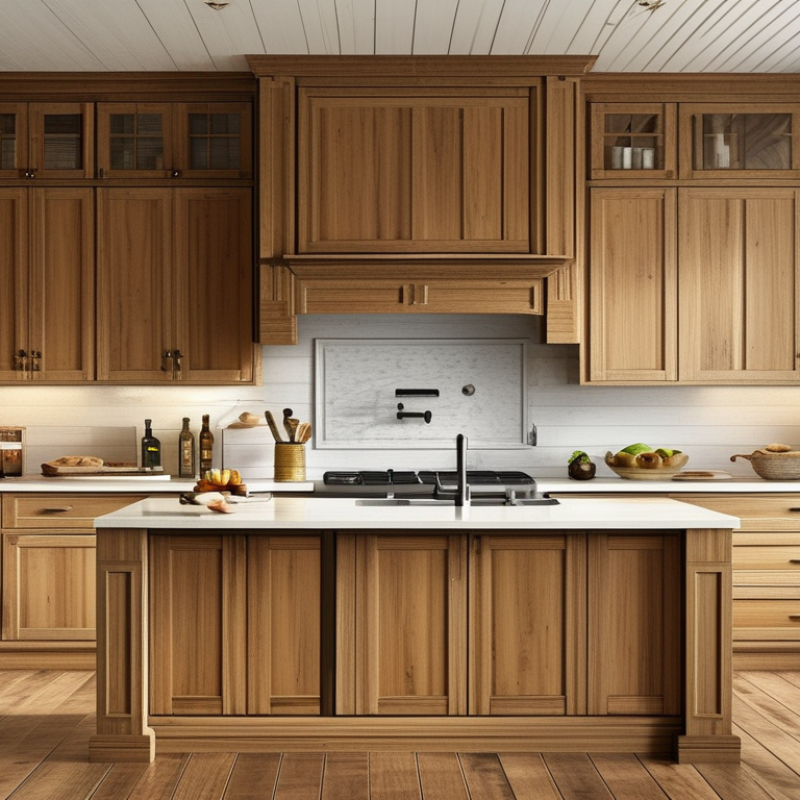
Understanding MDF: Characteristics and Benefits
Medium Density Fiberboard (MDF) has become a popular choice for cabinets due to its unique characteristics. MDF is made from wood fibers and adhesives, offering a smooth, even surface. This makes it ideal for intricate designs and modern finishes. Unlike solid wood, MDF is less prone to warping or cracking. This stability is particularly important in humid environments like kitchens and bathrooms.
Another advantage of MDF is its cost-effectiveness. Homeowners often find it more affordable than solid wood options. This affordability does not compromise aesthetics. MDF can be painted or veneered to achieve a polished look. However, it lacks the natural grain and texture of solid wood, which some people may prefer. Also, while MDF is resistant to changes in humidity, it is not as durable as solid wood.
It’s essential to consider where and how you plan to use MDF cabinets. While they are suitable for many applications, they may not hold up in high-impact situations. Refinishing MDF can also be more challenging than solid wood. Understanding these nuances can help you make an informed decision. Careful consideration of your specific needs will lead to a better choice for your space.
Exploring Solid Wood: Key Features and Advantages
When considering kitchen cabinetry, solid wood offers distinct features. This natural material boasts a unique grain, providing each piece with character. According to the National Kitchen and Bath Association, solid wood cabinets are rated highly for durability. They can last over 20 years with proper care. Unlike MDF, which can warp, solid wood maintains its shape even in high humidity.
Another advantage of solid wood is its ability to be refinished. Homeowners often find that sanding down the surface can bring new life to aging cabinets. This flexibility allows for customization, matching various styles. The Timber Products company estimates that refinishing can extend the lifespan of solid wood by up to 30%. However, imperfections may arise, such as splits or color variations, which require attention.
Solid wood generally has superior carrying capacity compared to MDF. A study by the Forest Products Laboratory indicates that solid wood can withstand greater weight without sagging. However, sourcing solid wood can sometimes contribute to deforestation if not managed responsibly. Potential buyers should seek certification to ensure they choose sustainably sourced options.
Comparing Cost Factors of MDF and Solid Wood Cabinets
When comparing MDF and solid wood cabinets, cost is a crucial factor. MDF, or medium-density fiberboard, is typically less expensive than solid wood. The production process involves compressing wood fibers, leading to lower material costs. This makes MDF an attractive option for budget-conscious homeowners.
However, the pricing of solid wood varies significantly. Certain types of wood, like oak or cherry, can be pricey. In contrast, more common woods like pine may be more affordable. Solid wood cabinets often come with a higher initial price. Yet, they may offer better long-term value due to their durability.
Investing in solid wood can pay off over time. MDF may not withstand wear and tear as well. Water damage can cause warping if not treated. Homeowners should consider their usage patterns. It’s wise to think about how long they plan to keep the cabinets. This decision can impact overall satisfaction. Ultimately, careful consideration of costs can guide a more informed choice.
Assessing Durability and Maintenance for Both Options
When choosing cabinets, understanding durability and maintenance is essential. MDF (Medium Density Fiberboard) and solid wood each offer unique qualities. MDF is generally resistant to warping and cracking, but it isn’t impervious to moisture. Solid wood, on the other hand, has a natural beauty and strength but can be more prone to scratches and dents.
Tips for maintenance include regular cleaning. Use a damp cloth for both materials. Avoid harsh chemicals. For MDF, ensure proper sealing, especially in humid areas like kitchens. This helps prevent swelling. Solid wood requires periodic polishing to enhance its shine and protect the surface.
Consider the environment too. MDF can be more eco-friendly if sourced responsibly. However, solid wood offers longevity that, in many cases, can outlast MDF. Think about your lifestyle and how each material will stand up to daily use. Remember, your choice reflects not just aesthetics but also practicality.
Aesthetic Considerations: Design and Finishing Techniques
When choosing between MDF and solid wood cabinets, aesthetic considerations play a crucial role. The design possibilities vary significantly for both options. MDF can be crafted into intricate shapes, making it suitable for modern styles. Solid wood, however, offers a natural beauty that brings warmth and character to a space. The grain patterns in solid wood can enhance rustic or traditional designs.
When it comes to finishing techniques, both materials require different approaches. MDF needs proper sealing to prevent swelling from moisture. Choose finishes that highlight its smooth surface. Solid wood, on the other hand, can showcase its texture with stains or clear varnishes. These finishes deepen the wood’s hue, enhancing its overall visual appeal.
Tips for selecting the right cabinet: consider the room’s overall style. Match the cabinet finishes with the surrounding decor. Always test samples of paint or stain before the final decision. Be open to imperfections in natural wood; they tell a unique story. Remember, your choice should reflect your personal taste and complement your home's atmosphere.
FAQS
: Solid wood has a unique grain that adds character. It's durable and can last over 20 years with care.
Yes, they can be sanded and refinished to extend their lifespan. This can add a new look and style.
Solid wood can support more weight without sagging. This makes it a sturdy choice for heavy items.
Solid wood's production costs are higher. Some wood types, like oak, can be particularly pricey, impacting overall costs.
Yes, solid wood needs periodic polishing, while MDF requires sealing, especially in humid areas, to prevent swelling.
Yes, if not sourced sustainably, it may contribute to deforestation. Buyers should look for certification when purchasing.
MDF can warp due to water damage if not properly treated. This can lead to significant issues over time.
Consider how you use your kitchen daily. Your cabinets must withstand wear and provide long-term satisfaction based on your needs.
Conclusion
When deciding what is the difference between MDF and solid wood cabinets, it is essential to understand the characteristics and benefits of each material. MDF, or Medium Density Fiberboard, is known for its smooth surface and versatility, making it ideal for intricate designs and finishes. On the other hand, solid wood cabinets offer natural beauty, unique grain patterns, and superior durability.
Cost factors also play a crucial role in the decision-making process, with MDF generally being more budget-friendly compared to solid wood. However, when it comes to durability and maintenance, solid wood typically outperforms MDF, which can be susceptible to moisture. Aesthetic considerations are equally important; the design possibilities and finishing techniques available for both materials can significantly influence the overall look of your cabinetry. Ultimately, the choice between MDF and solid wood depends on personal preferences, budget, and intended use.

 Arico Home