When it comes to interior design, every detail counts. One often overlooked aspect is the choice of wood grain. Why does the wood grain matter in interior design? It plays a significant role in creating mood and character within a space. The texture and pattern of wood can evoke warmth, rustic charm, or modern elegance.
Choosing the right wood grain can transform an ordinary room into something extraordinary. A rich, dark grain may impart sophistication, while lighter grains can make a room feel open and airy. Visualizing how these details interact with colors and styles is essential. Each grain type tells a story, reflecting personal taste and the desired ambiance.
However, selecting wood grain isn't always straightforward. It requires careful consideration and often leads to unexpected challenges. Different lighting can dramatically change how a grain looks, necessitating real-time adjustments. Understanding these intricacies helps ensure your wood choices enhance your overall design rather than detract from it. Embracing this complexity allows for thoughtful interpretations and personal expression in every corner of your home.
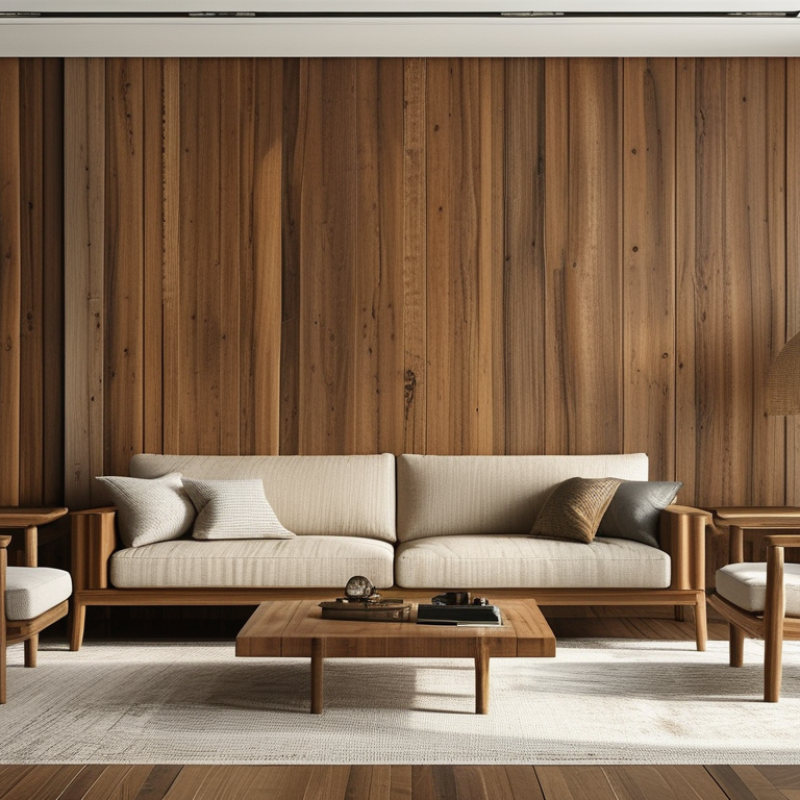
When choosing wood grain for your interiors, understanding its types is crucial. Wood grain refers to the pattern and texture on the wood's surface. There are two primary categories: open grain and closed grain. Open grain woods, such as oak and ash, show more texture. They can add depth to a room. On the other hand, closed grain woods like maple and cherry have a smoother finish, offering a more polished look.
According to industry reports, over 45% of homeowners prefer a natural wood appearance in their interior design. This preference emphasizes the importance of selecting the right wood grain to create an inviting atmosphere. Unique grains can serve as a focal point, attracting attention and enhancing the overall aesthetic.
Tips: When selecting wood grain, consider how it complements your color palette. Contrast can add vibrancy, while similar tones create harmony. Make sure to assess lighting effects. Different grains respond uniquely to light, impacting how a space is perceived. Remember, an imperfect grain can add character, making your design feel more authentic. Think about the stories these natural variations might tell in your home.
When selecting wood grain for your interior space, it’s essential to align it with your overall design style and color palette. Research indicates that 78% of homeowners prioritize coherence in their design choices. This means your wood selection should harmonize with existing elements. For example, if your design leans toward modern minimalism, opt for lighter wood grains like maple or ash. These types of wood can create a clean, airy ambiance, complementing neutral shades.
Conversely, darker woods like walnut or mahogany may serve better in traditional settings. These options can evoke warmth and nostalgia. Over 60% of designers recommend matching wood tones with other materials in the room, such as metals or textiles. However, a common pitfall is not considering the grain patterns. Some wood grains possess bold streaks that can overpower softer colors. This can lead to a disjointed look. Consider testing small samples against your wall color to observe their interaction in different lighting conditions.
Aiming for balance is crucial, as mismatched tones may create visual clutter. Some homeowners find themselves overwhelmed by choices. It’s advisable to seek expert opinions when needed. Consistent engagement with a design professional ensures your wood selection is a reflection of both style and functionality. This approach not only enhances aesthetics but also fulfills practical needs in your living space.
Choosing the right wood grain can significantly enhance your interior design. When matching wood grain with furniture and decor elements, consider the space's overall style. Darker grains, like walnut, bring warmth and richness to contemporary settings. Lighter grains, such as birch or maple, evoke a sense of openness. This contrast can either harmonize or create a visual break in your design.
Textures play a crucial role in this selection process. A smooth finish on furniture can complement the irregular patterns of reclaimed wood décor. However, mismatched textures might detract from the overall aesthetic. Pay attention to color tones, too. A warm oak dining table can clash with cool-toned accents. Aim for a balance, showcasing thoughtful combinations.
In any design journey, reflection is key. Consider how your chosen wood grain interacts with light and shadow throughout the day. The grain pattern may shift and change, leading to unexpected outcomes. Adjustments might be necessary if the initial choice doesn't gel with your vision. Embrace this evolving process, ensuring every element naturally coexists in your space.
When evaluating wood finishes, durability and maintenance are key factors. Different types of wood finishes have varied lifespans. For example, oil-based finishes may last longer but require careful application. Water-based finishes, while easier to apply, might not be as resilient to wear and tear.
Maintenance should be part of your decision-making process. Regular cleaning can prolong the life of your wood surfaces. Simple dusting or using a damp cloth can prevent grime build-up. However, some finishes might need periodic reapplication to maintain their luster. This could lead to extra time and cost, which many overlook initially.
The challenge also lies in understanding how different finishes react to moisture and sunlight. Certain woods darken or lighten over time. It's important to experiment with samples in your actual space before committing. Take notes on how colors shift during different times of the day. This hands-on approach might feel tedious, but it can reveal unexpected results, ensuring your final choice enhances rather than detracts from your design.
When incorporating wood grain into your interior design, choose textures that resonate with your overall style. Try deep mahogany for a luxurious look. Lighter woods, like maple, create a fresh, spacious vibe. Balance is key; combine various wood tones to avoid monotony. A single wood type throughout can feel flat.
Consider your space's purpose. In a cozy living room, warm, rich grains invite relaxation. An office may benefit from cool, sleek finishes. Don’t shy away from mixing wood grains with other materials. Metal or glass accents can bring a modern touch. Experimentation can lead to unexpected elegance.
Pay attention to details. The grain pattern can affect visual flow. A bold, pronounced grain can dominate a small room. Keep this in mind to maintain harmony. Sometimes less is more; a single wooden feature could speak volumes. Reflect on how each choice impacts your space's mood.
| Wood Type | Grain Pattern | Best Use | Color Variations | Durability |
|---|---|---|---|---|
| Oak | Straight and prominent | Furniture, flooring | Light to medium brown | Highly durable |
| Walnut | Wavy and irregular | Luxury furniture, cabinetry | Dark brown to purplish | Very durable |
| Maple | Fine and uniform | Cabinetry, flooring | Creamy white to reddish | Medium durability |
| Cherry | Smooth and curly | High-end furniture, accents | Reddish brown | Medium to high durability |
| Ash | Straight and open | Sporting goods, furniture | Light tan to brown | Very durable |
: The two main types are open grain and closed grain. Open grain is textured, while closed grain is smooth.
Wood grain adds depth and character to homes. It can also serve as a focal point in the room.
Consider contrast and harmony with your color palette. Light effects also influence how the grain appears.
Regular dusting and damp cloths help prevent grime. Some finishes may need reapplication for lasting beauty.
Finishes can change with moisture and sunlight. Observing samples in your space can reveal their true nature.
Yes, mixing various wood tones adds interest. Just ensure balance to avoid a monotonous look in your design.
Warm grains create coziness, while cool finishes evoke freshness. Reflect on how each choice impacts the atmosphere.
Imperfections can add character. They tell a story and make the design feel more authentic and less generic.
Choosing the right wood grain is essential in enhancing your interior design, as it significantly contributes to the aesthetic and overall ambiance of a space. Understanding the various types of wood grain can help you assess how they align with your existing design style and color palette. By carefully matching wood grain with your furniture and decor elements, you can create harmony and balance within your interiors.
Additionally, evaluating the durability and maintenance of different wood finishes ensures that your selection not only looks good but also withstands the test of time. Ultimately, the question "Why does the wood grain matter in interior design" is pivotal; it influences not only the visual appeal but also the tactile experience of your space. Incorporating wood grain effectively can elevate your interiors, providing warmth, texture, and character to any room.

Arico Home