Choosing the right wood for kitchen cabinets is crucial. According to expert Michael Smith, "The wood selection greatly impacts both aesthetics and durability." Understanding how to choose the best wood for kitchen cabinets can transform your kitchen space.
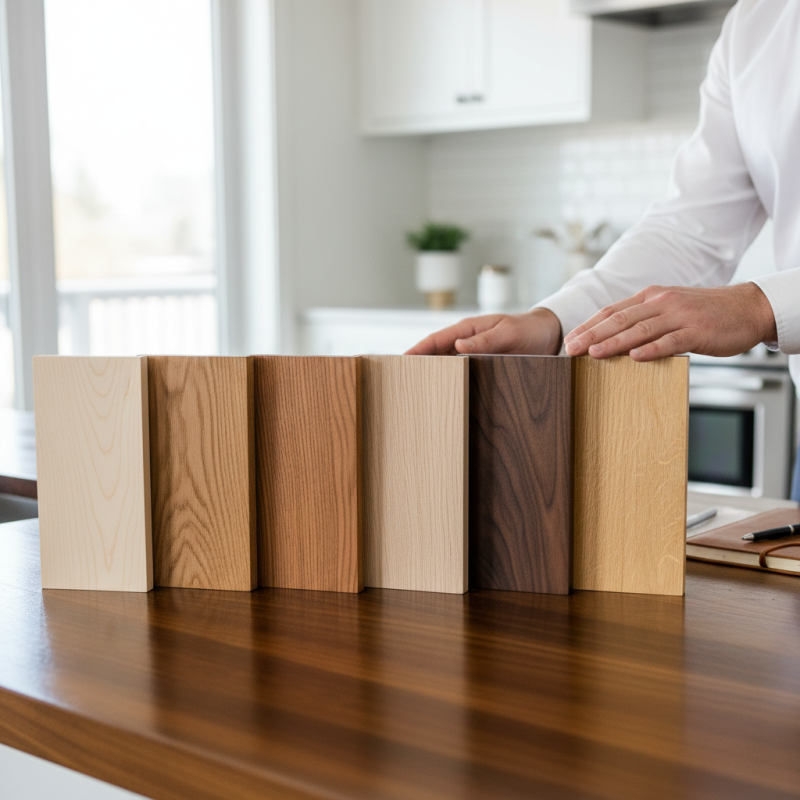
Different wood species offer unique characteristics. Maple is known for its strength and resistance to wear. Oak, on the other hand, provides a classic look with its visible grain. However, not all woods are suited for every home. Climate, usage, and personal style all play significant roles in this choice.
As you navigate your options, think about the long-term implications of your decision. It's not just about immediate appeal; durability matters too. Realizing the balance between beauty and practicality can be challenging. Reflecting on these aspects can lead to a more informed decision on how to choose the best wood for kitchen cabinets.
Top Wood Types Commonly Used for Kitchen Cabinets in China
When selecting wood for kitchen cabinets in China, understanding the most common types is essential.
Solid wood, plywood, and engineered wood each have unique characteristics.
Solid wood, like oak and walnut, offers durability and aesthetic appeal.
It can be costly but is a favored choice for high-end renovations.
Plywood, made from thin layers of wood veneer, provides strength and resistance to warping.
Engineered wood combines various materials, making it affordable and versatile.
Research from the China Wood Industry Association indicates that approximately 60% of kitchen cabinets use plywood, due to its adaptability and cost-effectiveness.
Solid wood usage is on the rise, reflecting a growing preference for natural materials.
However, engineered wood is gaining traction, especially among budget-conscious consumers.
Tips:
Choose finishes carefully. Some can offer a beautiful sheen but may chip or scratch easily.
Never skip proper maintenance, as it ensures longevity.
Consider sustainability when selecting wood types.
Ethically sourced materials support responsible forestry and better environmental practices.
Factors to Consider When Choosing Wood for Kitchen Cabinets
When choosing wood for kitchen cabinets, several factors must be evaluated. Durability is crucial. Hardwoods like oak and maple boast resilience against scratches. According to industry reports, cabinets made of hardwoods can last over 20 years with proper maintenance. Additionally, evaluate the wood's resistance to moisture and heat, which are common in kitchens.
Finish options also play a significant role. Some woods absorb stains better, enhancing aesthetic appeal. For example, walnut has a rich grain and can be treated to resist stains. This often leads to higher customer satisfaction and repeat purchases. It is essential to test different finishes to find what works best with your space.
**Tips:** Consider the local climate. Humidity can affect wood expansion. Always look for a certification mark. This ensures your wood comes from sustainable sources. Remember, the cost can vary significantly. Therefore, set a realistic budget and be prepared for trade-offs in design and quality.
Comparative Analysis of Durability and Aesthetics of Wood Materials
When choosing wood materials for kitchen cabinets, durability and aesthetics play crucial roles.
Maple, oak, and cherry are three popular choices, each with unique characteristics. For instance, oak is known for its strength and resistance to wear, making it ideal for high-traffic kitchens.
According to industry reports, oak can last up to 30 years if properly maintained. However, its open grain might not appeal to everyone’s aesthetic sensibilities.
Cherry, on the other hand, offers a rich color that deepens over time. It brings warmth to any kitchen space. Yet, it's important to note that cherry is more susceptible to scratches and dents, making it a less durable option for families with young children.
A comparative analysis reveals that while it has excellent visual appeal, cherry may require more careful handling.
Maple stands out as a mid-range option, providing a balance between aesthetics and resilience. It resists warping and holds up well against moisture.
Choosing the right material can be quite overwhelming. Each wood type presents trade-offs. Evaluating these factors against your lifestyle is vital. Incorporating elements like moisture barriers can enhance durability.
Aesthetic preferences may evolve, but the selection should focus on lasting enjoyment and practical use over fleeting trends.
Cost Considerations in Selecting Wood for Kitchen Cabinets
When selecting wood for kitchen cabinets, cost is a critical factor. Different wood types have varying price points. For instance, hardwoods like oak and maple tend to be more expensive than softer woods like pine. Quality often correlates with price, but budget constraints can lead to compromises. Cheaper options may not be as durable, leading to potential repairs later.
It's essential to evaluate your long-term needs. Cheaper wood might save money upfront but could require replacements sooner. Investing in higher-quality wood could enhance your kitchen's longevity. Look for sustainable options, which are often competitively priced. This supports eco-friendly practices while ensuring durability. Always consider the cost of finishing and maintenance too.
In addition to price, consider aesthetics and functionality. The appearance of the cabinet can significantly impact your kitchen's design. Explore various wood grains and colors that align with your style. Remember, the right choice balances budget and beauty. While it’s tempting to choose the lowest price, reflective decisions often yield better results.
Sustainability and Sourcing: Responsible Wood Choices for Cabinets
When it comes to choosing wood for kitchen cabinets, sustainability and sourcing are essential factors. Opting for responsibly sourced wood means reducing environmental impact. Look for certifications like FSC that ensure the timber comes from well-managed forests. This choice supports forest conservation and promotes biodiversity. Each selection plays a crucial role in our planet's health.
However, not all woods are created equal. Some may look appealing but carry hidden environmental costs. For instance, exotic woods can contribute to deforestation. It's vital to consider the wood’s lifecycle. Think about its journey—from forest to factory, and ultimately to your home. Reflecting on these aspects can lead to better decisions.
Choosing cabinetry that aligns with sustainable practices can be challenging. Many homeowners get caught up in aesthetics while overlooking sourcing ethics. Balancing beauty with responsibility often requires deeper research. Each cabinet tells a story that impacts the world around us. Aim to choose wisely, keeping both style and sustainability in mind.
China Top Wood Options for Kitchen Cabinets: How to Choose?
| Wood Type |
Sustainability Rating |
Durability |
Cost (per sq. ft.) |
Common Uses |
| Bamboo |
High |
Moderate |
$3 - $5 |
Cabinets, Furniture |
| Teak |
Moderate |
High |
$15 - $30 |
Outdoor Furniture, Cabinets |
| Maple |
High |
High |
$5 - $10 |
Cabinets, Flooring |
| Oak |
High |
Very High |
$8 - $15 |
Cabinets, Furniture |
| Pine |
Moderate |
Moderate |
$2 - $5 |
Cabinets, Crafts |
FAQS
: Common options include solid wood, plywood, and engineered wood, each with unique qualities.
Plywood is favored for its strength, resistance to warping, and cost-effective nature.
Solid wood offers durability and is aesthetically appealing but can be more expensive.
High humidity can cause wood to expand, impacting cabinet durability.
Choose finishes that enhance appearance but be wary of those prone to chipping or scratching.
Yes, softer woods like pine are cheaper but might not last as long as hardwoods.
Opting for ethically sourced materials supports responsible forestry and better practices.
The appearance of wood can significantly influence the overall look and feel of your kitchen.
Cheaper wood could quickly need replacing, leading to higher costs over time.
A balance between cost, quality, and aesthetics is key to making a wise decision.
Conclusion
When it comes to choosing kitchen cabinets in China, understanding the top wood options available is crucial. The article explores various wood types commonly used, such as solid wood, plywood, and engineered options, along with their unique characteristics. Additionally, it discusses important factors to consider when selecting the best wood for kitchen cabinets, including durability, aesthetics, cost, and sustainability.
A comparative analysis highlights the strengths and weaknesses of different wood materials, guiding homeowners toward responsible sourcing and more eco-friendly choices. Ultimately, the article provides valuable insights on how to choose the best wood for kitchen cabinets, ensuring that decisions made are informed, practical, and environmentally responsible.

 Arico Home