China Top 10 Best Finishes for Wooden Dining Tables?

Time:2026-09-25 Author:Charlotte
0%

A wooden dining table faces daily wear: warm plates, spilled tea, scraped cutlery, and hurried wiping. Choosing a finish is not just about shine. It affects water resistance, repairability, color, and how the grain feels beneath your hand. This guide to China’s top 10 best finishes for wooden dining tables compares options such as hardwax oil, polyurethane, lacquer, and traditional oils. It focuses on practical trade-offs rather than promising one perfect coating.

What is the best finish for a wooden dining table? The honest answer depends on how the table is used and maintained. Bob Flexner, author of Understanding Wood Finishing, is often associated with the useful principle, “There are no bad finishes, only bad finishing.” The line points to an important detail: preparation and application matter as much as the product. A durable finish can still fail on dusty wood or under rushed coats.

Some finishes look natural. Others create a tougher surface film. Neither choice suits every home. A family table may need stronger resistance to spills, while a lightly used table may benefit from easier spot repairs. Follow the maker’s application and curing instructions, and test the finish on an offcut first. Small sample boards can reveal changes in color and sheen before the whole tabletop is coated. That step is easy to skip. It is also the one you may wish you had taken.
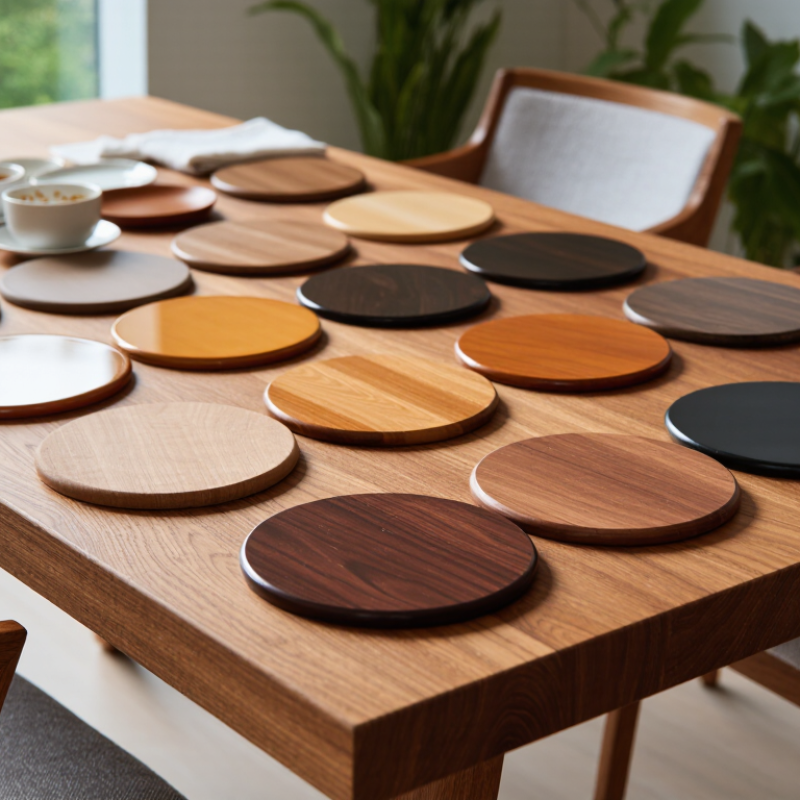
China Top 10 Best Finishes for Wooden Dining Tables?

What a Wooden Dining Table Finish Does and How It Is Evaluated

A wooden dining-table finish is a thin protective layer, not a force field. It slows moisture exchange, limits stains, and changes how light reveals the grain. The USDA Forest Products Laboratory’s Wood Handbook reports equilibrium moisture content near 9% at 70°F and 50% relative humidity. That matters because solid wood responds to changing humidity. A finish can slow the movement, but it cannot prevent seasonal swelling or shrinkage.

How should a finish be evaluated? Look beyond sheen and color. ASTM D4060 measures coating abrasion resistance, while ASTM D3359 assesses adhesion; these tests help compare performance under controlled conditions. For a table, also check resistance to water rings, food spills, heat, and repeated wiping. A glossy sample may look impressive under showroom lights, yet show scratches more clearly at home. Test on a matching wood sample when possible. Small details matter.

No single test tells the whole story. Results depend on coating thickness, curing, wood species, and application quality. The Forest Products Laboratory data describes wood behavior, not a promise that any finish will withstand every household. That distinction is easy to miss. A useful evaluation combines standardized test results with realistic use conditions, including a damp glass left briefly on the surface and daily cleaning.

The 10 Best Finishes for Wooden Dining Tables in China

For dining tables made in China, the best finish depends on wood species, room conditions, and daily use. Water-based polyurethane keeps pale oak and ash close to their natural color and cleans easily. Oil-based polyurethane adds warmth and handles frequent wiping, though it can amber lighter woods. Hardwax oil gives a low-sheen, tactile surface that is easier to spot-repair. Pure tung oil deepens the grain, but needs patience and periodic care. Boiled linseed oil is affordable and warm-looking, yet it offers less resistance to standing water.

Acrylic lacquer dries quickly and gives a smooth, even sheen, making it practical for controlled production. Conversion varnish forms a durable surface for busy dining areas, but application quality matters greatly. Shellac brings a soft glow to traditional designs, though heat and alcohol can mark it. Paste wax feels pleasantly natural, but needs frequent renewal and is not ideal for heavy use. Soap finish creates a pale, matte look on open-grained wood; spills need prompt attention. Some are less forgiving.

Humidity varies widely across China, from damp southern summers to dry northern winters, so test the finish on the actual timber. Check color in daylight, then leave water droplets on the sample overnight. I would not call one finish universally best; that sounds neat, but real tables face scratches, hot cups, and rushed cleaning. Follow the product’s curing instructions before putting the table into service.

How the Top Finishes Compare in Appearance, Protection, and Maintenance

A dining-table finish affects more than color; it changes how the surface handles spills, heat, and daily cleaning. Oil finishes soak into the wood and leave a natural, low-sheen look that keeps the grain tactile. They are easy to refresh, but water rings can appear if spills sit too long. Hardwax oil offers a little more surface protection while preserving that close-to-the-wood feel. Still, it needs periodic care. Not everyone wants another maintenance task.

Water-based polyurethane usually stays clear and resists scratches and food stains well, making it practical for busy households. Oil-based polyurethane adds a warmer tone and a tougher film, though it can look more glossy and may amber with age. Varnish is durable and often suits tables exposed to frequent use, but repairs can be less invisible. Lacquer dries quickly and creates a smooth, refined appearance; chips may need careful touch-ups. Wax gives wood a soft glow, but offers limited protection against heat and moisture. Shellac can look rich, yet hot mugs may mark it. Compare samples on the same wood, then wipe each with a damp cloth and inspect the grain. A small test tells you more than a finish name alone.

China Top 10 Best Finishes for Wooden Dining Tables: How the Top Finishes Compare in Appearance, Protection, and Maintenance

Rank Finish Type Appearance Protection Maintenance Best Suited For
1 Catalyzed conversion varnish Clear, even film; available in matte to gloss. Can slightly deepen the wood color. Very high resistance to spills, household chemicals, abrasion, and heat compared with many conventional furniture finishes. Wipe with a soft, damp cloth and mild cleaner. Usually requires professional equipment and repair if badly damaged. Busy dining tables needing a durable, professionally applied finish.
2 Two-component polyurethane Forms a clear surface film in several sheen levels; some formulations add a slight warm tone. Very high resistance to water, abrasion, and common spills when correctly applied and fully cured. Routine wiping is simple. Deep scratches and worn areas can be difficult to blend locally. Frequently used tables where strong surface protection is a priority.
3 Oil-modified polyurethane Typically adds a warm, amber tone and creates a noticeable protective film. High resistance to everyday spills and wear after full curing; hot cookware can still damage the surface. Clean gently and avoid abrasive pads. Recoating generally involves surface preparation. Traditional-looking tables that need dependable, practical protection.
4 Waterborne polyurethane Usually stays clearer than oil-modified polyurethane, preserving pale or cool wood tones. Good to high resistance to water and daily wear, depending on the product and application. Clean with a soft cloth and mild cleaner. Local repairs may show unless the surface is carefully blended. Light-colored woods and interiors where minimal color change is preferred.
5 Hardwax oil Low-sheen, natural-looking surface that emphasizes grain and texture. Moderate resistance to spills and wear. Standing liquid and acidic spills should be cleaned promptly. Can often be refreshed or spot-repaired without stripping the whole table; periodic maintenance may be needed. Owners who value a natural feel and easier spot repair over maximum film protection.
6 Wiping varnish Thin, hand-applied film with a soft, natural appearance; sheen varies by product. Moderate to good resistance, depending on the number of coats and the specific varnish. Requires careful cleaning. A worn surface can usually be renewed with additional compatible coats after preparation. DIY projects where a straightforward application and balanced protection are desired.
7 Lacquer Smooth, refined film available from matte to high gloss; often used for a clean, modern look. Good everyday protection, but some lacquer finishes are more vulnerable to solvents, heat, or prolonged moisture than tougher catalyzed coatings. Use gentle cleaners and protect from hot dishes. Repairs can be effective but may require skilled application. Decorative tables where a smooth, polished appearance is important.
8 Shellac Warm, clear-to-amber finish with a traditional appearance and a relatively thin film. Limited resistance to alcohol, heat, and prolonged water exposure; not ideal for heavy daily dining use without added protection. Clean promptly and avoid alcohol-based cleaners. Scratches and damaged areas can often be repaired by a knowledgeable finisher. Antique-style or lightly used tables where traditional appearance matters most.
9 Penetrating drying oil Enhances grain with a natural, low-sheen look and little surface build. Low to moderate protection against standing water, heat, and abrasion; spills should be wiped up quickly. May need periodic reapplication. Scratches are often easier to touch up than on thick film finishes. Rustic tables and users comfortable with regular upkeep.
10 Paste wax Soft sheen and a pleasantly smooth feel; preserves a natural-looking surface. Low protection against water, heat, and scratches. Wax alone is generally not a durable dining-table finish. Needs periodic buffing or renewal and can collect marks from spills. Wax may complicate later refinishing. Low-use tables or as a maintenance layer only when compatible with the underlying finish.

Note: Actual performance varies with the exact formulation, number of coats, application quality, and curing time. Follow the finish maker’s instructions for food-contact suitability and allow the coating to cure fully before regular use. Use trivets for hot cookware and wipe up spills promptly, regardless of finish type.

How to Choose a Finish for Your Table’s Wood, Use, and Style

Choose a finish by matching the wood, daily wear, and room style. Open-grained oak can look warm under oil, while a clear film finish gives maple a smoother, more even appearance. For a family table exposed to spills and frequent wiping, a durable film-forming finish offers better moisture protection than a simple oil. Oil is easier to refresh, but water rings may appear sooner. No finish is perfect.

Wood also responds to indoor humidity. The USDA Forest Products Laboratory’s Wood Handbook reports equilibrium moisture content of about 6% at 30% relative humidity and 9% at 50%, at roughly 70°F. Seasonal movement can stress a rigid coating, so apply finish to all surfaces and allow wood to acclimate before assembly. For indoor air considerations, the U.S. EPA reports that concentrations of many VOCs are often two to five times higher indoors than outdoors. Check the product’s VOC information and follow its ventilation and curing instructions.

Tips: Test the finish on a hidden underside first. Look at it in daylight and under evening lights. A small sample can reveal color shifts, grain contrast, and sheen. It is easy to underestimate those changes. Don’t rush the cure time.

How to Apply and Maintain a Dining Table Finish

A dining table needs a finish that suits its wood, use, and repair needs. Film finishes, such as varnish or water-based polyurethane, create a protective surface against spills and scratches. Oil finishes tend to look more natural, but may need more frequent care. No finish makes wood damage-proof. Test your chosen product on an unseen area, since color can change noticeably after application.

Prepare the surface with even sanding, moving through finer grits and removing dust with a clean, lint-free cloth. Work in a ventilated space and follow the finish’s label for temperature, drying time, and application method. Stir gently when directed; shaking can leave bubbles. Apply thin, even coats with a suitable brush or cloth. Thin coats work better. Let each coat dry as instructed, then lightly sand between coats only if the product directions recommend it. I would not rush the final cure, even when the surface feels dry.

Wipe spills promptly with a soft, slightly damp cloth, then dry the surface. Avoid standing water, abrasive pads, and harsh cleaners, which can dull or scratch the finish. Use coasters and trivets, but do not leave them damp beneath dishes. Inspect high-use areas every few months. Small scratches may respond to finish-specific maintenance, while peeling or deep damage may need careful refinishing. The tricky part is matching a repair to the original coating; a hidden test can prevent a larger patchy spot.

FAQS

Which finish works best for a wooden dining table?

It depends on the wood, room, and daily use. Water-based polyurethane keeps pale woods closer to their natural color. Oil-based polyurethane adds warmth but may amber lighter wood. No finish is perfect.

What finish suits pale oak, ash, or maple?

Water-based polyurethane can preserve a lighter appearance. On maple, a clear film finish can create a smoother, more even look. Test a sample in daylight; the color may shift more than expected.

What finish is practical for a busy family table?

A durable film-forming finish offers better protection against spills and frequent wiping than simple oil. Use coasters and trivets, too. Hot cups still need care.

How do oil finishes compare with film finishes?

Oil highlights the grain and can be easier to refresh. However, water rings may appear sooner. Film finishes offer more moisture protection, but repairs can be harder to blend.

Is hardwax oil easy to repair?

It can be easier to spot-repair than many film finishes. Match the maintenance product to the existing coating. A hidden test helps avoid an obvious patch.

How does China’s climate affect table finishes?

Humidity varies between damp southern summers and dry northern winters. Let the wood acclimate before assembly, and finish all surfaces. Seasonal movement can stress rigid coatings.

How should I apply a table finish?

Sand evenly and remove dust with a clean, lint-free cloth. Apply thin, even coats in a ventilated space. Follow the product instructions for drying and curing. Thin coats work better.

How can I maintain the finish?

Wipe spills promptly with a soft, slightly damp cloth, then dry the surface. Avoid standing water, abrasive pads, and harsh cleaners. Inspect busy areas every few months; I may underestimate how quickly small scratches collect.

Conclusion

Choosing the right finish is essential for making a wooden dining table attractive, durable, and easy to maintain. A finish protects the wood from moisture, stains, heat, scratches, and daily wear while also enhancing its natural color and grain. This guide explores ten excellent finish options commonly suitable for dining tables in China, including natural oils, waxes, water-based coatings, hard-wearing protective layers, and other practical solutions. Each option is evaluated according to appearance, protection, application difficulty, drying time, durability, and maintenance requirements.

What is the best finish for a wooden dining table depends on the type of wood, the table’s frequency of use, the desired style, and the level of protection required. Light finishes can preserve a natural appearance, while stronger coatings may provide better resistance for busy households. The article also explains how to prepare the surface, apply a finish evenly, allow proper curing, and maintain the table through regular cleaning and timely touch-ups.

Charlotte

Charlotte

Charlotte is a seasoned marketing professional with a deep understanding of the company's portfolio and a passion for elevating its presence in the market. With a keen eye for detail and a commitment to excellence, she ensures that our professional blog is regularly updated with insightful articles......