Caring for solid wood furniture in humid climates can be a challenge. With high moisture levels, wood is prone to warping and mold. Renowned expert in furniture preservation, Dr. Emily Carter, emphasizes, "Humidity is the wood's worst enemy." This highlights the importance of knowing how to maintain solid wood furniture in humid climates.
To ensure the longevity of your furniture, a thoughtful approach is essential. Regularly check for signs of moisture damage. Look for warped surfaces or discoloration. Maintaining airflow around your furniture can prevent excess moisture buildup. Using dehumidifiers can also help in controlling humidity levels indoors. Small adjustments matter greatly.
However, even the best strategies have limitations. It’s crucial to accept that some wear and tear is inevitable. Embrace these imperfections as part of the furniture's history. By being proactive yet realistic, you can create a balance that preserves your solid wood pieces while acknowledging the challenges of a humid environment.
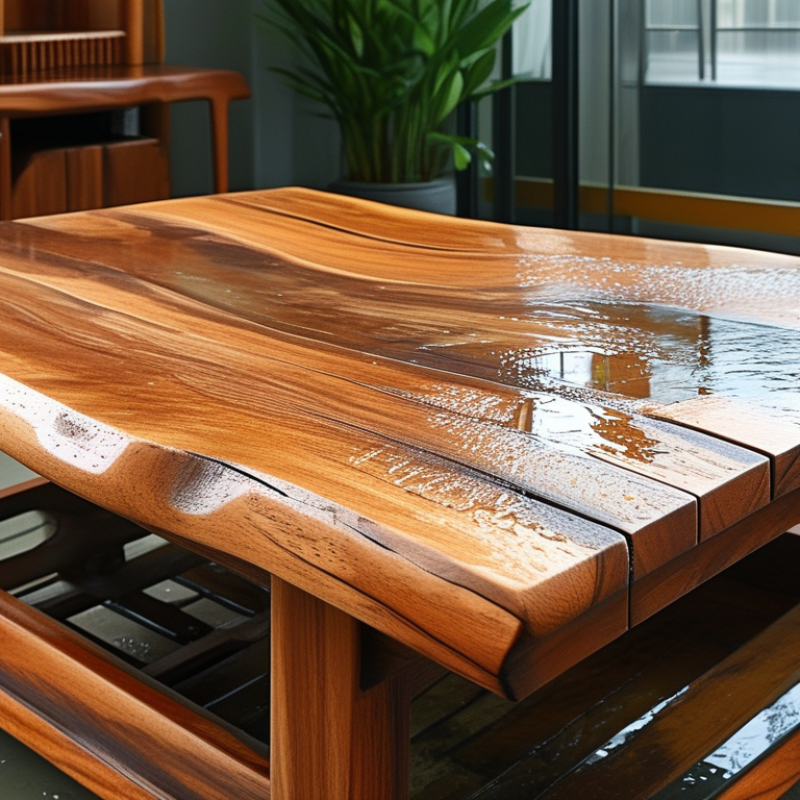
Humidity significantly affects solid wood furniture. When the air is humid, wood absorbs moisture. This causes it to expand. Over time, this can lead to warping and cracks.
According to the Wood Database, optimal humidity levels for wood are between 30% and 50%. In humid climates, levels often exceed this range. This discrepancy can stress the fibers of the wood. Eventually, it results in structural damage. Proper care includes maintaining indoor humidity levels with dehumidifiers or air conditioning.
Regular cleaning is essential. Dust can trap moisture, which contributes to decay. Use a soft cloth and mild cleaners specifically designed for wood. Waxing the surface can create a protective barrier. However, over-waxing can lead to a hazy residue, necessitating occasional stripping and reapplication. Being aware of these details is crucial for maintaining the beauty and longevity of solid wood furniture.
Maintaining solid wood furniture in humid environments can be challenging. Humidity can lead to warping and damage. A study by the Wood Research Society found that wood can absorb moisture and expand, causing structural issues. It's essential to adopt proper cleaning techniques to prolong the lifespan of your furniture.
Start cleaning with a soft, dry cloth to remove dust. This method helps prevent scratches. For deeper cleaning, use a damp cloth with a mild soap solution. However, avoid soaking the wood. Too much water can lead to swelling. After cleaning, dry the surface immediately. This practice minimizes moisture exposure.
Consider using a wood conditioner periodically. It adds a protective layer against humidity. The American Home Furnishings Alliance suggests using conditioners every six months. However, monitor your furniture for signs of wear. You might notice areas where the finish has dulled. Reflecting on these details ensures your furniture remains in good shape, despite the challenges of a humid environment.
This chart illustrates the recommended frequency of care for solid wood furniture based on varying humidity levels. As humidity increases, the care frequency decreases, indicating that higher humidity environments necessitate more regular maintenance to protect the wood.
Humidity can be a wood furniture's worst enemy. Maintaining solid wood furniture in a humid climate requires more than just care; it demands protective measures. Proper maintenance can help prevent moisture damage, which can warp, crack, or mold the wood.
To guard against excess moisture, consider using dehumidifiers. They can efficiently regulate indoor humidity levels. Ensure your furniture is positioned away from heat sources and direct sunlight. This helps reduce moisture absorption and prevents fading.
Regular application of a quality wood conditioner is key. This creates a protective barrier against moisture. Remember to check your furniture for any signs of damage, like discoloration or warping. Prompt action can save your furniture from severe damage.
Lastly, always keep your living space ventilated. Simple actions like opening windows can drastically improve air circulation. Often, we overlook how vital ventilation is to wood furniture health. Take these steps to enjoy your solid wood pieces for years to come.
In humid climates, solid wood furniture requires special attention for proper care. Optimal storage solutions play a crucial role in preserving its integrity. Reducing moisture exposure is key. Install a dehumidifier in your space. This will help mitigate humidity levels. Ensure the room is well-ventilated. Open windows periodically to promote airflow.
Using furniture covers can also provide protection. Choose breathable materials to prevent trapping moisture. Placing wood furniture off direct contact with floors can help too. Use furniture pads or risers to create a gap. This allows air circulation underneath. It’s essential to keep furniture away from consistent heat sources, which can cause warping.
Regularly inspect your furniture for signs of damage. Look for cracks or swelling. These can indicate excessive moisture exposure. Even in ideal settings, some issues may arise. Embrace this process as part of owning wood furniture. Adjust your strategies based on specific conditions. Each environment presents unique challenges. Listen to what your furniture communicates.
| Care Tips | Storage Solutions | Recommended Humidity Level (%) | Maintenance Frequency |
|---|---|---|---|
| Use a dehumidifier | Keep furniture in a climate-controlled room | 40-60% | Monthly |
| Clean with soft, dry cloth | Avoid direct sunlight exposure | 40-60% | Weekly |
| Apply furniture polish or wax | Use breathable covers when not in use | 40-60% | Every 6 months |
| Inspect for mold or mildew | Store away from damp walls | 40-60% | Quarterly |
| Avoid excess moisture | Use air circulation fans | 40-60% | As needed |
Caring for solid wood furniture in humid climates requires regular attention. High humidity levels can cause wood to expand or warp. To maintain your furniture, start with a consistent cleaning routine. Use a soft, dry cloth to wipe surfaces weekly. This prevents dust build-up, which can trap moisture.
Conditioning your wood is essential. Apply a suitable wood conditioner every six months. A good conditioner protects the finish and enhances the wood's natural beauty. However, be cautious; too much product can leave a greasy residue. Test on a small area first to avoid damaging the surface.
Humidity affects wood in unexpected ways. Even with care, some pieces might develop minor cracks or movements over time. Monitor your furniture regularly for signs of distress. Small adjustments in your cleaning and conditioning can make a difference. This proactive approach can help prolong the lifespan of your cherished pieces.
: Start with a soft, dry cloth to remove dust. For deeper cleaning, use a damp cloth with mild soap.
Yes, soaking wood can cause swelling and structural issues. Always dry the surface immediately after cleaning.
It’s recommended to apply wood conditioner every six months. This protects against humidity damage.
Reflect on your furniture's condition. Inspect regularly for wear and adjust your conditioning routine accordingly.
Use a dehumidifier and ensure proper ventilation. Furniture covers made from breathable materials also help.
Elevate furniture with pads or risers. This prevents moisture buildup and allows air to circulate underneath.
Look for cracks, swelling, or a dull finish. These can signal excessive moisture exposure and need attention.
Minor cracks can occur over time. Regular inspection allows for small adjustments in your maintenance routine.
No, each environment presents unique challenges. Adjust your strategies based on specific humidity conditions.
Caring for solid wood furniture in humid climates requires a nuanced understanding of how moisture affects wood. Knowing how to maintain solid wood furniture in humid climates involves essential cleaning techniques that prevent dirt accumulation and preserve the finish of the wood. Regular dusting with soft, dry cloths and occasional use of a mild wood cleaner can keep surfaces protected.
Additionally, protective measures such as applying appropriate sealants and using dehumidifiers can mitigate moisture damage. Optimal storage solutions, such as keeping furniture away from damp areas and ensuring proper ventilation, are crucial in high humidity conditions. Lastly, regular maintenance, including polishing and checks for any signs of damage, can significantly extend the lifespan of your solid wood furniture, ensuring it remains beautiful and functional for years to come.

Arico Home