Squeaking cabinet hinges can be a frustrating home issue. Many homeowners ask, "Why are my cabinet hinges squeaking?" According to expert Andrew Thompkins, a professional in home maintenance, "Understanding the root cause of the squeak can lead to simple, effective fixes."
Cabinet hinges can squeak due to various reasons. Over time, dust and debris can accumulate, causing friction. Old or worn-out hinges often lead to unwanted noises. Moisture can also corrode metal parts. Squeaking hinges can be annoying, yet they signal maintenance is needed.
Ignoring the problem may worsen the issue. A simple oiling can often resolve the noise. However, be cautious—over-oiling may attract more dirt. Identify the source of the sound before attempting repairs. This awareness can save time and effort in the long run. Addressing this common issue enhances the home environment. It is an opportunity to reflect on the upkeep of your living space.
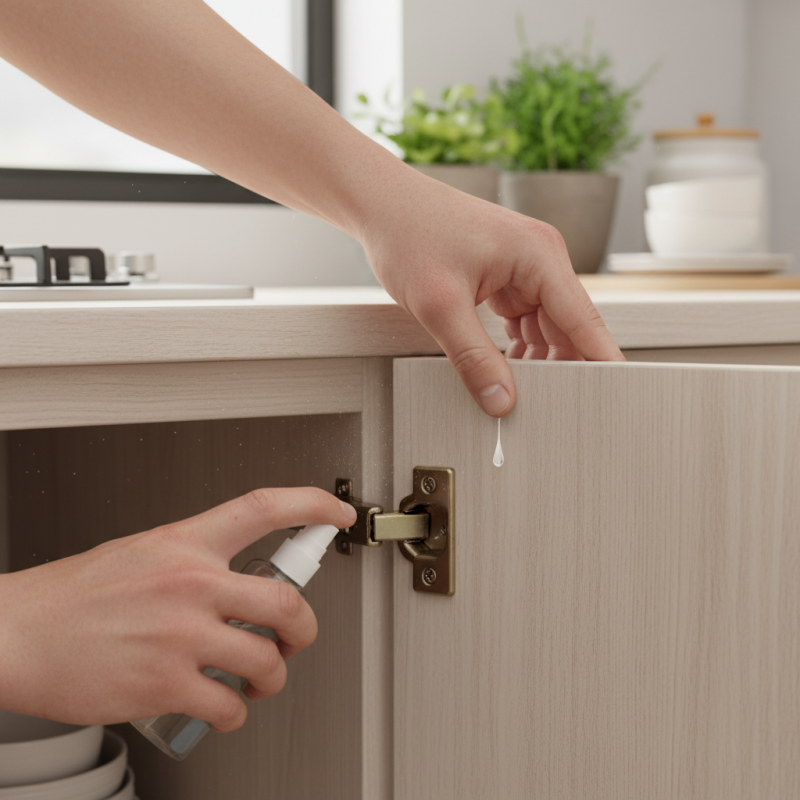
Squeaky cabinet hinges can be annoying. Understanding the common causes can help you address the issue quickly. A significant reason for squeaky hinges is a lack of lubrication. Over time, oil and grease can wear off, leading to friction and noise. Approximately 30% of homeowners experience this problem, according to recent surveys. Another cause is dirt and debris accumulation. When grime builds up, it can hinder smooth movement.
To fix squeaky hinges, start with cleaning. Use a damp cloth to remove debris. Once clean, apply a lubricant like silicone spray or graphite. These products help reduce friction and noise. Remember, too much lubricant can attract more dirt. A minimal application is key.
Regular maintenance is essential. Check your hinges every few months. If squeaking persists, consider replacing old hinges. While some might hope for a quick fix, recognizing when to replace parts is vital for long-term functionality. Make sure to inspect them consistently for the best results.
Squeaky hinges can be a frustrating issue in your kitchen. When you open or close your cabinets, the annoying sound can disrupt the calm. Often, the noise indicates that the hinge is in need of some attention. Ignoring the squeak may lead to further wear and tear, affecting your cabinets’ longevity.
Identifying the symptoms of squeaky hinges is key to tackling the problem. You may notice the sound varies depending on the movement speed. Sometimes, the squeak is loud; other times, it’s faint. If you observe any resistance when opening or closing, that’s a clear sign of trouble. A dry hinge might need lubrication. In some cases, you may also see uneven door alignment.
Addressing these issues early can save you from bigger repairs later. Keeping the kitchen environment clean helps; dust can exacerbate the squeaking. Regularly inspect your cabinet hinges to maintain their functionality. Occasionally, a little lubricant can go a long way, but remember, too much can create a mess. Reflect on the condition of your hinges and take action when necessary.
Cabinet hinges can squeak due to a lack of lubrication. Over time, dust and grime accumulate, increasing friction. A report from the National Hardware Association indicates that improper hinge maintenance can lead to decreased functionality in 30% of kitchen cabinets. Regular maintenance can prevent this issue.
Lubricating cabinet hinges is a simple task. Start by cleaning the hinges with a cloth to remove debris. Then, use a lubricant spray or oil, applying it directly to the hinge pivot points. The goal is to find a product that penetrates well. A study by the American Home Improvement Research Institute suggests using mineral oil for effective lubrication. It penetrates deeper and lasts longer than generic sprays.
Be aware that over-lubrication can also be problematic. Excess lubricant can attract more dust, leading to further squeaking. Monitor your hinges after lubrication. If the squeaking persists, consider whether the hinge itself is damaged. Reflect on this: are you checking your cabinets regularly? Minor neglect can lead to bigger issues, affecting the overall look and function of your cabinets.
Preventative measures are key to avoiding future squeaking in cabinet hinges. Regular maintenance is essential. A study by the National Kitchen and Bath Association indicates that about 40% of homeowners experience issues with noisy hinges. This suggests a widespread problem that can often be prevented with basic care.
Lubrication is crucial. Using a silicone-based lubricant can greatly reduce friction. Simple applications every six months keep hinges in top condition. Consider cleaning the hinges before applying lubricant. Dust and grime can contribute to squeaking. A compressed air canister works well for this task.
Another effective preventative measure is proper installation. Ensure the hinges are aligned correctly. Misalignment can lead to unnecessary strain and noise. Regularly check that screws are tight. Loose screws can cause hinges to squeak more frequently, adding to maintenance challenges. These simple steps can help maintain the functionality and silence of your cabinet hinges.
Cabinet hinges are essential for smooth functionality. If you notice your hinges squeaking, it may indicate underlying issues. Sometimes, simple lubrication helps. However, there are clear signs that indicate it's time for a replacement.
Listen carefully. If the squeaking persists after lubrication, inspect the hinges for wear and tear. Rusty or pitted surfaces are red flags. Look for hinges that wobble or do not hold the door properly. These problems can cause further damage to the cabinet structure. Missing screws or broken pivot points can lead to improper door alignment as well.
Take a step back and evaluate the overall usage of your cabinets. Heavy doors or frequent usage may lead to faster wear. If you find yourself adjusting your hinges often, it's a sign that replacements are necessary. Remember, ignoring these signs can lead to costly repairs down the line. Don't let squeaky hinges disrupt your daily routine; act before the situation worsens.
: Common symptoms include varying squeak volumes, resistance when opening, and uneven door alignment.
Regular maintenance is key. Lubricate hinges every six months and keep them clean.
A silicone-based lubricant works well. Apply it in a small amount to avoid mess.
Consider replacement if squeaking persists after lubrication or if there’s visible wear or rust.
Misalignment is often indicated by uneven door closure or frequent squeaking noises during use.
Yes, loose screws can lead to friction and increased noise. Check screws regularly for tightness.
Ignoring them may lead to bigger issues, including damage to the cabinet structure and costly repairs.
Inspect hinges regularly, ideally every few months, to catch issues early and maintain functionality.
Yes, dust can exacerbate squeaking. Keeping the area clean helps reduce the friction.
Evaluate for missing screws, and consider whether it's time to replace the hinges entirely.
Cabinet hinges can often become a source of frustration due to squeaking noises, leading many homeowners to wonder, "Why are my cabinet hinges squeaking?" This article explores the common causes of squeaky cabinet hinges, such as lack of lubrication, dirt accumulation, and misalignment. It also helps you identify key symptoms of these issues in kitchen cabinets, which can range from persistent noise to difficulty in opening and closing doors.
To effectively resolve the problem, a step-by-step guide on how to properly lubricate cabinet hinges is provided. Additionally, the article offers preventative measures to avert future squeaking, ensuring long-term functionality. Lastly, it emphasizes the importance of recognizing signs that indicate it's time to replace your cabinet hinges, helping you maintain your kitchen's aesthetics and functionality.

Arico Home