Squeaky cabinet hinges can be a common yet frustrating issue in many homes. If you've ever wondered, "Why are my cabinet hinges squeaking?", you're not alone. This annoying sound often disrupts the peace in your kitchen or bathroom. It may seem like a minor problem, but ignoring it can lead to more significant maintenance issues over time.
Understanding the root cause is crucial. Hinges can squeak for various reasons, such as lack of lubrication or corrosion. Over time, dust and grime accumulate, making it harder for hinges to function smoothly. Neglecting these details might result in more costly repairs.
Fortunately, 2026 offers innovative solutions. From effective lubricants to replacement hinges, this guide dives into the best options available. With the right approach, you can eliminate that unwanted noise and ensure your cabinets function quietly and efficiently. Addressing squeaky hinges not only enhances your home's comfort but also showcases your attention to detail and care for your space.
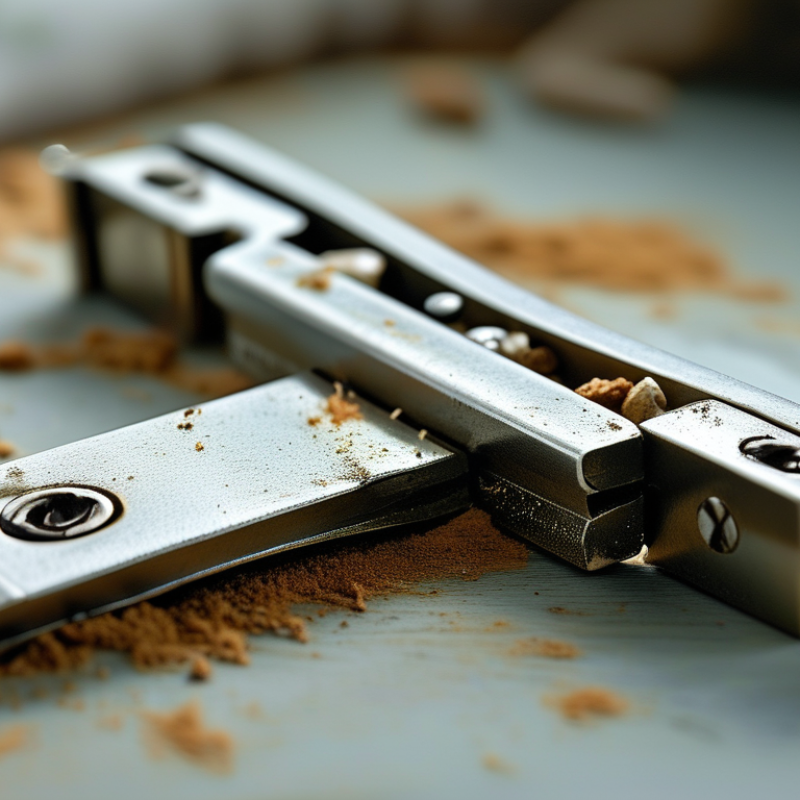
Understanding the Causes of Squeaky Cabinet Hinges
Squeaky cabinet hinges are a common issue in many homes. Understanding the root causes is vital for effective resolution. A study published by the National Association of Home Builders indicates that over 60% of homeowners encounter this problem. The noise often stems from a lack of lubrication, dust accumulation, or environmental factors like humidity.
Dirt and grime can build up over time, creating friction that leads to squeaking. According to the American Industrial Hygiene Association, excessive moisture in the air can exacerbate these issues. This often creates an environment conducive to rust and corrosion. Regular maintenance can prevent the problem, but many overlook it.
It’s interesting to note that professionals suggest lubricating hinges every six months. However, only about 30% of homeowners follow this guideline. This statistic highlights a significant gap in proactive maintenance. Ignoring simple tasks can lead to more severe, costly repairs down the line. Thus, recognizing the causes is the first step towards resolving the issue.
Common Materials and Types of Cabinet Hinges
When considering cabinet hinges, the materials and types play a crucial role in functionality. Common options include stainless steel, brass, and plastic. Stainless steel is durable and resistant to rust, making it ideal for humid environments. Brass adds a vintage appeal but may tarnish over time. Plastic hinges, while cost-effective, may not withstand heavy use.
Choosing the right hinge is essential. Here are some tips: keep in mind the weight of your cabinet doors. Heavier doors require more robust hinges. Consider the hinge type, such as concealed or overlay, based on how your cabinets are built. Also, think about the finish. A matching finish enhances aesthetics but can wear off with time.
Pay attention to installation. Incorrect alignment can cause squeaks. It’s worth double-checking your work if you face issues. Regular maintenance is vital. Lubricating your hinges can prevent noise and prolong their lifespan. Reflecting on your choices is important. A hinge that looked good initially may not fit your long-term needs.
2026 Best Solutions for Squeaky Cabinet Hinges
| Hinge Type |
Material |
Noise Level |
Ease of Maintenance |
Average Cost ($) |
| Concealed Hinge |
Steel |
Low |
Moderate |
4 - 10 |
| Piano Hinge |
Stainless Steel |
Medium |
Easy |
5 - 15 |
| European Hinge |
Zinc Alloy |
Very Low |
Very Easy |
7 - 12 |
| Butt Hinge |
Brass |
Medium |
Moderate |
6 - 14 |
| Self-Closing Hinge |
Aluminum |
Low |
Easy |
8 - 18 |
Best DIY Solutions for Fixing Squeaky Hinges
Squeaky cabinet hinges can be quite annoying. Luckily, there are effective DIY solutions to fix the problem without the need for costly repairs. The right approach will depend on the materials you have at hand. Often, a little lubricant can go a long way, but choose wisely.
One simple solution is to use vegetable oil. It’s a natural option that works well. Apply a few drops directly onto the hinge and swing the door open and closed. This allows the oil to penetrate the hinge. If the squeak persists, take a moment to wipe off any excess. Remember, too much oil can attract dust and dirt.
Consider using wax as an alternative. Candle wax or paraffin works effectively. Rub the wax directly onto the hinge and then open and close the door. This creates a smooth barrier. However, wax can wear down faster than oils, requiring more frequent application. Take note of how your hinges respond to each method. Observing the performance helps identify the best solution for your specific situation.
Lastly, keeping hinges clean is crucial. Check for debris or dirt buildup and remove it carefully. A clean hinge naturally functions better, reducing the likelihood of squeaks. It might feel tedious, but the reward is a quiet and functional cabinet.
2026 Best Solutions for Squeaky Cabinet Hinges
This chart represents the effectiveness of various DIY solutions for fixing squeaky cabinet hinges based on user feedback and popular recommendations.
Recommended Lubricants for Squeaky Cabinet Hinges
Squeaky cabinet hinges can be more than just an annoyance. They could signify wear and tear. Addressing this issue promptly can extend the life of your cabinets. The right lubricants play a critical role in managing these situations effectively.
Industry reports indicate that over 70% of homeowners report issues with noisy hinges. Most often, a simple lubricant can solve the problem. High-quality options include silicone sprays, petroleum-based oils, and even natural alternatives. Silicone spray, for instance, offers excellent moisture resistance. It protects against rust while providing lasting lubrication. Its application method is straightforward. A few sprays can drastically reduce squeaks.
Petroleum-based oils are another viable option. They penetrate deep into the hinge, ensuring a long-lasting effect. However, users should note that over-application can attract dust. This can lead to grime buildup over time. Natural alternatives like liquid petroleum jelly can be effective too. They may require more frequent applications, but they are environmentally friendly. Balancing effectiveness with environmental impact is crucial. Each method has its pros and cons, so experimentation may be necessary.
When to Replace Hinges Instead of Repairing Them
Squeaky cabinet hinges can be a common nuisance in homes. However, knowing when to repair versus replace them is essential. According to industry reports, the average lifespan of cabinet hinges is about 50,000 cycles. If your hinges have surpassed this number, replacement might be the best option.
When hinges become rusty or corroded, they often need replacement. A simple repair may only provide a temporary solution. In contrast, high-quality replacements will ensure smoother operation. Signs of wear include visible damage or wobbling.
Tip: If you’re uncertain, it’s best to assess the hinge’s condition closely. If oiling doesn’t resolve the squeak, consider replacement. Regular inspection can prevent more significant issues down the line.
Sometimes, it’s tempting to hold onto old hinges for sentimental value or cost savings. However, security and functionality are paramount. Investing in new hinges can enhance the lifespan of your cabinets. Always prioritize durability when selecting new hinges; cheap options often lead to regret.
FAQS
: Squeaking often results from lack of lubrication, dust accumulation, or high humidity.
Professionals suggest lubricating hinges every six months for optimal performance.
Common materials include stainless steel, brass, and plastic. Each has different durability levels.
Consider the weight of your cabinet doors and the type of hinge, such as concealed or overlay.
Vegetable oil and wax are effective options. Both reduce friction when applied correctly.
Yes, excess lubricant can attract dust, leading to more squeaks over time.
Regular maintenance prevents noise and prolongs the lifespan of hinges, avoiding costly repairs.
Check for dirt buildup and wipe it away carefully to ensure smooth function.
Incorrect alignment can lead to squeaks and poor performance, so double-check your installation.
Wax can wear down faster than oils, requiring more frequent applications for best results.
Conclusion
Squeaky cabinet hinges can be a nuisance in any home, prompting the question, "Why are my cabinet hinges squeaking?" This irritating sound is often caused by friction between metal components due to wear, lack of lubrication, or dirt accumulation. Understanding the common materials and types of cabinet hinges, such as concealed or exposed hinges, can aid in identifying the source of the problem.
Fortunately, there are effective DIY solutions for fixing squeaky hinges that can restore their quiet functionality. Simple methods involve cleaning the hinges and applying proper lubricants specifically designed for this purpose. Additionally, homeowners should know when to replace cabinet hinges rather than attempting repairs, especially if the hinges are severely worn or damaged. By addressing these issues proactively, you can ensure your cabinets operate smoothly and silently.

 Arico Home