What is the Best Finish for a Wooden Dining Table?

Time:2026-05-25 Author:Amelia
0%

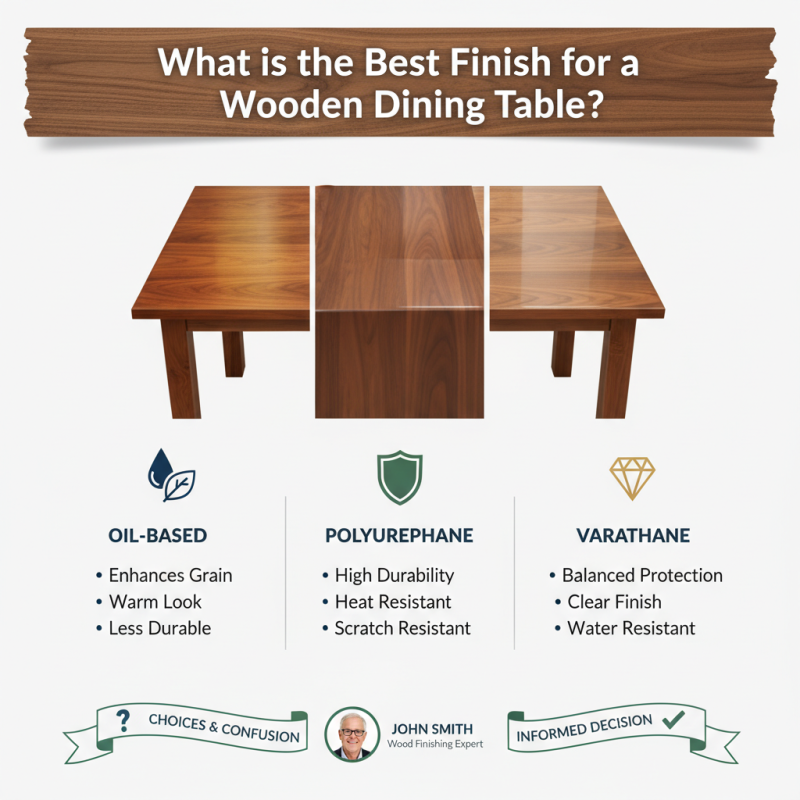
Choosing the right finish for a wooden dining table can greatly affect its appearance and durability. According to John Smith, a renowned wood finishing expert, “The best finish enhances the grain and protects the wood for years.” But what is the best finish for a wooden dining table?

Factors such as wood type, usage, and personal taste play a significant role in this decision. A dining table endures daily wear and tear. Thus, its finish must withstand stains, heat, and moisture. Many homeowners struggle to find the right option, often navigating through countless products. Some finishes provide a rich, warm look but might lack durability. Others are tough but can leave the wood looking dull.

The pursuit of the ideal finish is filled with choices and confusion. Varathane, polyurethane, and oil-based finishes all offer unique benefits. Some might leave you satisfied, but others can lead to regret. Make informed decisions and consider how you want your table to look and perform over time.
What is the Best Finish for a Wooden Dining Table?

Factors to Consider When Choosing a Finish for Wooden Dining Tables

When selecting a finish for a wooden dining table, several factors come into play. The choice affects not just aesthetics but durability and maintenance. A survey by the American Woodworking Institute indicates that nearly 70% of consumers prioritize easy cleaning when choosing a finish. This means finishes that are resistant to stains and scratches are highly favored.

The type of wood is crucial as well. Hardwoods like oak and maple respond differently to various finishes compared to softer woods. A report from the Wood Products Manufacturers Association reveals that a polyurethane finish is the most popular choice due to its durability. However, it may give a plastic-like appearance that some may find unappealing. Alternatively, oil-based finishes offer a natural look but require more frequent reapplication.

Consider the climate where the table will be used. Humidity changes can affect the wood's expansion and contraction, impacting your finish. An industry analysis showed that protective finishes can reduce damage from moisture by up to 50%. However, no finish guarantees immunity to wear and tear. A thoughtful approach to selecting a finish not only enhances beauty but addresses practical concerns. Decisions should align with your lifestyle and personal preferences.

Types of Finishes for Wooden Dining Tables: Pros and Cons

When considering finishes for wooden dining tables, each type has distinct benefits and drawbacks. Oil finishes offer a natural appearance, enhancing the wood's grain. They are easy to apply and maintain but may require more frequent reapplication. With oil, spills can penetrate the surface quickly, leading to potential damage if not addressed promptly.

Polyurethane finishes provide a durable barrier, protecting the wood from scratches and stains. They are available in matte and glossy options. While polyurethane can be long-lasting, it may alter the table's natural look. This finish can also be difficult to touch up after minor damage. Varnish is another choice, offering good protection with a shiny appearance. However, it can be prone to yellowing over time.

Water-based finishes are gaining popularity. They dry quickly and are easier on the environment. Yet, they might not provide the same level of protection as oil or polyurethane. Choosing the right finish requires careful consideration of how you use your dining table. Your lifestyle and aesthetic preferences will heavily influence your decision.

Application Techniques for Different Table Finishes

When choosing a finish for a wooden dining table, it's crucial to consider application techniques. Each finish type calls for a specific method, affecting both durability and appearance. Oil finishes, for instance, require careful rubbing into the wood grain. This creates a warm glow but demands frequent reapplication. The application must be even to avoid splotches, which can diminish the table’s aesthetic appeal.

Polyurethane provides a tough, protective layer. It can be tricky to apply, especially in humid conditions. A foam brush or a lint-free cloth works best for an even application. Remember, thin layers are key; thick applications can lead to bubbles or drips. Sanding between coats ensures a smooth texture. However, it can be time-consuming, and mistakes can happen if not done correctly.

Additionally, varnish has its own quirks. It brings vivid colors to the wood, but it must be applied in controlled environments. If dust settles during drying, it can mar the finish. Each technique holds potential for both success and failure. Practicing on scrap wood first can help perfect your method. Developing a skill in these techniques enhances not just the table's longevity but also your confidence as a woodworker.

Maintenance Tips for Preserving Your Dining Table Finish

Maintenance is key to preserving the finish of your wooden dining table. Regular cleaning helps prevent dirt buildup. Use a soft cloth to wipe down the surface. Avoid harsh chemicals; they can strip the finish. According to industry reports, most finishes last between three to five years, depending on usage. Frequent exposure to food and drinks accelerates wear.

Humidity plays a crucial role in wood care. Ideal indoor humidity levels range from 30% to 50%. Excess moisture can warp wood. Conversely, low humidity can cause cracks. It’s advisable to use a humidifier in dry seasons. Additionally, apply a suitable protective wax every six months. This can enhance durability and shine.

Be mindful of heat and scratches. Coasters are essential for hot items. A study found that up to 65% of dining tables suffer from surface damage due to neglect. Something as simple as placing a hot plate can lead to permanent marks. Consider using a tablecloth during meals. Reflect on your habits; small changes can significantly impact the longevity of your dining table's finish.

What is the Best Finish for a Wooden Dining Table?

This chart illustrates different types of finishes for wooden dining tables along with their maintenance frequency, which is crucial for preserving the table's appearance and durability.

Comparing Durability and Aesthetics of Various Finishing Options

When choosing a finish for a wooden dining table, both durability and aesthetics matter. Various options exist, each with its pros and cons. Natural oils like tung or linseed offer a soft sheen and enhance wood grain. However, they require regular reapplication. Varnishes provide a tough surface, but they can create a plastic-like look if not applied correctly.

It’s important to consider how the table will be used. High-traffic areas need a more durable finish. For example, polyurethane is robust and withstands spills. Yet, it may mask the wood's natural texture, leading to a less organic appearance. A blend of finishes can sometimes achieve the right balance.

**Tips**: Always test finishes on a small, inconspicuous area first. This will help gauge how the wood reacts. Consider environmental factors too, as humidity can affect the finish over time. Remember, finishes are not permanent—try different options until you find your perfect match.

FAQS

: What are the benefits of oil finishes for wooden dining tables?

: Oil finishes enhance the wood's grain and provide a natural look. They’re simple to apply and maintain.

What are the downsides of using oil finishes?

Oil finishes may require frequent reapplication. Spills can penetrate quickly, leading to potential damage if not cleaned.

How do polyurethane finishes compare in durability?

Polyurethane finishes create a durable barrier against scratches and stains, lasting longer than oil finishes.

What should be considered when using polyurethane finishes?

Polyurethane can change the table's natural appearance and is tough to touch up after minor damage.

What is a common maintenance tip for wooden dining tables?

Use a soft cloth for regular cleaning and avoid harsh chemicals that can strip the finish.

How does humidity affect wooden dining tables?

Ideal humidity levels should be between 30% and 50%. Excess moisture can warp wood, while low humidity may cause cracks.

How often should protective wax be applied?

Applying protective wax every six months can enhance the table's durability and shine.

What precautions should be taken to prevent heat damage?

Always use coasters for hot items to prevent permanent marks on the table surface.

Why is it important to test finishes on small areas first?

Testing finishes helps understand how the wood reacts and ensures the final look meets expectations.

What are the common mistakes when choosing a finish?

Not considering usage patterns or environmental factors can lead to unsatisfactory results and faster wear.

Conclusion

When considering "what is the best finish for a wooden dining table," several factors come into play. The choice of finish impacts not only the appearance of the table but also its durability and resistance to stains and scratches. Various types of finishes, such as varnish, oil, and polyurethane, each come with their own pros and cons, influencing the overall aesthetics and longevity of the table.

Application techniques also vary depending on the chosen finish, affecting the final look and feel of the wood. To maintain the beauty and functionality of your dining table, regular maintenance is essential. Understanding the durability and aesthetic appeal of different finishing options helps guide homeowners in selecting the best finish that will suit their needs and enhance the table’s natural beauty.

Amelia

Amelia

Amelia is a seasoned marketing professional with a wealth of expertise in our company’s core offerings. With an unwavering passion for driving growth and innovation, she plays a pivotal role in shaping our marketing strategies and enhancing brand visibility. A key aspect of her responsibilities......