Choosing furniture for a greener home involves more than selecting a light-colored wood. The real question is: What are the eco-friendly options for wooden furniture? Responsible choices consider the tree’s origin, manufacturing process, finish, lifespan, and final disposal. A beautiful table may still carry hidden environmental costs if its wood is poorly sourced or its surface releases harmful chemicals.
William McDonough, a leading architect and circular-design advocate, said, “Waste equals food.” This idea encourages furniture buyers to view materials as valuable resources, not temporary products. In practice, that means choosing FSC-certified or reclaimed wood, recycled timber, bamboo, and durable pieces designed for repair. It also means checking whether glues, stains, and finishes have low emissions. A solid oak chair with visible joinery can often be repaired for decades. A cheap composite cabinet may fail after one move.
This guide explores seven eco-friendly wooden furniture options, including reclaimed wood tables, certified hardwood seating, bamboo storage, and modular designs. Each option has strengths and weaknesses. Bamboo grows quickly, but transportation and adhesives still matter. Reclaimed wood saves resources, yet its history may be difficult to verify. No choice is perfect.
That uncertainty deserves attention. I have seen furniture marketed as “natural” while hiding plastic-heavy coatings and unclear sourcing. Labels help, but careful questions help more. Look for transparent suppliers, repairable construction, water-based finishes, and realistic durability claims. The most sustainable piece is often the one you keep, maintain, and use every day.
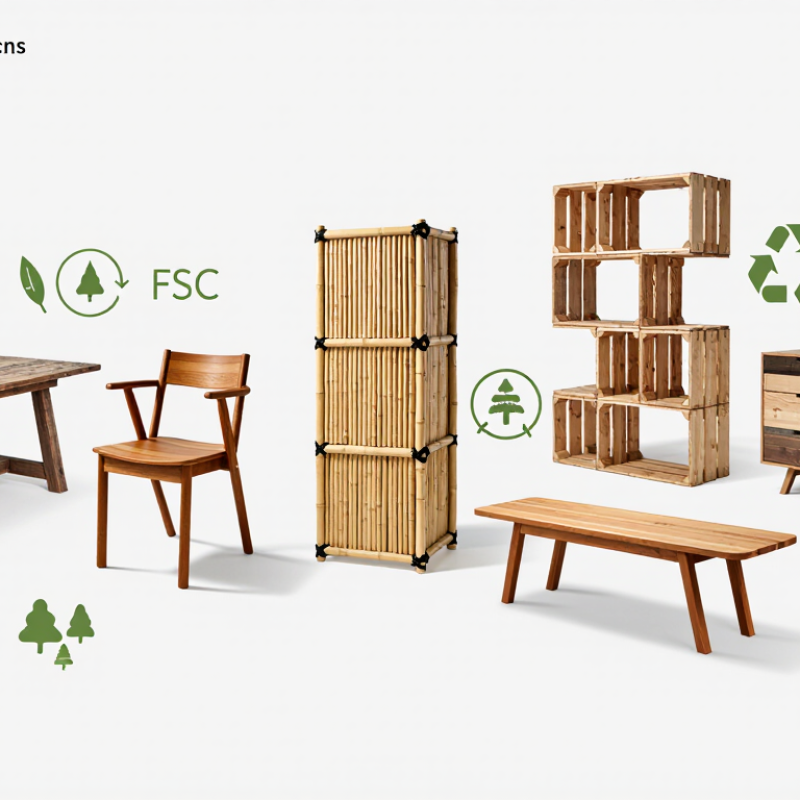
A wooden chair is not automatically eco-friendly. Its environmental value depends on the wood’s origin, construction, finish, and lifespan. The FAO Global Forest Resources Assessment 2020 reported that forests declined by about 178 million hectares between 1990 and 2020. Responsible sourcing therefore matters. Look for documented legal harvesting, recycled timber, or credible third-party forest certification. Solid wood can last for decades, especially when joints are repairable instead of permanently glued. That reduces replacement waste.
Production details also shape the answer. Choose furniture made with water-based finishes and low-emission adhesives. These choices can reduce indoor air pollutants, although “non-toxic” claims still require careful checking. Reclaimed wood may save valuable resources, but it needs inspection for pests, treatments, and hidden damage. The UN Environment Programme’s Global Resources Outlook 2024 states that global material extraction has tripled since 1970. Furniture should use fewer materials without becoming fragile. I once preferred the heaviest table, but weight alone proved a poor measure of quality.
Tips: Ask where the wood was harvested and how it was dried. Check whether the finish has clear emissions information. Prefer replaceable screws, standard hardware, and accessible surfaces. Measure your room before buying; unwanted furniture often becomes waste quickly. Local production may reduce transport, but it is not automatically greener. Compare the full product story, not one attractive label. Slightly imperfect wood can be a better choice when it remains strong, repairable, and honestly described.
7 Best Eco Friendly Wooden Furniture Options?
Seven Sustainable Wooden Furniture Options for Different Spaces
Furniture choices can reduce pressure on forests, although no material is impact-free. UNEP’s Global Resources Outlook 2024 reports that global resource extraction has tripled over five decades. The report also warns that extraction could rise another 60% by 2060. Choosing durable furniture matters.
A reclaimed oak dining table suits busy dining rooms and preserves visible nail marks. An FSC-certified solid-wood bed offers long service in a bedroom. Bamboo shelving works well in compact offices, but buyers should check adhesives and certification. Rubberwood stools can support kitchen islands because they reuse trees from latex production. A locally sourced pine desk reduces transport distance, though local origin alone proves little. Modular plywood storage fits children’s rooms and adapts as needs change. A second-hand wooden dresser gives hallways character without requiring new timber. FAO’s Global Forest Resources Assessment 2020 recorded approximately 420 million hectares of forest lost since 1990. Reuse cannot solve everything, but it prevents one more replacement purchase.
Tips: Look for FSC documentation, recycled content, repairable joints, and water-based finishes. Ask where the timber was harvested. Avoid vague claims such as “natural” or “green.” Check screw connections before buying. A beautiful chair with weak joints becomes waste quickly. My own preference is imperfect reclaimed wood; scratches show use, not failure. Still, reclaimed pieces need inspection for pests, coatings, and structural damage.
Material hardness is a practical indicator of how well furniture may resist dents and wear. The chart uses representative Janka hardness values in pounds-force (lbf); higher values generally indicate a harder, more durable surface.
Reclaimed wood can reduce demand for new timber, while bamboo and cork are rapidly renewable materials. For the lowest environmental impact, also consider reclaimed or responsibly certified wood, durable construction, low-VOC finishes, and long-term repairability.
7 Best Eco Friendly Wooden Furniture Options?
How to Evaluate Wood Sources, Finishes, and Manufacturing
Eco-friendly furniture begins with the wood’s journey. Reclaimed oak, ash, maple, walnut, bamboo, rubberwood, and cork can all reduce pressure on forests when sourced responsibly. Look for clear harvesting information, recycled content, or credible forest certification. A vague “natural wood” label proves very little. Ask where the timber grew, how it was dried, and whether workers received fair protection. Small details matter.
Finishes deserve equal attention. Water-based coatings usually release fewer harmful fumes than high-solvent finishes, but “non-toxic” still needs evidence. Check technical sheets for volatile organic compound levels and curing instructions. Run your fingers across a tabletop. It should feel smooth, not sticky or heavily scented. Natural oils can be repairable, although they may require more frequent care. That trade-off is easy to overlook.
Manufacturing often decides whether sustainable materials remain sustainable. Durable joinery, replaceable hardware, and repairable surfaces extend a chair’s useful life. Examine screws, drawer runners, and the underside, where rushed work often shows. Flat-pack shipping can reduce transport volume, yet thin components may fail sooner. I have found that attractive grain sometimes hides weak edge joints. That is worth questioning. Choose pieces designed for disassembly, because glue-heavy construction complicates future repairs and recycling.
| Furniture Option | Recommended Wood Source | Why It Is a Responsible Choice | Preferred Finish | Lower-Impact Manufacturing Features | Durability and Maintenance | Overall Evaluation |
|---|---|---|---|---|---|---|
| 1. Solid Wood Dining Table | Durably managed domestic hardwood or reclaimed timber. Look for traceable sourcing and third-party forest-management certification where available. | Solid wood can be repaired, refinished, and reused for many years. Reclaimed boards can reduce demand for newly harvested timber and keep usable material out of waste streams. | Water-based varnish, hardwax oil, or plant-based oil with disclosed ingredients and low volatile organic compound emissions. | Choose locally processed boards, efficient panel layouts, mechanical joinery, and replaceable table components. Avoid unnecessary veneers or mixed-material construction. | High durability when properly dried and joined. Clean with a damp cloth, use coasters, and renew an oil finish as recommended by the manufacturer. | Excellent |
| 2. FSC-Certified Wood Bookshelf | Wood from a verified responsibly managed forest, supported by a valid chain-of-custody claim. Solid wood or formaldehyde-controlled panels are preferable. | Verified sourcing helps reduce the risk of illegal logging and encourages protection of forest ecosystems, worker rights, and long-term forest regeneration. | Water-based clear coat or low-emission powder coating on metal elements. Confirm that adhesives and composite panels meet applicable formaldehyde-emission standards. | Flat-pack shipping, optimized cutting plans, durable fasteners, and replaceable shelves can reduce transport impacts and extend useful life. | Medium to high durability. Anchor tall units safely, prevent prolonged moisture exposure, and tighten mechanical fasteners periodically. | Excellent |
| 3. Reclaimed Wood Coffee Table | Recovered beams, flooring, barn boards, or other post-use timber with documented origin and inspection for pests, contamination, and structural damage. | Reuses existing material and can avoid some impacts associated with harvesting, drying, and processing new timber. Its environmental benefit depends on genuine recovery rather than newly distressed wood. | Low-VOC water-based finish, hardwax oil, or a repairable natural oil. Avoid finishes that make future sanding or recycling difficult. | Manual repair, limited machining, local fabrication, and designs that retain visible material character can reduce processing and waste. | Variable durability depending on the timber's previous use. Inspect joints and surfaces regularly; repair rather than replace when possible. | Very Good |
| 4. Bamboo Storage Cabinet | Rapidly renewable bamboo from a transparent supply chain, preferably with information about cultivation, adhesive type, and processing location. | Bamboo regrows from established root systems and can produce usable culms relatively quickly. However, laminated bamboo uses adhesives and energy-intensive processing, so sourcing and emissions matter. | Water-based coating with disclosed emissions data. Select products with low-emission adhesives and avoid strong persistent odors. | Efficient panel cutting, formaldehyde-controlled composite construction, durable hinges, and replaceable hardware improve the product's environmental performance. | Medium durability. Keep dry, protect edges from standing water, and use mild cleaners to preserve the surface coating. | Very Good |
| 5. Reclaimed or Recycled Wood-Panel Desk | Panels containing recovered wood fibers or recycled timber, with clear information about resin content, recycled percentage, and formaldehyde emissions. | Uses smaller wood fibers efficiently and may reduce reliance on newly milled solid timber. The environmental advantage is strongest when the panel is durable and made with low-emission binders. | Water-based laminate, natural veneer with a repairable coating, or a low-VOC finish. Avoid excessive plastic laminates when easy disassembly is important. | Computerized cutting can optimize material use; knock-down joinery, replaceable legs, and recyclable hardware support repair and disassembly. | Medium durability. Protect edges and fastener points from moisture and heavy impact; choose thicker, well-supported panels for work surfaces. | Good to Very Good |
| 6. Solid Wood Bed Frame | Traceable plantation-grown or responsibly managed wood, ideally from a regional source. Avoid tropical timber without credible legality and sustainability documentation. | A bed frame is a long-use product, so robust construction can prevent frequent replacement. Solid components can generally be repaired, refinished, and separated more easily than composite assemblies. | Low-VOC water-based finish, natural oil, or unfinished wood treated according to indoor-use requirements. | Bolted or doweled joints, replaceable slats, minimal mixed materials, and designs that can be disassembled for moving or repair reduce waste over the product's life. | High durability when joints are well engineered. Check bolts and slats periodically, maintain stable indoor humidity, and replace individual parts instead of the full frame. | Excellent |
| 7. Reclaimed or Responsibly Sourced Wood Storage Bench | Reclaimed timber or locally sourced certified wood with verified origin. For upholstered versions, choose durable, replaceable fabric and responsibly sourced filling where possible. | Combines useful storage with seating, potentially replacing two separate products. A repairable frame and replaceable cushion can significantly extend service life. | Hardwax oil, water-based lacquer, or low-VOC finish. Select removable upholstery covers rather than permanently bonded fabrics. | Simple joinery, mechanical fasteners, modular storage components, and locally repairable upholstery reduce material waste and improve longevity. | Medium to high durability. Keep the frame dry, clean spills promptly, and replace hinges, cushion covers, or fasteners as needed. | Very Good |
| Evaluation guide: Prioritize documented wood origin, legal and responsible harvesting, low-emission finishes and adhesives, durable joinery, repairability, minimal mixed materials, and a realistic end-of-life plan. Certification can support verification, but it should be considered together with product construction, transport distance, expected service life, and maintenance requirements. | ||||||
Choosing eco-friendly wooden furniture means examining its whole life, not just the forest label. Reclaimed oak and salvaged timber reuse existing material, reducing demand for new logs. Certified solid wood can last decades when its source is traceable. Bamboo grows quickly, but adhesives and transport still affect its footprint. Rubberwood uses trees after latex production. Acacia offers hardness for tables, while cork-based panels suit lightweight storage. Each option has trade-offs. Green is never automatic.
Durability depends more on construction than species alone. Look for tight joinery, stable grain, replaceable hardware, and thick panels. These details help resist warping and daily stress. Wipe spills quickly and keep furniture away from radiators. Use a soft cloth, mild soap, and limited water. Re-oil unfinished surfaces only when they look dry. Over-finishing can create unnecessary chemical use. I have seen beautiful reclaimed boards fail because trapped moisture was ignored. That is a useful warning.
A lower-impact piece should be repairable, adaptable, and eventually recyclable or safely repurposed. Choose mechanical fasteners over permanent composites where practical. Ask whether the finish can be renewed without stripping the whole surface. A chair used for thirty years usually beats a cheap replacement cycle. Yet longevity claims need evidence. Check care instructions, material percentages, and forestry documentation. Local production may reduce transport, but not always. Kiln drying, packaging, and return journeys matter too.
Choosing eco-friendly furniture starts with the wood, not the appearance. Reclaimed wood can reduce demand for new timber and add visible history to a room. Certified solid wood offers durability when forests are managed responsibly. Bamboo grows quickly, but its adhesive and transport distance still deserve attention. Cork-based pieces feel light and warm, although they may suit fewer furniture designs.
Rubberwood is another practical choice because it often uses trees after their latex production ends. Local hardwood can lower transport emissions, but local does not always mean sustainably harvested. Engineered wood may conserve resources when it contains recycled fibers. Check its formaldehyde emissions and avoid damaged surfaces with strong chemical odors. Seven options can still create seven different environmental impacts.
Inspect the joints, underside, and finish before buying. Screwed or doweled joints are usually easier to repair than heavy glue-only construction. Look for clear wood origins, independent forest certification, and water-based finishes. Ask whether replacement parts or refinishing are possible. A sturdy table that lasts fifteen years may be greener than a fashionable piece replaced twice. Measure your room carefully, too; returning bulky furniture creates unnecessary transport. I sometimes focus too much on certification and forget daily use. A chair that looks sustainable but feels uncomfortable may become waste. Choose pieces you will genuinely keep.
Durable furniture can reduce replacement purchases and pressure on forests. Extraction has grown sharply worldwide. Longevity still needs evidence.
Reclaimed oak reuses existing timber and may show nail marks or scratches. Inspect for pests, old coatings, moisture, and structural damage.
Choose traceable solid wood with strong joints and replaceable hardware. Ask for forestry certification documents. Check the frame carefully.
Not automatically. Bamboo grows quickly, but adhesives, transport, and surface treatments affect its impact. Check material details.
Rubberwood can reuse trees after latex production. Choose stools with stable joints and a durable, repairable finish.
Bamboo shelving or compact modular storage can save floor space. Avoid vague green claims. Check adhesives and panel composition.
Wipe spills quickly with a soft cloth, mild soap, and limited water. Keep pieces away from radiators. Re-oil only dry surfaces.
Look for tight joinery, stable grain, thick panels, and mechanical fasteners. Loose screws are warning signs. Check the joints.
Local production may reduce transport, but packaging, kiln drying, and returns also matter. Local origin alone proves little.
Yes, it avoids a new timber purchase and can add character to a hallway. Inspect odors, pests, coatings, and hidden damage. My judgment can be imperfect.
Choosing sustainable wooden furniture begins with understanding what makes it environmentally responsible. The best options typically use certified, reclaimed, recycled, or rapidly renewable wood, along with low-toxicity finishes and efficient manufacturing methods. This guide explores seven eco-friendly choices for different spaces, including solid wood essentials, reclaimed pieces, modular designs, and compact furniture made for long-term use. It also explains how to evaluate wood sources, adhesives, finishes, and production standards before making a purchase.
The article considers the complete environmental life cycle of furniture, from responsible harvesting and manufacturing to maintenance, repair, reuse, and eventual recycling. Durable construction is important because furniture that lasts longer reduces waste and the need for replacement. By comparing material origins, craftsmanship, finish safety, versatility, and care requirements, homeowners can make more thoughtful decisions. If you are asking, “What are the eco-friendly options for wooden furniture,” this overview provides practical guidance for selecting attractive, durable, and lower-impact pieces for every room.

Arico Home