What is the lifespan of custom woodworks? The honest answer depends on where the piece lives, how it was built, and how it is cared for. A solid-wood dining table in a dry room may serve a family for decades. An outdoor bench facing rain and strong sun may need refinishing much sooner. “Custom” describes how an item is made; it does not guarantee a longer life.
Wood durability researcher Robert J. Ross emphasizes a useful principle: a wood product’s service life depends on its material, exposure, and protection. That is more practical than promising one number for every cabinet, door, or heirloom table. Species matters, but so do tight joinery, sealed end grain, and a finish suited to the setting. A damp corner under a sink can quietly damage even beautiful work. Small details count.
This guide looks at realistic lifespan expectations for custom woodworks in 2026, including indoor furniture, cabinetry, and outdoor pieces. It also explains how craftsmanship, climate, cleaning habits, and timely repairs affect longevity. Look closely at the feet, seams, and finish. They often tell the story first. No finish lasts forever, and even careful owners miss a maintenance season now and then. That is worth admitting. With sound construction and sensible care, many custom pieces can remain useful for generations, though their appearance may change along the way.
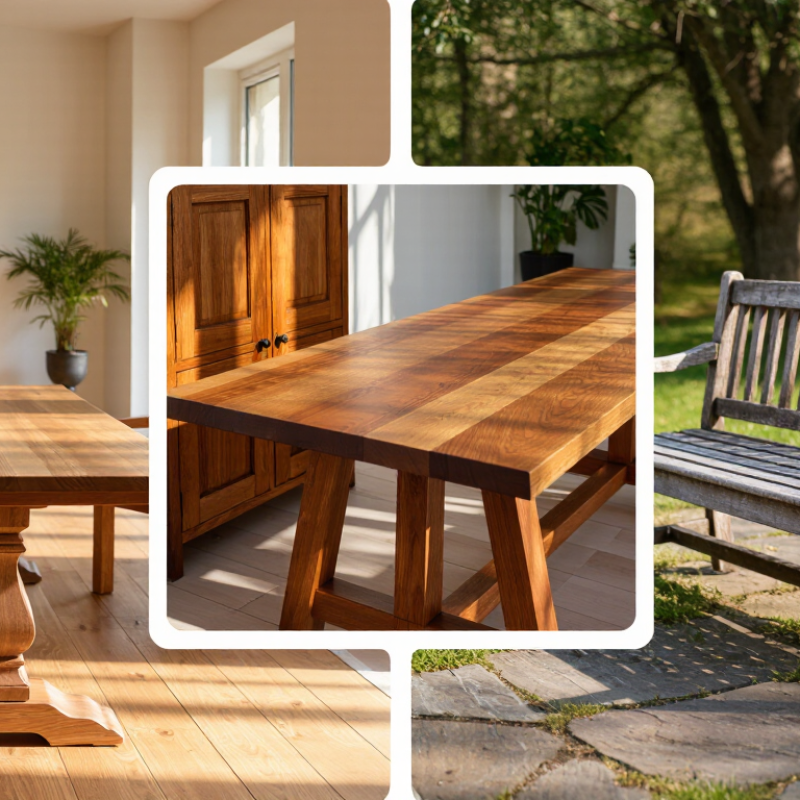
What Lifespan Means for Custom Woodwork in 2026
In 2026, lifespan means more than the number of years a cabinet or built-in remains standing. It includes how well doors close, finishes resist wear, and joints stay tight through daily use. A walnut desk in a dry study faces different demands from a painted vanity beside a steamy shower. There is no universal service-life guarantee. A useful benchmark, not a promise.
The National Association of Home Builders’ 2007 life-expectancy study estimated about 50 years for kitchen cabinets and 100 years for hardwood floors. These are broad home-component estimates, not tests of every custom project. The USDA Forest Products Laboratory’s Wood Handbook explains how moisture and decay affect wood. That guidance matters: persistent dampness around a sink or window can shorten service life, even when the joinery is excellent. Small repairs matter. So does ventilation.
Tips: Keep indoor woodwork dry, wipe standing water promptly, and inspect joints near plumbing each year. Ask your woodworker about the wood species, finish, and repair options. A scratch may need only touch-up; swollen panels may point to a moisture problem. Honestly, lifespan estimates can feel reassuring, but maintenance and room conditions often decide what happens next.
Custom woodwork can last for decades, but its lifespan depends on material, construction, location, and care. Kitchen cabinets commonly serve for 20 to 50 years. Solid wood doors often last 30 years or longer when kept dry and maintained. Built-in bookcases and wardrobes may remain useful for 20 to 40 years, though shelves can sag under heavy loads. Good joinery matters.
Stair railings, interior trim, and window casings can last 30 years or more indoors. Furniture lifespan varies widely: a well-made dining table may serve several generations, while a frequently used desk may show wear sooner. These ranges are estimates, not guarantees. Sunlight can fade finishes, and small leaks may swell wood around joints before damage is obvious. I have seen careful cleaning help, but it cannot undo poor construction.
Check joints, hinges, and finish every year or two. Tighten loose hardware and repair chipped coatings before moisture reaches the wood. Avoid standing water and harsh cleaners; a soft cloth is usually enough. Some wear is normal. A scratched tabletop may still be structurally sound, and refinishing can extend its useful life. The honest measure is not appearance alone, but whether the piece remains safe, stable, and suited to daily use.
Typical service-life estimates for common custom woodwork. Actual lifespan depends on materials, construction quality, installation, moisture exposure, maintenance, and everyday use.
| Custom Woodwork | Typical Lifespan | Main Factors Affecting Longevity | Maintenance Guidance |
|---|---|---|---|
| Solid-wood kitchen cabinets | 20–50+ years | Wood species, joinery, hardware quality, humidity, and frequency of use | Wipe spills promptly, adjust or replace worn hardware, and keep indoor humidity reasonably stable. |
| Painted MDF cabinets | 10–20 years | Panel quality, edge sealing, water exposure, and finish condition | Protect edges and joints from standing water; repair chipped paint before moisture reaches the panel. |
| Solid-wood interior doors | 30–100 years | Core construction, hinge and latch wear, temperature changes, and physical damage | Tighten hardware as needed and maintain the finish, especially on door edges and high-contact areas. |
| Wood flooring | 30–100 years | Wear layer thickness, foot traffic, water exposure, and number of refinishing cycles | Use protective pads, clean with suitable products, and address leaks quickly. Refinishing may extend useful life. |
| Built-in bookcases and shelving | 20–50+ years | Material, span and support design, load, wall attachment, and moisture | Avoid overloading shelves; check fixings and support points if shelves begin to sag or loosen. |
| Interior trim and moulding | 30–100 years | Solid wood versus composite material, impact damage, and moisture near floors or windows | Touch up damaged paint or sealant and investigate recurring dampness rather than covering it. |
| Wood staircases and stair parts | 50–100 years | Structural design, wood condition, joint integrity, traffic, and maintenance | Address loose treads, squeaks, or handrail movement promptly; refresh worn protective finishes. |
| Exterior wood trim | 20–50 years | Species, exposure to sun and rain, drainage, paint or stain condition, and installation details | Inspect regularly, keep joints sealed, maintain the coating, and ensure water can drain away from the wood. |
| Exterior wood shutters | 10–30 years | Weather exposure, paint or stain protection, hardware, and ventilation behind the shutters | Check finishes and fasteners periodically; repair coating failures and replace corroded hardware. |
| Wood countertops | 10–30 years | Water and heat exposure, finish type, cutting or impact damage, and maintenance routine | Keep the surface dry, use cutting boards and trivets, and renew the appropriate food-safe finish as needed. |
How to read these ranges: They are broad planning estimates, not guarantees. Well-built, well-maintained woodwork in a dry, stable environment can last beyond the upper end; persistent moisture, neglected finishes, or heavy wear can shorten service life.
Custom woodwork rarely has one dependable lifespan; species, joinery, finish, and room conditions all matter. A solid-oak stair rail in a dry hallway faces different risks from a painted-pine vanity beside a shower. The USDA Forest Products Laboratory’s 2021 Wood Handbook reports equilibrium moisture content near 12% at 70°F and 65% relative humidity. Not a promise. Repeated wetting, plumbing leaks, or wide humidity swings can loosen joints and lift finishes.
Material choice sets the baseline. Heartwood often resists decay better than sapwood, though resistance varies by species. The handbook also explains how grain direction and moisture movement affect stability. Good craftsmanship accounts for that movement: wide panels need room to expand, end grain needs sealing, and drawers should run square. Small details matter.
Exposure changes the answer. The American Wood Protection Association’s Use Category system distinguishes dry interior use from wet and ground-contact exposures; it does not assign every project a fixed service life. In practice, a kitchen cabinet may last for decades with dry interiors and sound joints, while a neglected exterior bench can deteriorate much sooner. Inspect finish edges and joints annually. A tiny leak is easy to miss. Refinishing helps, but it cannot undo rot or poorly supported joinery.
Estimated service life varies with material, craftsmanship, use, and exposure to moisture and sunlight.
Bars show the midpoint of each typical lifespan range. Solid hardwood furniture is shown at 40 years (range: 30–50); solid softwood furniture at 22.5 years (15–30); cabinet-grade plywood at 20 years (15–25); MDF in dry interiors at 15 years (10–20); cedar exterior joinery at 20 years (15–25); and teak outdoor furniture at 37.5 years (25–50). These are broad estimates, not guarantees. Sound joinery, protective finishes, appropriate installation, routine maintenance, and keeping wood dry can extend service life; poor workmanship, water exposure, and strong sunlight can shorten it.
Custom woodwork can serve for decades, but its condition depends on the finish, construction, room conditions, and daily care.
Dust with a soft, dry cloth before grit gets rubbed into the surface. Wipe spills promptly, especially near joints and edges. Water left around a sink or window can darken wood or weaken a finish. Small habits matter.
Tips
Use coasters and felt pads beneath lamps, planters, and heavy objects. Keep wood away from prolonged direct sunlight and sudden humidity changes where possible. For cleaning, follow the maker’s care guidance; avoid abrasive pads and all-purpose sprays unless the finish is known to tolerate them. Test any new product in a hidden spot. That step is easy to skip, but worth doing.
Check doors, drawers, and exposed edges a couple of times each year. Tighten loose hardware gently, and note cracks, lifted veneer, or finish that feels tacky. Minor wear may only need careful cleaning, while deeper damage may call for a skilled repair. Don’t sand or apply oil by guesswork; some finishes need different treatment. Even a good routine slips now and then. Return to it before dust, moisture, or sunlight leaves lasting marks.
Custom woodwork rarely fails all at once. Watch for soft spots, swollen edges, loose joints, peeling finish, or doors that suddenly stick. A dull surface may only need cleaning and refinishing. Probe suspicious areas gently; wood that feels spongy or crumbles deserves closer inspection. Look closely.
Moisture often drives serious damage. The USDA Forest Products Laboratory’s Wood Handbook, FPL-GTR-282, explains that decay fungi generally need wood moisture above roughly 20 percent. A small, inexpensive moisture meter can help check areas near sinks, windows, exterior doors, and floor edges. One reading is not a diagnosis. Check again after rain or plumbing leaks, and inspect for staining, musty odors, and recurring dampness.
Repair is usually sensible when damage is limited to one joint, a small patch, or a worn finish, and the surrounding wood remains firm. Replace a section when decay is widespread, fasteners no longer hold, or repeated repairs have not stopped movement. Get a qualified woodworker to assess structural trim or built-ins before removing them. Sometimes an awkward repair is still the right one; matching old grain and profiles can be difficult, and replacement may not solve the moisture problem. Fix the source, too.
Well-made cabinets often serve for 20 to 50 years. Dry interiors and firm joints help. That range is not a promise.
Solid wood doors can last 30 years or longer when kept dry and maintained. Check the lower edges for swelling.
Material, joinery, finish, room conditions, and care all matter. A dry hallway is gentler than a damp bathroom.
Check joints, hinges, and finish every year or two. Look for loose hardware, chipped coatings, and tiny stains.
Watch for swollen edges, soft spots, peeling finish, or a musty smell. Wood that feels spongy needs closer inspection.
Refinishing can improve worn surfaces and extend useful life. It cannot repair rot or weak joinery. A fresh finish can hide trouble, too.
Repair often makes sense when damage is limited and surrounding wood remains firm. A loose joint or small worn patch may be fixable.
Consider replacement when decay is widespread, fasteners no longer hold, or repeated repairs fail. Fix the moisture source as well. Otherwise, the damage may return.
What is the lifespan of custom woodworks? It depends on the type of piece, the materials used, the quality of construction, and the conditions it faces. Well-made indoor cabinetry and furniture can often serve for decades, while outdoor woodwork may need more frequent care because of moisture, sunlight, and temperature changes. Solid, suitable materials and careful joinery can improve durability, but even excellent craftsmanship cannot fully compensate for neglect or harsh conditions.
Regular cleaning, prompt attention to spills, protective finishes, and periodic inspections can help woodwork last longer. Watch for signs such as loose joints, cracks, fading, swelling, or persistent moisture damage. Minor issues may be repaired or refinished before they worsen; replacement may be appropriate when damage is extensive or the piece is no longer safe or practical to use. With thoughtful maintenance and timely repairs, custom woodwork can remain useful and attractive for many years.

Arico Home